Lot & Land Clearing in Zachary
Zachary is the parish's northern small city - top-rated schools, a genuine Main Street, and a small-town canopy of oaks over older neighborhoods, with new subdivisions spreading at its edges.
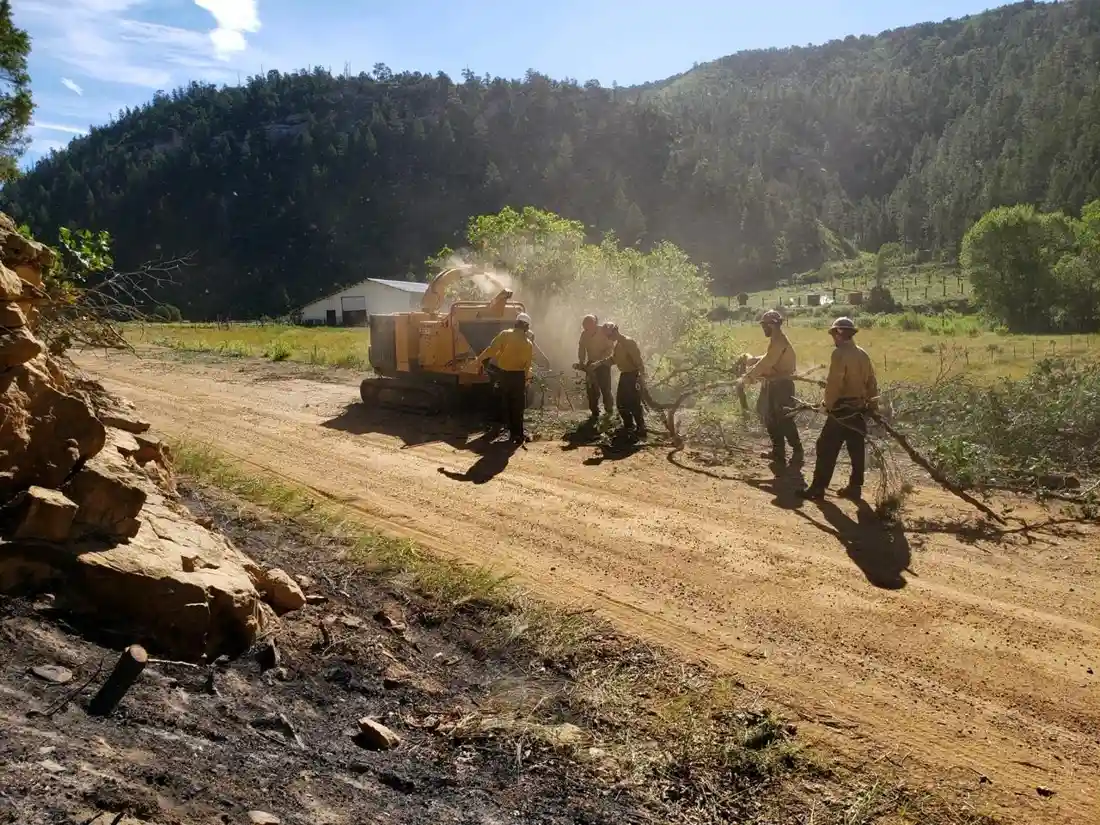
Lot and land clearing in Baton Rouge - overgrown lots, building sites and acreage cleared selectively, keeping the trees worth keeping, with stumps ground and debris hauled or mulched on site.
The ground finishes the argument. The old city sits on loess bluffs above the Mississippi - the first high ground upriver from the Gulf - while the suburbs east and south spread across flat, heavy alluvial soils that saturate in the long rains. A saturated root plate in heavy soil lets go in wind that a dry-rooted tree would shrug off, which is why the same hurricane drops trees on one street and spares the next: soil and drainage are part of every tree's real condition here.
August 2016 taught the region what its water can do. When the Amite and Comite rivers rose, Denham Springs and the eastern parishes flooded street by street - and trees that stood in water for days came out of it stressed, root-damaged and slow to show it. Flood stress, drought stress (the dry fall of 2023 killed stressed trees across the region), lightning, and construction damage all write themselves into a tree years before the tree falls. Reading that handwriting early is most of what an arborist sells.
Tallow and hackberry thickets, vines in every crown, and no line of sight across your own property - the classic in-town clearing call.
The envelope decides the non-negotiables; everything outside it is a keep-or-clear judgment that should be made tree by tree, on purpose.
Chinese tallow is the region's aggressive invader - fast, brittle and prolific. A lot where tallow is winning is a lot whose native trees are losing light by the season.
Acreage that took a hurricane's worth of windfall becomes fire risk, pest habitat and an impassable tangle until it is worked through systematically.
Surveys, fences and drainage all need daylight to maintain. Clearing to the line - carefully, with the neighbor conversation first - restores them.
Cleared and readable land appraises, insures and sells differently than a jungle with a sign on it. The clearing scope for a sale is its own specialty.
The Capital Region regrows cleared ground faster than almost anywhere in America. Gulf rain, a ten-month growing season and tallow seed in every bird means a cleared lot left alone is a thicket again in three years. Professional clearing here therefore includes the finish plan: stumps ground so they cannot resprout, debris mulched or hauled, and the ground left in a condition the owner's actual maintenance can hold.
Water shapes the work as much as vegetation. Low Baton Rouge lots hold water; heavy clearing equipment on saturated ground ruts a lot into a pond system. Timing, matting and the drainage conversation belong in every clearing scope east of the bluffs - and the trees left standing at the wet corners are often doing drainage work the new owner will miss when they are gone.
The keep-list is where local knowledge earns its fee. A live oak at a lot's back is a fifty-year head start on the landscape the buyer or builder wants; a woods-edge pine is a future windthrow claim against the new roof. Telling those apart - species, structure, exposure after clearing - is the arborist's contribution to what looks like a bulldozer's job.
Summer is the main event: hurricane season opens June 1, the afternoon thunderstorm cycle starts dropping lightning and microburst winds on the canopy, and saturated soils loosen root plates under full-leaf trees carrying their maximum wind load. Tree work in summer is triage and honesty - storm damage cleared safely, hangers and split limbs taken down before the next cell, and the deadwood and weak unions the storms exposed read as the warning they are.
Spring is Baton Rouge's growth flush: live oaks drop and replace their leaves in a few March weeks, water oaks push out the canopy that shades the summer, and everything green in the city grows at its fastest rate of the year. It is also the honest inspection season - new growth shows exactly where last year's damage lives, dead branches stand bare against the new leaves, and a tree's real structure can be read before the summer canopy hides it and the hurricane season tests it.
Fall brings the peak of hurricane season in September, then the long exhale: pecans drop, the storm-season damage list gets its proper repairs, and the year's planting and structural pruning window opens as growth slows. Baton Rouge trees pruned and read in the fall enter the wet winter with balanced crowns and clear targets; trees ignored carry every summer weakness into the season of saturated ground and frontal winds.
Clearing decisions compound for decades because the trees kept or cut are the landscape's skeleton. A building lot cleared flat and replanted starts its canopy clock at zero - thirty years to the shade a single kept live oak provides on day one. That arithmetic is why the walk-through's keep-list is the most valuable hour of the whole job, and why it should happen before the envelope is final: moving a driveway three feet to spare a heritage oak is cheap on paper and impossible after the pour.
The invasives write the other half of the story. Chinese tallow does not merely grow on a cleared lot - it re-engineers it, seeding from every bird, resprouting from every cut root, shading out the natives that would have rebuilt a real woodland. Effective clearing here is therefore ecological work: tallow removed with its roots' resprout potential addressed, the ground left in a condition - mulch, mowing, planting - that gives the keeper species the head start instead of the invader.
Choosing a clearing contractor, walk the lot together before any number is discussed, and watch whether they ask about keepers, drainage and the finish condition before they talk about machines. The contractor whose first instinct is preservation and sequence will leave you a lot; the one whose first instinct is horsepower will leave you a field and a regrowth problem.
Baton Rouge grows its trees on Gulf weather: roughly five feet of rain a year, summers that run hot and saturated from May into October, and a canopy that never really goes dormant. Live oaks, water oaks, southern magnolias, pecans, loblolly pines and bald cypress all grow fast in this climate - faster than their root systems and wood strength sometimes deserve - and a fast-grown tree in a wet climate is a standing maintenance commitment, not a one-time planting decision.
The storm record is the second fact. Hurricane Gustav made a direct hit in 2008 and put much of the city in the dark for weeks under fallen trees; Isaac, Laura, Delta and Ida each took their own pass at the canopy, and every summer the afternoon thunderstorms and lightning do smaller versions of the same work. Baton Rouge tree care is therefore storm work on a schedule: the pruning, deadwood removal and risk reading that happen in the calm months decide what the violent hours find.
Every tree is called keep, clear or judgment - with the keepers flagged and their root zones drawn before any machine moves.
Stumps ground or left, debris hauled or mulched, ground left rough or graded - the end state is written into the scope, not improvised.
Underbrush and invasives first, then the marked removals, with keeper trees protected by fencing and no-cut zones around their roots.
Stumps ground, debris resolved, keepers pruned of storm damage, and honest guidance on holding the clearing against regrowth.
Clearing well is decided at the edges - before, during and after the machines. The habits that protect the result:
The communities around Baton Rouge share its rain and its storms - with their own twists of flood ground, pine cover and heritage canopy.
Zachary is the parish's northern small city - top-rated schools, a genuine Main Street, and a small-town canopy of oaks over older neighborhoods, with new subdivisions spreading at its edges.
Baker is the parish's quiet northern city, a residential community of established neighborhoods off Plank Road and Groom Road, with Baton Rouge's industrial north at its southern edge.
Scotlandville is one of the city's oldest Black communities, wrapped around Southern University - the largest HBCU campus in the region, sitting on the bluff where Scotland Road meets the river. Heritage oaks shade both the campus and the surrounding streets.
North Baton Rouge is the city's industrial and historic working district - refinery and plant corridors along the river, and behind them some of the oldest residential streets in the parish, where maintenance backlogs and heritage canopy stand side by side.
In the intown core and the west side - Downtown Baton Rouge, Spanish Town, Beauregard Town, Garden District, Mid City and LSU & University Lakes, Southdowns, Burbank & Highland Road, Kenilworth, Goodwood - the canopy runs from Baton Rouge's oldest heritage oaks to the mature subdivision plantings, and lot & land clearing follows it: deep shade and old structure on the historic streets, storm exposure along the river side, and heritage trees that ask for arborist hands.
Across the growth sides and the east - Tara, Broadmoor, Sherwood Forest, Jefferson Terrace, Essen & Medical District, Bocage and Bluebonnet, Shenandoah, Old Jefferson, Denham Springs, Prairieville, Central - sit the postwar and newer subdivision waves, the region's heaviest water-oak cohort and its fastest-growing young canopy, which together make this the steadiest lot & land clearing territory in the metro.
Beyond the city line, the same work runs in Zachary, Baker, Scotlandville, North Baton Rouge, Port Allen, Brusly & Addis - small cities, fast-growing suburbs and flood-plain communities where wooded lots, saturated ground and storm history add their own chapters. Every one of these area pages carries the local detail for lot & land clearing in that community.
Every area we serve has its own Lot & Land Clearing page with local detail.
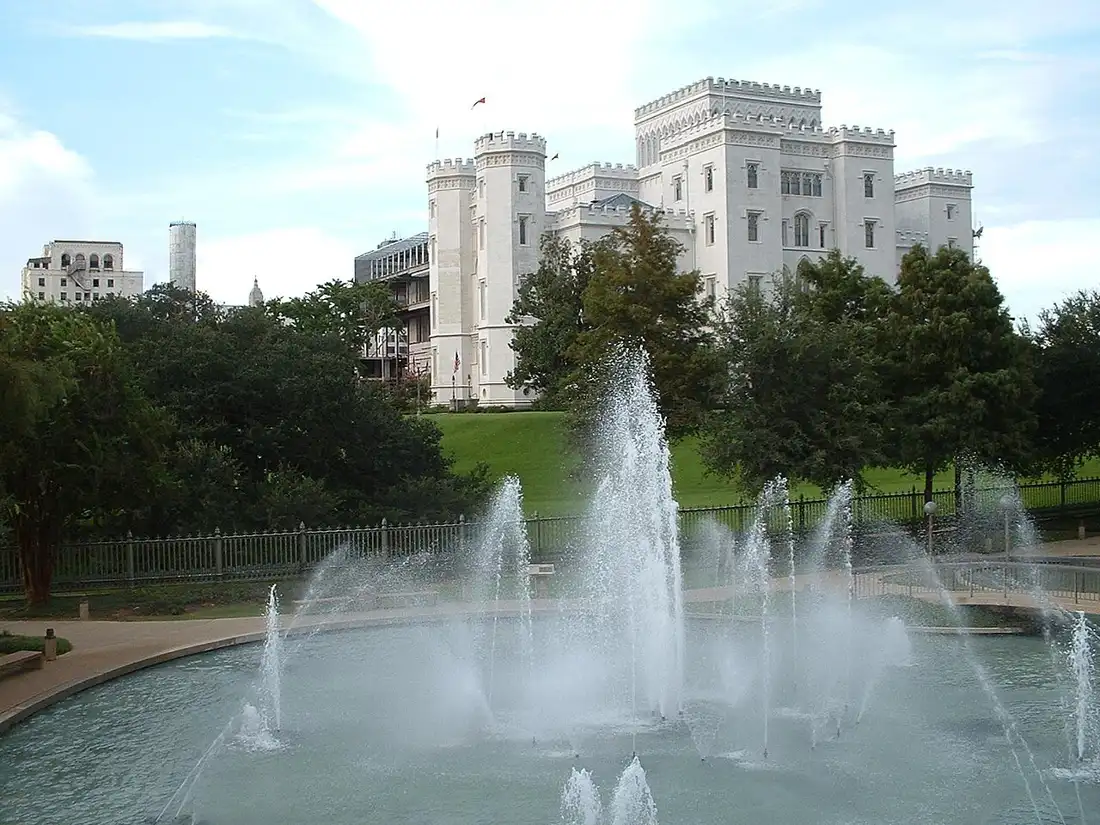 Downtown Baton Rouge
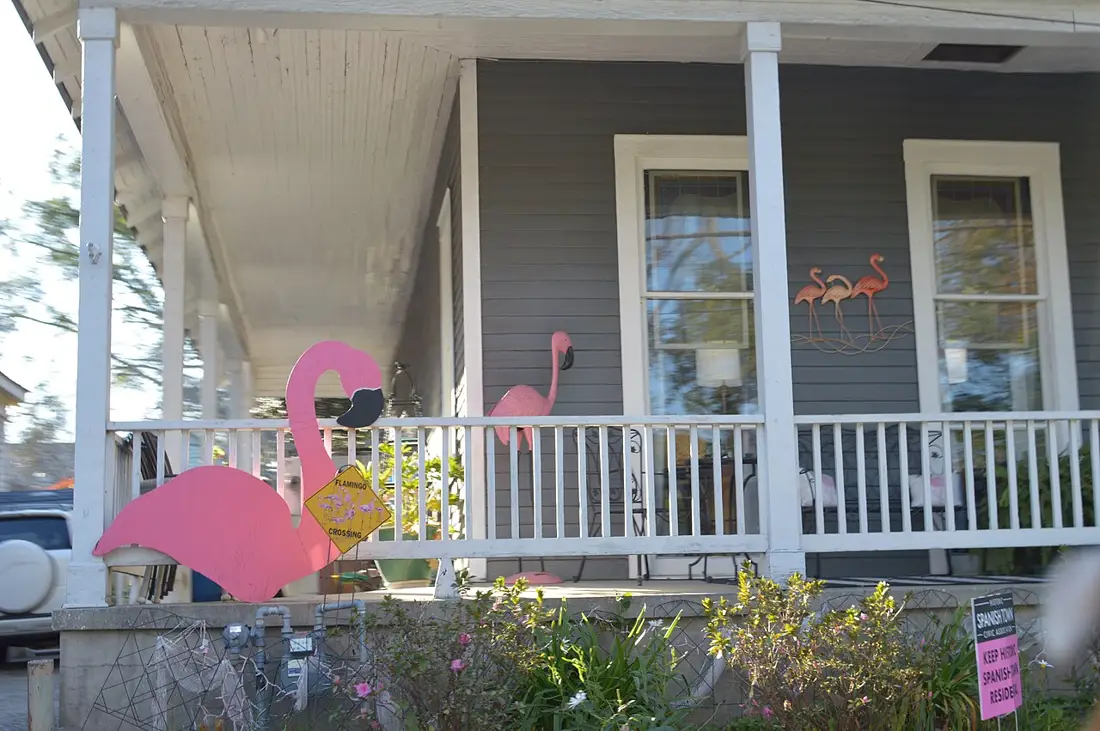 Spanish Town
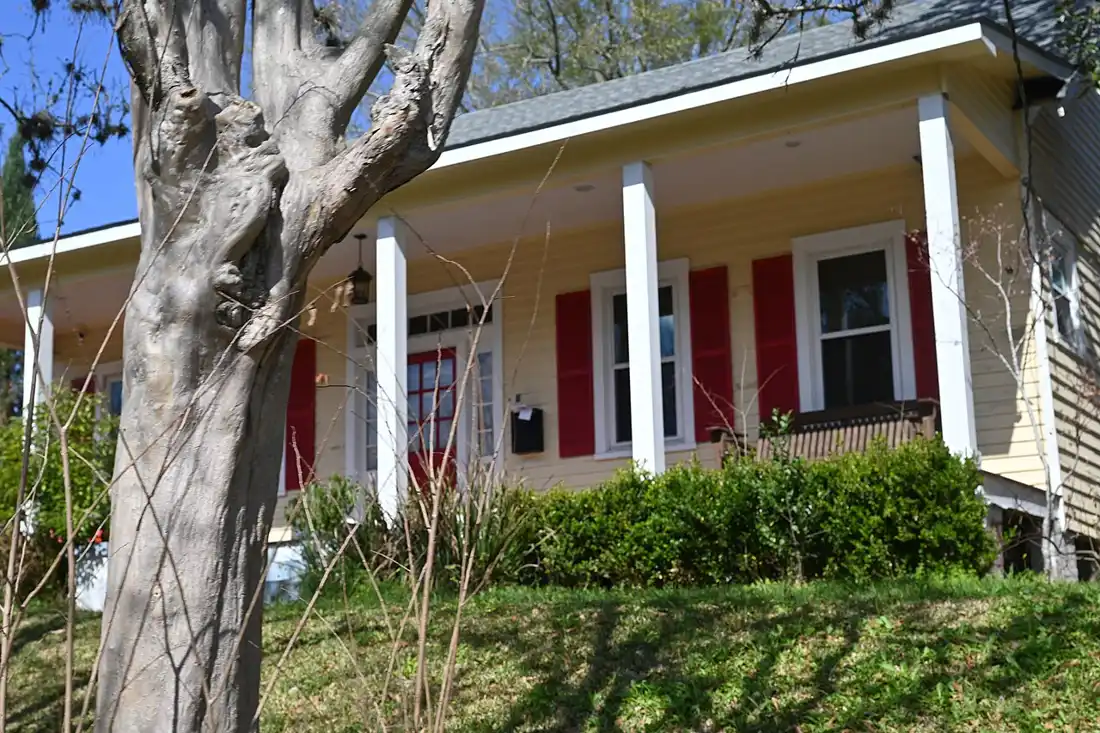 Beauregard Town
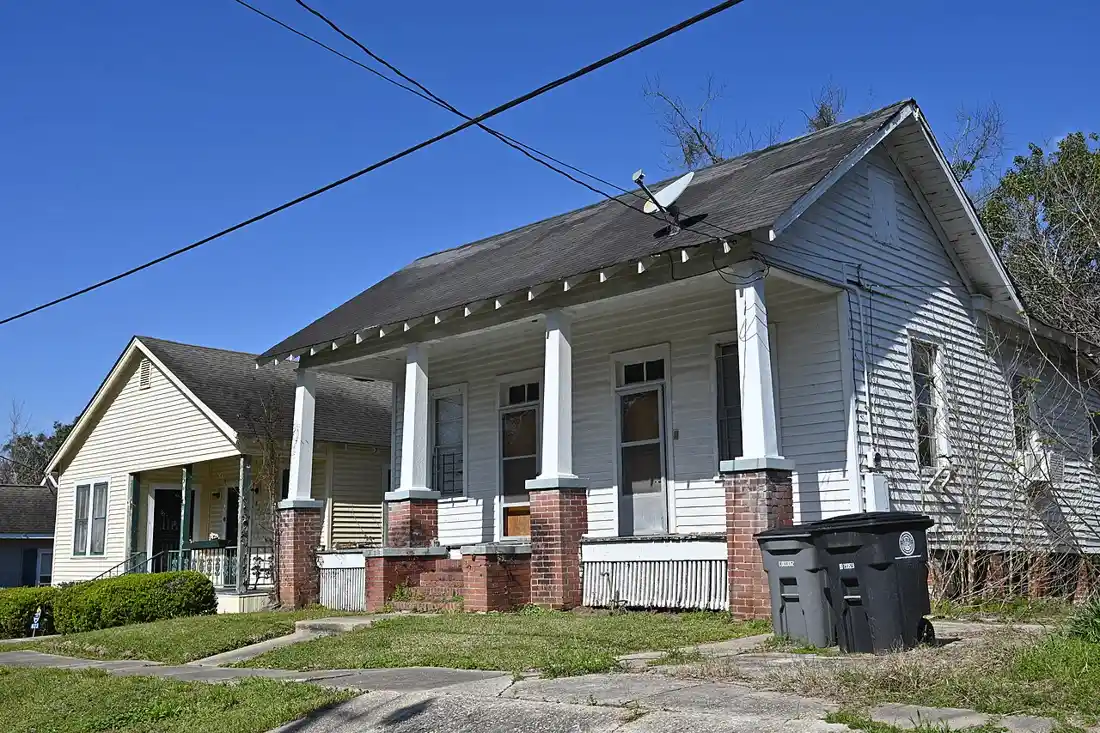 Garden District
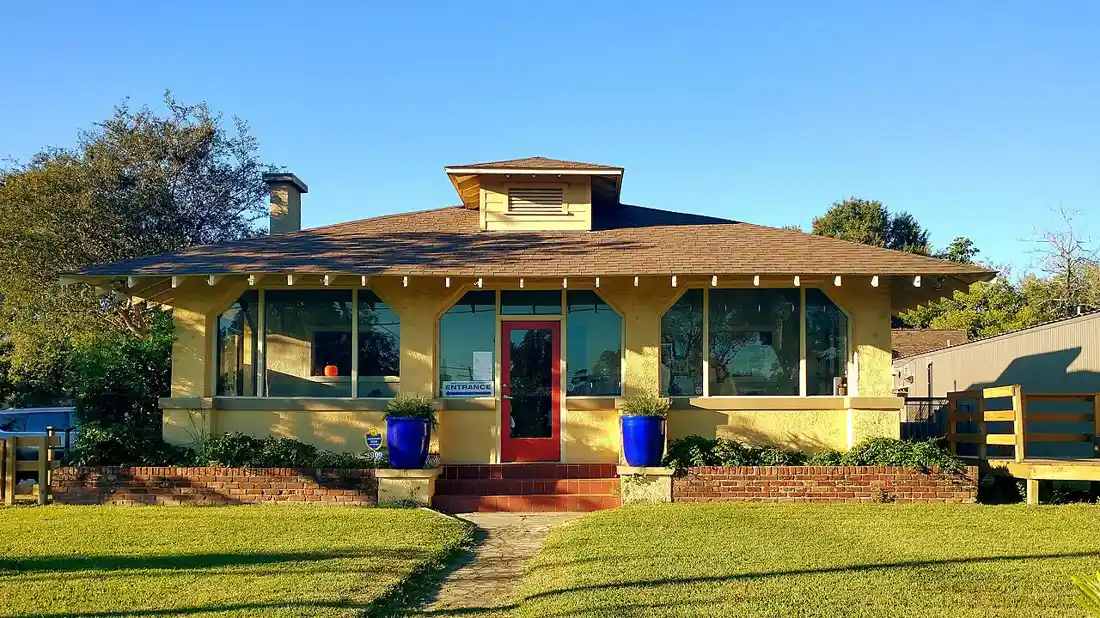 Mid City
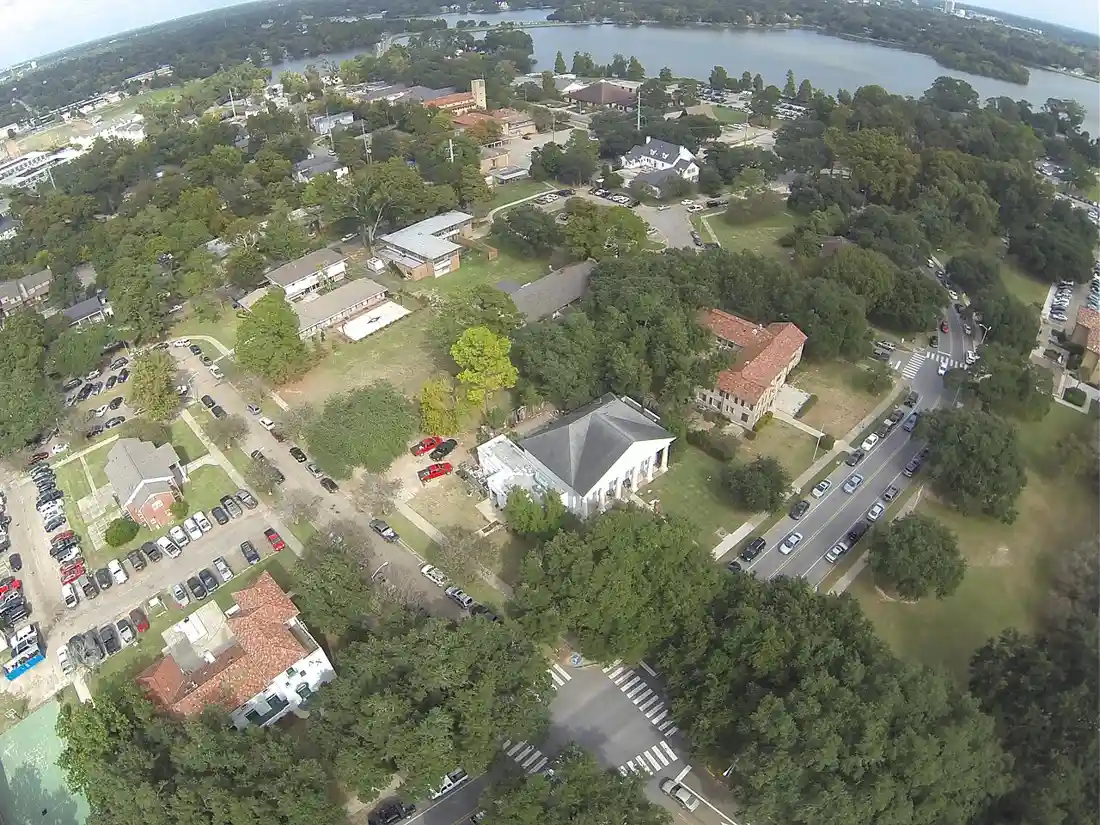 LSU & University Lakes
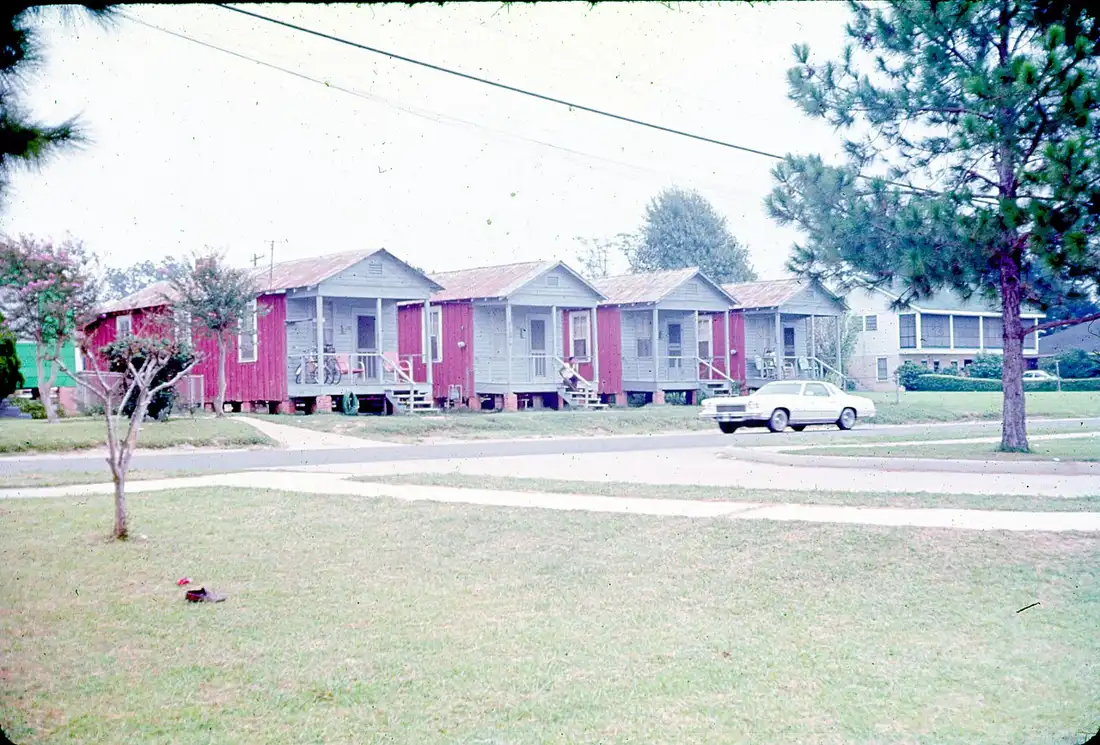 Southdowns
 Burbank & Highland Road
Lot & Land Clearing runs across the whole service map: Downtown Baton Rouge, Spanish Town, Beauregard Town, the Garden District, Mid City, LSU & the Lakes, Southdowns, Kenilworth, Goodwood and Tara; Broadmoor, Sherwood Forest, Jefferson Terrace, the Medical District, Bocage and Bluebonnet; Shenandoah and Old Jefferson to the east; and beyond in Denham Springs, Prairieville, Central, Zachary, Baker, Scotlandville, Port Allen and Brusly-Addis. One call covers all of it - the local pages above carry the detail for each. If your street is not named here, call anyway: routes grow with demand, and most East Baton Rouge, Livingston and Ascension Parish addresses are already within reach of a scheduled run.
Homeowners oscillate between ignoring tree symptoms for years and panicking over harmless ones in a weekend. Symptoms sort into three honest tiers - monitor it, book it, and clear the area now - by what they predict and how fast they move.
Read the GuideWhole neighborhoods of Baton Rouge water oaks are declining at once and owners do not know if theirs is next. Water oaks live fast and age early: heavy limbs, interior decay and short lifespans mean the 1960s plantings are in their risk years together.
Read the GuideA thinning tree might be stressed and saveable - or dying on the inside while the crown still looks passable. Read the evidence in order: crown dieback pattern, bark and trunk clues, fungal fruiting, root-zone history, and how fast the changes are moving.
Read the GuideIt depends on the parcel and the plan: building permits carry their own tree and drainage requirements, heritage oaks can be protected, wetlands rules apply on low ground, and parish and HOA rules vary. The walk-through flags the questions worth asking the parish before work starts - clearing first and asking later is the expensive order.
Fast enough to plan around: tallow and hackberry seedlings in the first season, a closed thicket in about three years without maintenance. That speed is why the finish plan - grinding, mulch, a mowing rhythm or immediate planting - is part of the clearing scope rather than an afterthought.
For underbrush, invasives and small trees it is often the right tool: one machine cuts and mulches in place, leaving a ground cover that resists erosion and regrowth. It does not replace felling and grinding for large trees, and the mulch layer it leaves changes what can be planted immediately. The walk-through matches method to lot, not habit to lot.
You decide - with the reading's evidence in front of you: species, structure, health, position relative to the plan, and how the tree's exposure changes once its neighbors are gone. A woods-edge tree that stood sheltered for decades can become the riskiest tree on the lot the day the clearing finishes. That last judgment is the one most often missed, and the most valuable one on the walk.
The building envelope, its work margins, the driveway and utility runs, and the septic or drainage footprint - plus whatever the reading flags as dangerous to the future structure. Everything beyond that is choice, and the walk-through exists to make the choice deliberately: shade and screening are worth real money when they come free with the lot.
Where the ground will be lawn, bed or building - yes, or the tallow and hackberry will replant themselves from the stumps within a season. In back acreage meant to stay rough, stumps can be left to rot on their own clock. The finish condition you choose is what decides, which is why it is agreed before the machines arrive.
Your choice, priced in the scope: hauled off entirely, chipped into mulch left on site - useful for beds and regrowth suppression - or a mix. Timber-value wood occasionally offsets a little cost on acreage, but in the metro the honest expectation is that disposal is a cost line, not a credit.
Largely, yes - with the right equipment choices, matting on soft routes, and timing that respects the wet season. Some disturbance is inherent to the work; the difference between a professional clearing and a careless one is whether the disturbance was planned, minimized and disclosed in advance.
One call connects you with a tree professional serving Baton Rouge and the surrounding Capital Region communities - removal, trimming, stump grinding, storm cleanup and arborist care.
📞 Call Now