Lot & Land Clearing in Garden District
Lot & Land Clearing for Garden District homes - local conditions, a clear process, and one call to get it started.
The Garden District pattern for this work is set by its streets - old oaks, summer storms and building eras layered block by block.
Underneath all three is the Baton Rouge ground truth: wet soil, drainage that must be designed rather than assumed, and disposal rules that make 'just burn it' the wrong answer almost everywhere in the metro. This page covers how a professional clearing is scoped, sequenced and finished - and what to ask before the machines arrive.
The Garden District, with Roseland Terrace at its heart, is Baton Rouge's showcase old neighborhood - early-1900s homes under one of the most photographed live oak canopies in Louisiana. When people picture Baton Rouge trees, they picture these streets.
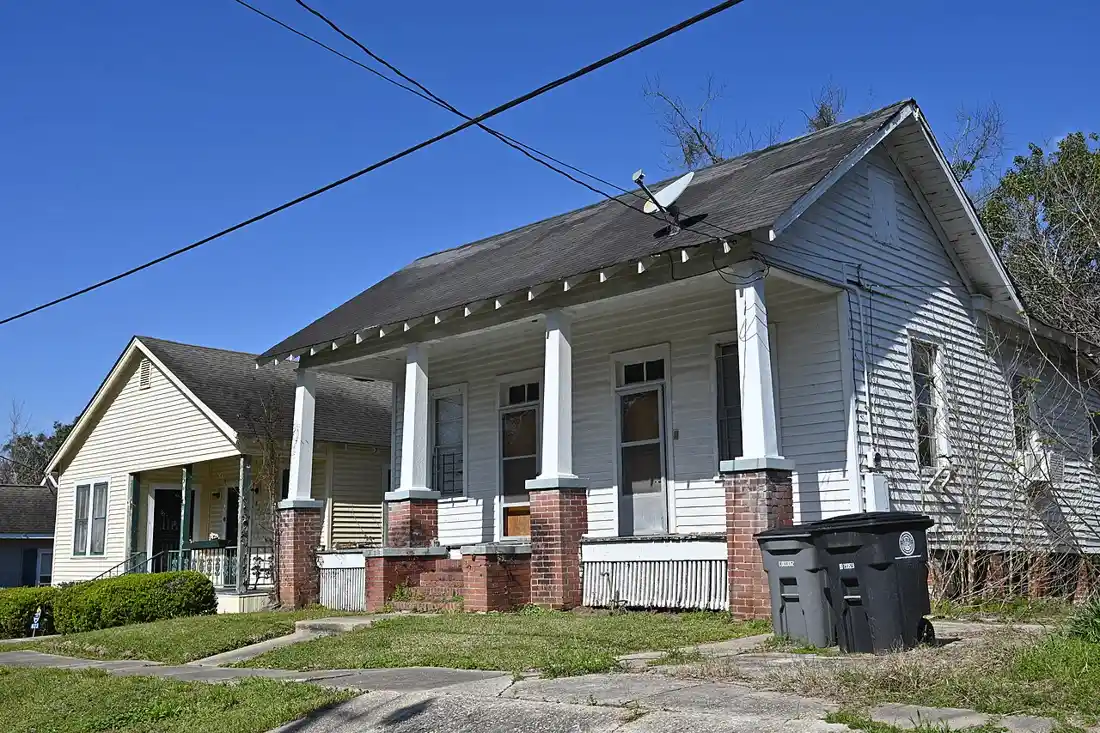
No two Baton Rouge neighborhoods grow a tree the same way. Early-1900s colonials, Tudors, bungalows and cottages on landscaped lots, many two stories under full canopy - and that shapes the tree work directly. Garden District live oaks are enormous, old and close to everything - roofs, drives, garden walls and the street itself. For lot & land clearing in Garden District, a keep-list walked and flagged here is worth more than any machine that follows it.
A lot & land clearing day in Garden District runs on storm time: out before the afternoon cells build, watching the clouds stack over the river, reading trees in the flat morning light that shows every crack and conk. The work near the live oak canopy over Roseland Terrace and Drehr Avenue is scheduled around the sky, because the sky here is a participant, not a backdrop.
Signs Garden District Homes Need Lot & Land Clearing
An overgrown lot you cannot walk through
Tallow and hackberry thickets, vines in every crown, and no line of sight across your own property - the classic in-town clearing call.
A property line or fence has disappeared into growth
Surveys, fences and drainage all need daylight to maintain.
Invasive species have taken the canopy
Chinese tallow is the region's aggressive invader - fast, brittle and prolific.
Why This Work Runs in Garden District
Water shapes the work as much as vegetation. Low Baton Rouge lots hold water; heavy clearing equipment on saturated ground ruts a lot into a pond system. Timing, matting and the drainage conversation belong in every clearing scope east of the bluffs - and the trees left standing at the wet corners are often doing drainage work the new owner will miss when they are gone.
Garden District live oaks are enormous, old and close to everything - roofs, drives, garden walls and the street itself. Their care is the city's purest arborist work: structural pruning on a multi-year rhythm, deadwood read from inside the crown, and root zones protected from the trench and driveway work that quietly kills old oaks from below.
In Garden District, that plays out street by street - and the keeper trees stand flagged and fenced before the first machine rolls. Field note for the Garden District route: the oldest housing carries the oldest trees, and the reading starts there.
Baton Rouge winters are mild and wet - long frontal rains that keep the low ground saturated for weeks, with the deciduous canopy bare enough to read completely. Winter is structure season for tree work: without leaves, weak unions, cracks, cavities and crossing limbs are all visible, pruning cuts heal at the right pace into spring, and the hurricane-season plan for each tree can be set before the growth flush buries the evidence again.
Expect the findings to be specific: this union, that root, the dead top over the drive, the crack on the river side. Vague findings produce vague results. A visit that ends with a map - of defects, of what gets done and what gets watched - is a visit that was worth booking, whatever the tree turns out to need.
Rain, heat and the storm season all take their turn in Garden District - and each hands the trees a new set of instructions.
Before you call, a five-minute walk pays for itself: note where you have seen limbs drop or crowns thin, check the ground at the base for heaved soil or mushrooms, and look at the tree's outline from the street for anything newly lopsided. That list, given on the call, gets the right equipment on the truck.
How Lot & Land Clearing Works in Garden District
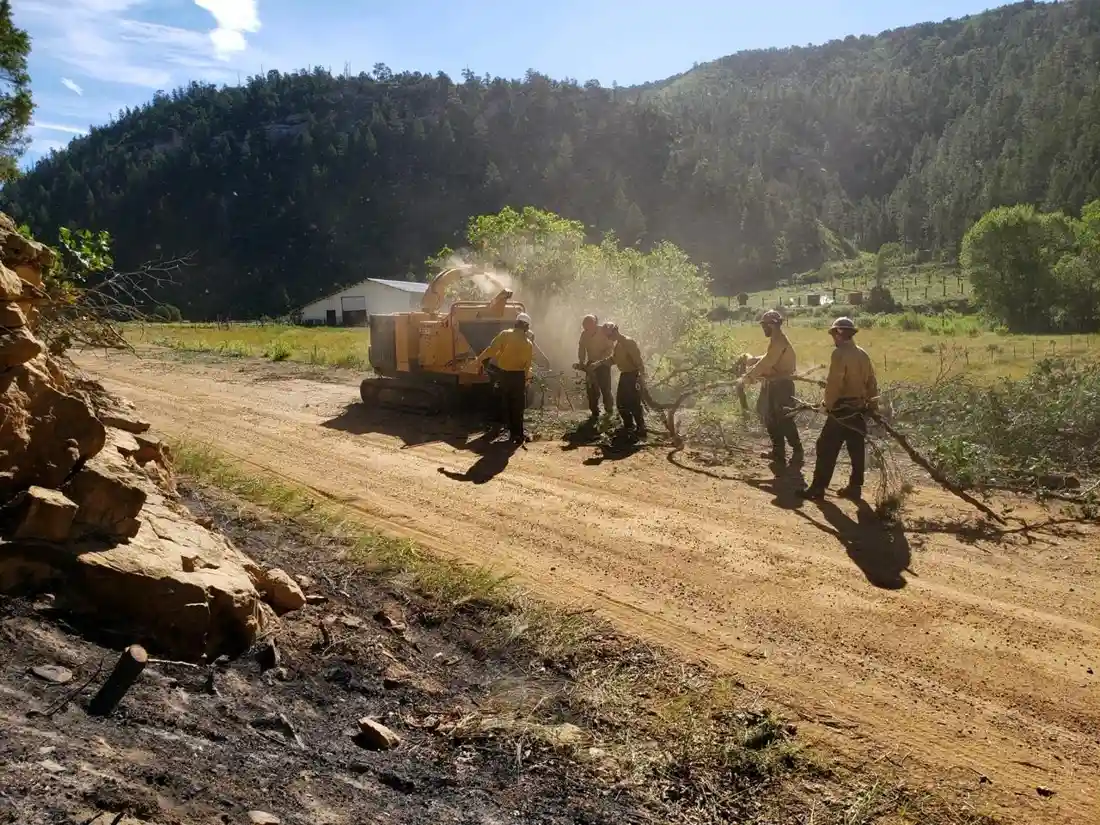
The full step-by-step process for this service - the reading, the scope, the work itself and follow-up - is laid out on the main Lot & Land Clearing page. In Garden District the same sequence runs with the local map in hand: the canopy and ground around the live oak canopy over Roseland Terrace and Drehr Avenue, the housing pattern described above, and the storm exposure this neighborhood actually carries.
The Garden District Angle
The Garden District version of this work is a local story - it runs along the yards within sight of the live oak canopy over Roseland Terrace and Drehr Avenue. Where the failures land hardest follows the housing. Early-1900s colonials, Tudors, bungalows and cottages on landscaped lots, many two stories under full canopy.
And the trees overhead carry their own local accent. Garden District live oaks are enormous, old and close to everything - roofs, drives, garden walls and the street itself. Their care is the city's purest arborist work: structural pruning on a multi-year rhythm, deadwood read from inside the crown, and root zones protected from the trench and driveway work that quietly kills old oaks from below. Done in that order, lot & land clearing in Garden District stops being a recurring surprise and becomes a managed routine.
Garden District does not sit alone on the map. It weathers the same storms as Spanish Town, Beauregard Town and Mid City - the same cells cross the metro, the same trees age into the same systems, and the same seasons move through all of them within the same few weeks. Homes on these blocks share crews, routes and seasons - which is why a tree solved properly on one street tends to stay solved.
On the route map, Garden District sits in the baton rouge neighborhood group, ZIP 70806 - close enough to Spanish Town, Beauregard Town that crews work them on the same runs. Crews working a route learn its trees - the repeat offenders, the tired unions, the lots that fight drainage - and lot & land clearing gets better every run.
Neighbors talk, and in Garden District that is a feature: the street learns which trees fell in the July blow, whose water oaks are thinning, and which lot & land clearing visits ended with photographs and a plan. That shared record is informal, but it is the closest thing a neighborhood has to a tree registry - and the homes in it fare better.
Prevention That Helps in Garden District
- Time heavy clearing for firmer ground where the schedule allows; ruts are drainage you did not design.
- Photograph the cleared lot and the keepers - the baseline the next ten years are managed from.
- Plan the regrowth fight at clearing time - mowing rhythm, mulch, or planting - not after the tallow returns.
Early-1900s colonials, Tudors, bungalows and cottages on landscaped lots, many two stories under full canopy.
Keep Exploring
Lot & Land Clearing nearby:
- Lot & Land Clearing in Spanish Town
- Lot & Land Clearing in Beauregard Town
- Lot & Land Clearing in Mid City
- Lot & Land Clearing in LSU & University Lakes
More services in Garden District:
- Crane-Assisted Tree Removal in Garden District
- Tree Risk Assessment in Garden District
- Stump Grinding & Removal in Garden District
- Arborist Services & Tree Care in Garden District
See the full tree services page for Garden District and the Lot & Land Clearing overview for Baton Rouge.
Lot & Land Clearing in Garden District - Questions
How much clearing does a building lot in Garden District actually need?
The building envelope, its work margins, the driveway and utility runs, and the septic or drainage footprint - plus whatever the reading flags as dangerous to the future structure. Everything beyond that is choice, and the walk-through exists to make the choice deliberately: shade and screening are worth real money when they come free with the lot.
Can clearing be done without wrecking the ground in Garden District?
Largely, yes - with the right equipment choices, matting on soft routes, and timing that respects the wet season. Some disturbance is inherent to the work; the difference between a professional clearing and a careless one is whether the disturbance was planned, minimized and disclosed in advance.
What happens after a Lot & Land Clearing visit in Garden District?
You get the findings in plain language - what was found, what was done, and what to watch - plus the maintenance list for your side and the follow-up timing if the tree's calendar calls for one. The goal is a sound canopy and no surprises.
A Tree Down, Leaning, or Dropping Limbs Over the Roof?
One call connects you with a tree professional serving Baton Rouge and the surrounding Capital Region communities - removal, trimming, stump grinding, storm cleanup and arborist care.
📞 Call Now