Emergency Tree Service in Zachary
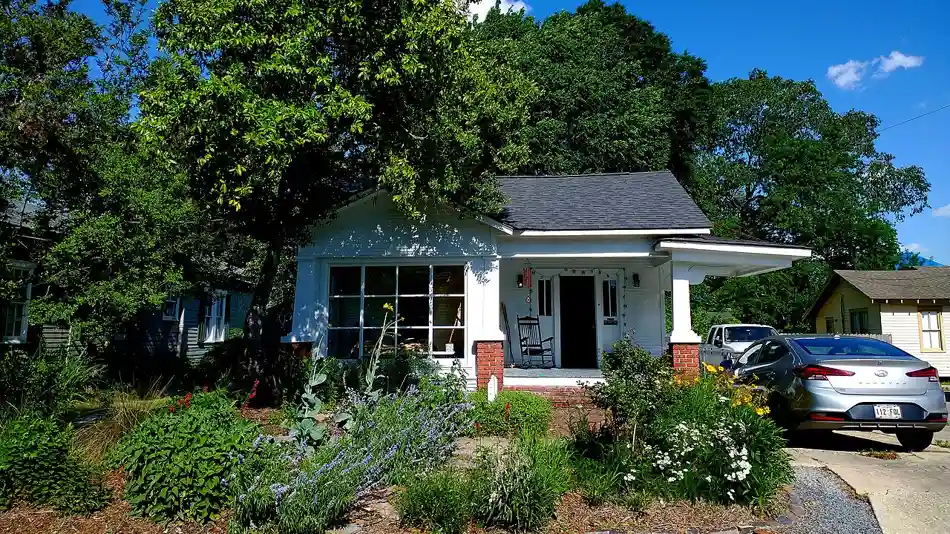
Zachary is the parish's northern small city - top-rated schools, a genuine Main Street, and a small-town canopy of oaks over older neighborhoods, with new subdivisions spreading at its edges.
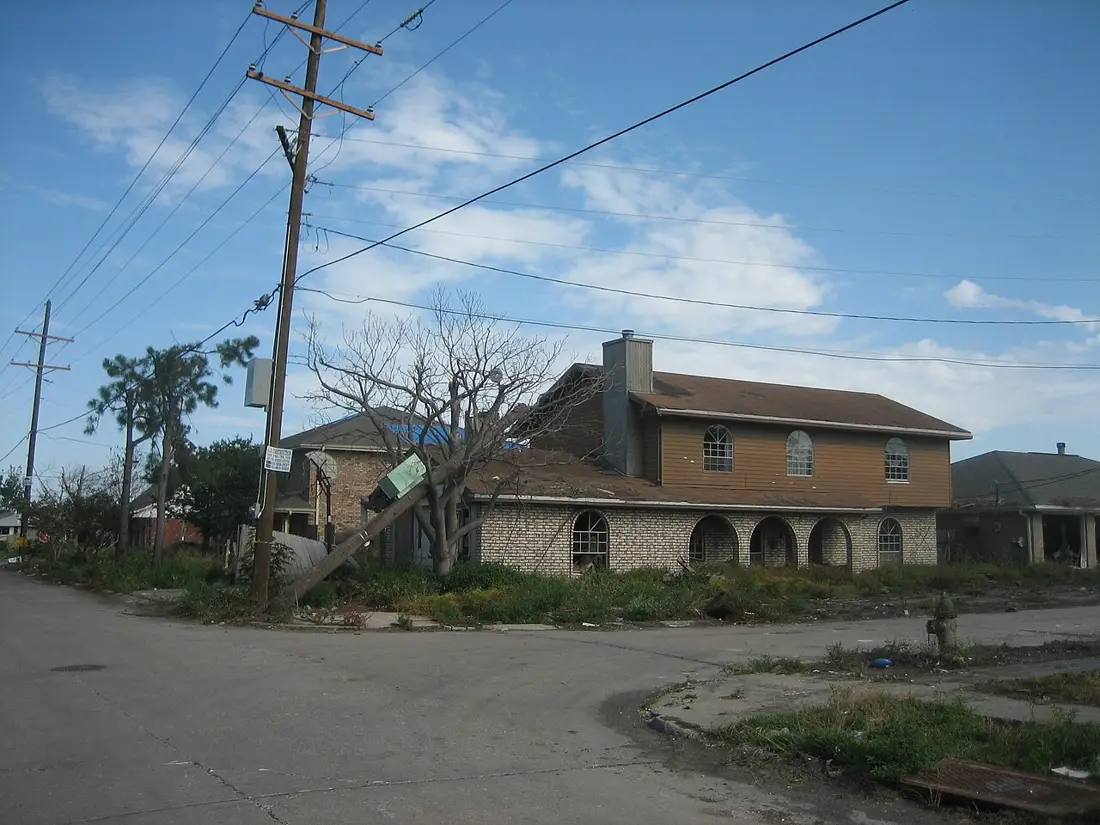
Emergency tree service in Baton Rouge - trees on roofs, split trunks, hangers and blocked drives made safe first, with the documentation insurers ask for and the full cleanup scoped after.
The ground finishes the argument. The old city sits on loess bluffs above the Mississippi - the first high ground upriver from the Gulf - while the suburbs east and south spread across flat, heavy alluvial soils that saturate in the long rains. A saturated root plate in heavy soil lets go in wind that a dry-rooted tree would shrug off, which is why the same hurricane drops trees on one street and spares the next: soil and drainage are part of every tree's real condition here.
August 2016 taught the region what its water can do. When the Amite and Comite rivers rose, Denham Springs and the eastern parishes flooded street by street - and trees that stood in water for days came out of it stressed, root-damaged and slow to show it. Flood stress, drought stress (the dry fall of 2023 killed stressed trees across the region), lightning, and construction damage all write themselves into a tree years before the tree falls. Reading that handwriting early is most of what an arborist sells.
Weight on the roof is the emergency headline: every hour it sits, it works on the deck. Making it safe is the first call, before tarps, before claims, before anything else.
A split union or a crack that widens in wind is a failure in progress. Keep people and vehicles out of the fall zone and treat it as the same-day problem it is.
A fresh lean with heaved ground means the root plate is letting go. In saturated Baton Rouge soil that process finishes on the weather's schedule, not yours.
A broken limb caught in the crown is a stored accident over whatever is below. It needs a professional removal, not a ladder and a rope from the ground.
Access is safety: a blocked drive traps vehicles and slows every other response the house needs. Clearing access is standard first-phase emergency work.
Line contact changes the rules of the whole scene - assume energy, keep distance, and let the response be coordinated with the utility. Nothing about a line tree is a homeowner project.
Baton Rouge emergencies arrive in clusters because the weather does. A hurricane or a hard summer cell does not damage one yard - it damages a parish, and the crews' calendars fill in the order calls arrive. The homeowners who fare best in that queue are the ones whose trees were read in the calm season: their emergency, if it comes, is smaller, and their documentation file already exists.
The region's species write the emergency list. Water oaks split at their aging unions and drop whole crowns. Pines snap or uproot whole, root plate and all, out of saturated ground. Live oaks rarely fail entire - they shed limbs, which is its own emergency category when the limb is the size of a small tree and it lands on the roof at roof height.
Saturated soil is the quiet multiplier. The same tree that stood through June's wind can go over in September after a week of rain has turned its root zone to soup. Emergency readings in this region therefore always include the ground: how much rain, how soft, how much of the plate has already moved - facts that decide whether the neighboring trees are also on today's list.
Summer is the main event: hurricane season opens June 1, the afternoon thunderstorm cycle starts dropping lightning and microburst winds on the canopy, and saturated soils loosen root plates under full-leaf trees carrying their maximum wind load. Tree work in summer is triage and honesty - storm damage cleared safely, hangers and split limbs taken down before the next cell, and the deadwood and weak unions the storms exposed read as the warning they are.
Fall brings the peak of hurricane season in September, then the long exhale: pecans drop, the storm-season damage list gets its proper repairs, and the year's planting and structural pruning window opens as growth slows. Baton Rouge trees pruned and read in the fall enter the wet winter with balanced crowns and clear targets; trees ignored carry every summer weakness into the season of saturated ground and frontal winds.
Spring is Baton Rouge's growth flush: live oaks drop and replace their leaves in a few March weeks, water oaks push out the canopy that shades the summer, and everything green in the city grows at its fastest rate of the year. It is also the honest inspection season - new growth shows exactly where last year's damage lives, dead branches stand bare against the new leaves, and a tree's real structure can be read before the summer canopy hides it and the hurricane season tests it.
Emergency tree work runs on triage logic borrowed from medicine: treat first what threatens life and shelter, stabilize, and defer everything that can safely wait. In practice that means the tree on the roof outranks the tree on the fence, which outranks the tree on the lawn, and a parish-wide storm simply stretches the same order across thousands of addresses. Understanding the order keeps homeowners calm in the queue - and explains why the crew that clears your drive may leave the backyard oak for the second visit.
The second discipline of emergency work is restraint. A storm-loaded tree is a sprung structure: every cut releases stored energy somewhere, and speed multiplies misjudgment. The crews who come through storm seasons whole are the ones who slow down at exactly the moment everything urges haste - reading the lean, the tension and the bind before each cut, and treating the scene's unknowns as facts to be discovered rather than surprises to be survived.
In an emergency you choose fast, so choose on the few signals that matter: a live answer, a clear statement of what the first visit does (make safe, document) and does not promise, and insurance confirmed. Save the full vetting for the calm-season work - and let the emergency crew's professionalism under pressure be the audition for it.
Baton Rouge grows its trees on Gulf weather: roughly five feet of rain a year, summers that run hot and saturated from May into October, and a canopy that never really goes dormant. Live oaks, water oaks, southern magnolias, pecans, loblolly pines and bald cypress all grow fast in this climate - faster than their root systems and wood strength sometimes deserve - and a fast-grown tree in a wet climate is a standing maintenance commitment, not a one-time planting decision.
The storm record is the second fact. Hurricane Gustav made a direct hit in 2008 and put much of the city in the dark for weeks under fallen trees; Isaac, Laura, Delta and Ida each took their own pass at the canopy, and every summer the afternoon thunderstorms and lightning do smaller versions of the same work. Baton Rouge tree care is therefore storm work on a schedule: the pruning, deadwood removal and risk reading that happen in the calm months decide what the violent hours find.
Fall zones are cleared, line contact is flagged to the utility, and nothing is cut until the loads and tensions are read.
Sections are lifted or rigged off the roof and walls in the order that protects what is left of the building.
Photographs and a written record of what fell, what it damaged and what was done - the file your insurer will ask for.
Once the house is safe and dry, the rest - remaining trees, stump, full cleanup - is scoped as a normal job on a normal calendar.
Emergencies reward the prepared. The habits that shrink a 2 a.m. disaster into a manageable call:
The communities around Baton Rouge share its rain and its storms - with their own twists of flood ground, pine cover and heritage canopy.
Zachary is the parish's northern small city - top-rated schools, a genuine Main Street, and a small-town canopy of oaks over older neighborhoods, with new subdivisions spreading at its edges.
Baker is the parish's quiet northern city, a residential community of established neighborhoods off Plank Road and Groom Road, with Baton Rouge's industrial north at its southern edge.
Scotlandville is one of the city's oldest Black communities, wrapped around Southern University - the largest HBCU campus in the region, sitting on the bluff where Scotland Road meets the river. Heritage oaks shade both the campus and the surrounding streets.
North Baton Rouge is the city's industrial and historic working district - refinery and plant corridors along the river, and behind them some of the oldest residential streets in the parish, where maintenance backlogs and heritage canopy stand side by side.
In the intown core and the west side - Downtown Baton Rouge, Spanish Town, Beauregard Town, Garden District, Mid City and LSU & University Lakes, Southdowns, Burbank & Highland Road, Kenilworth, Goodwood - the canopy runs from Baton Rouge's oldest heritage oaks to the mature subdivision plantings, and emergency tree service follows it: deep shade and old structure on the historic streets, storm exposure along the river side, and heritage trees that ask for arborist hands.
Across the growth sides and the east - Tara, Broadmoor, Sherwood Forest, Jefferson Terrace, Essen & Medical District, Bocage and Bluebonnet, Shenandoah, Old Jefferson, Denham Springs, Prairieville, Central - sit the postwar and newer subdivision waves, the region's heaviest water-oak cohort and its fastest-growing young canopy, which together make this the steadiest emergency tree service territory in the metro.
Beyond the city line, the same work runs in Zachary, Baker, Scotlandville, North Baton Rouge, Port Allen, Brusly & Addis - small cities, fast-growing suburbs and flood-plain communities where wooded lots, saturated ground and storm history add their own chapters. Every one of these area pages carries the local detail for emergency tree service in that community.
Every area we serve has its own Emergency Tree Service page with local detail.
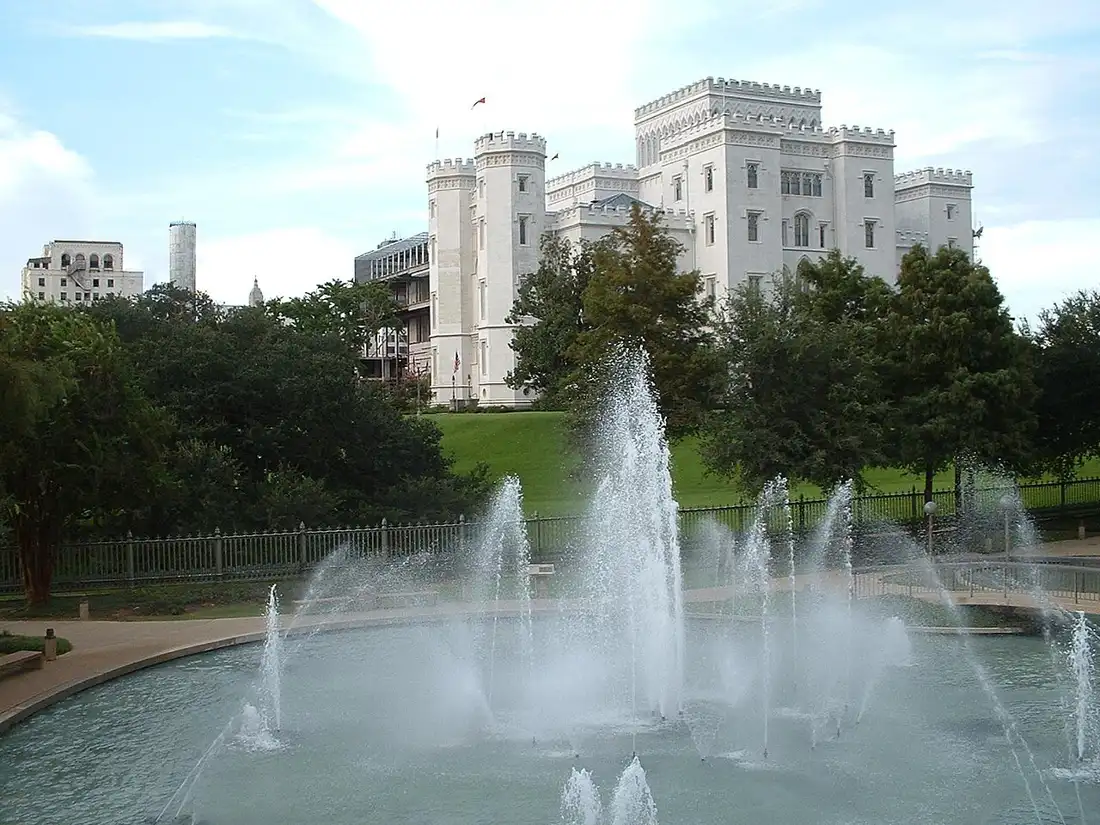 Downtown Baton Rouge
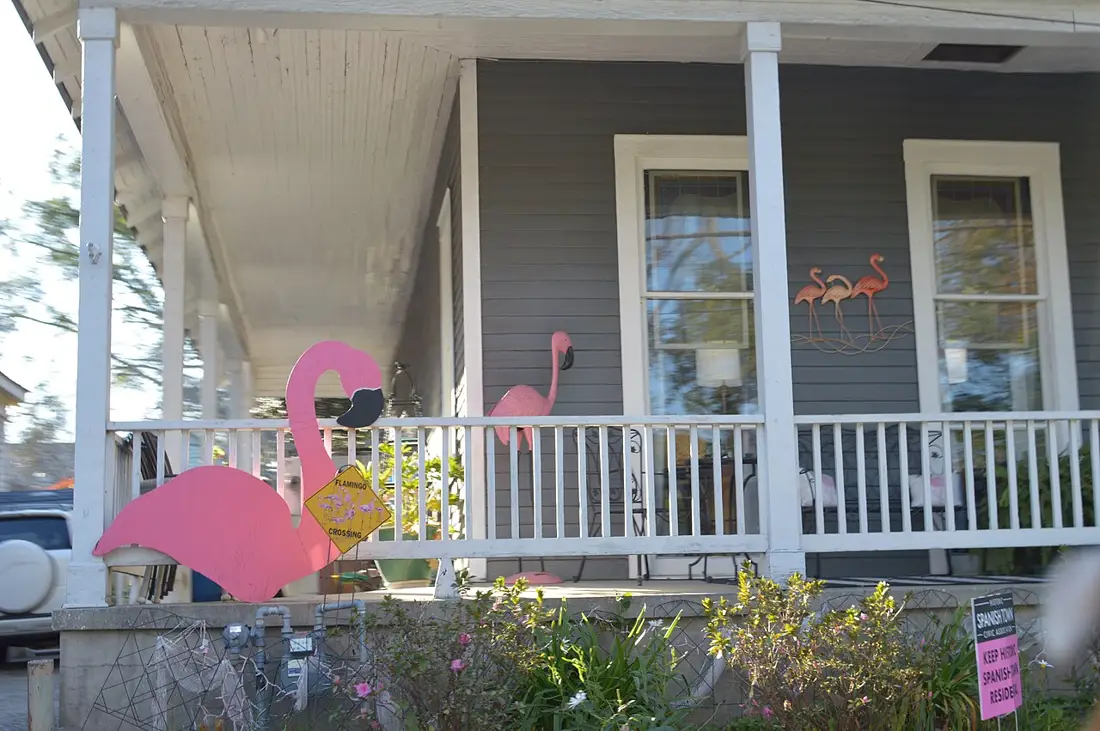 Spanish Town
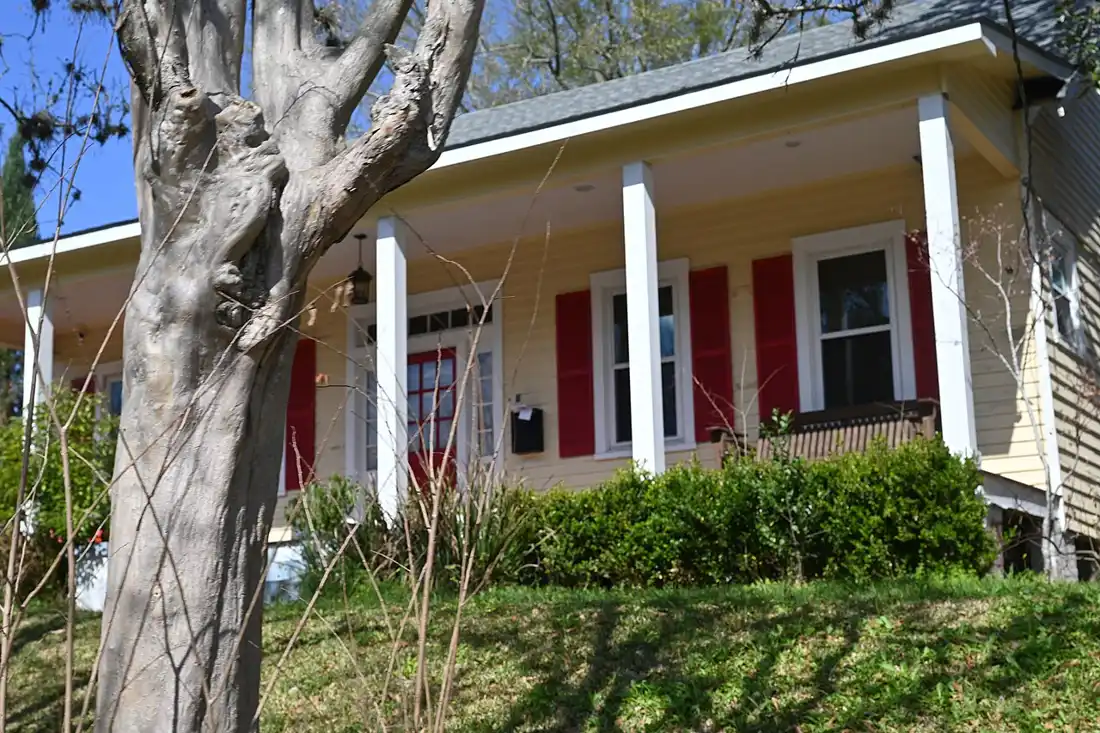 Beauregard Town
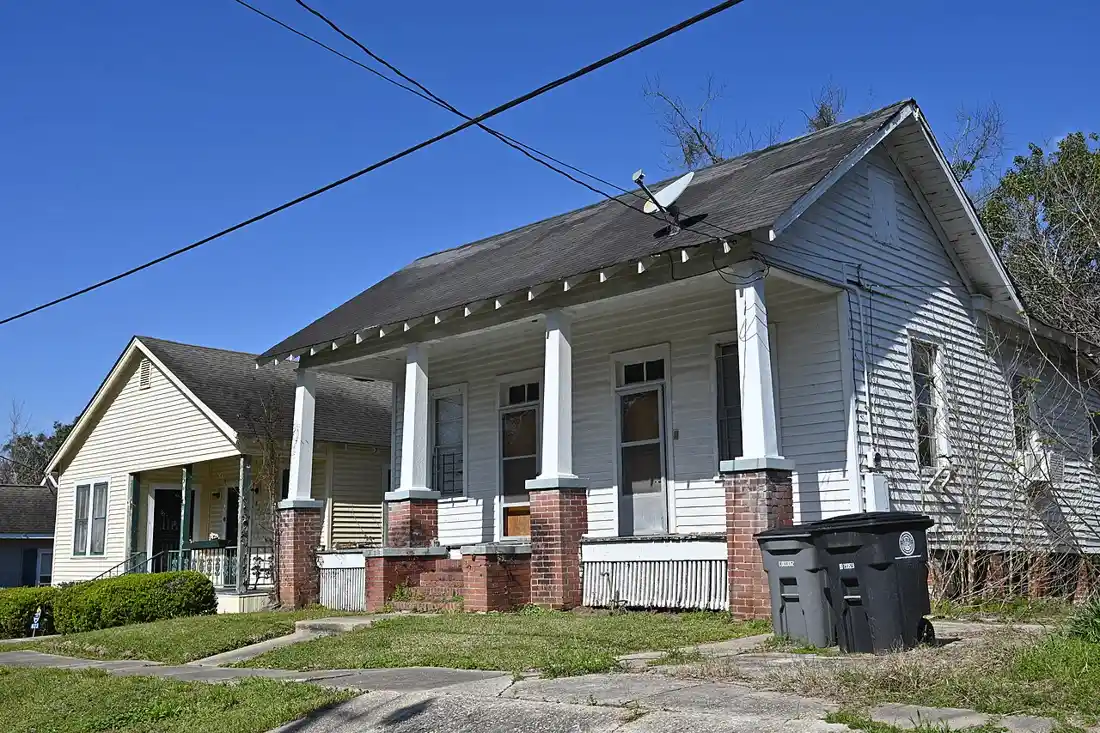 Garden District
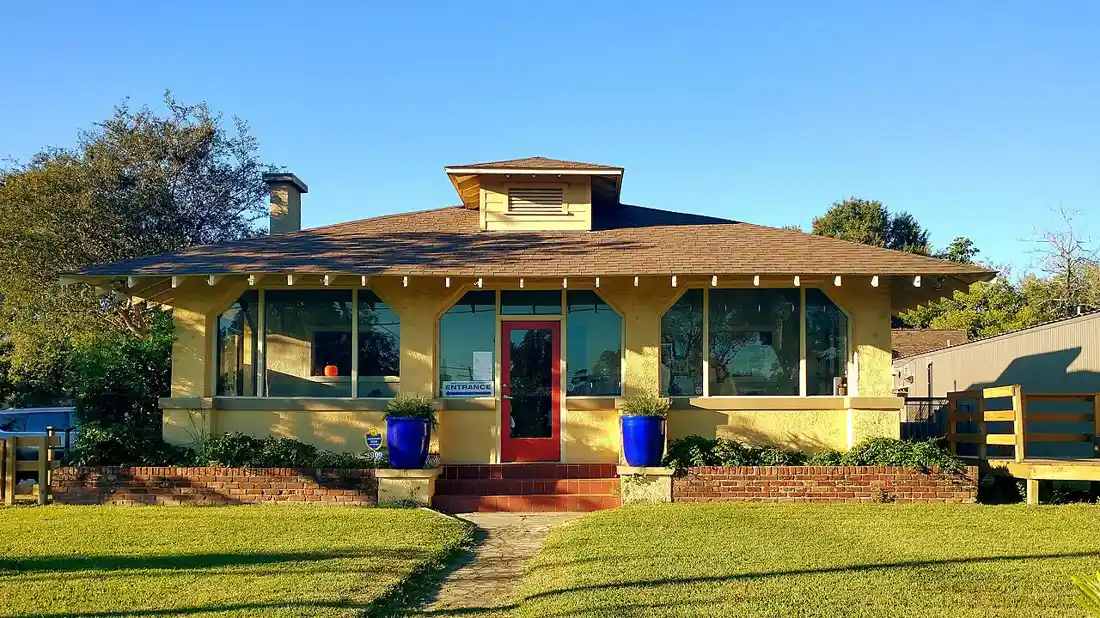 Mid City
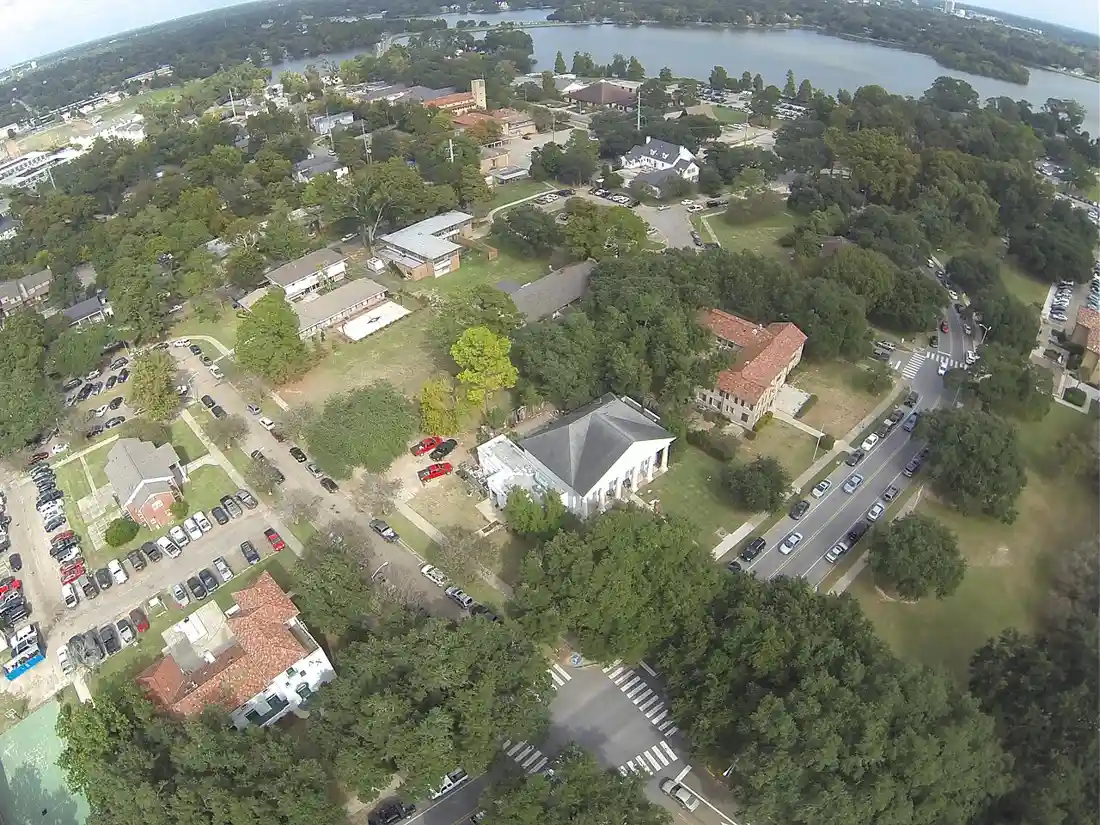 LSU & University Lakes
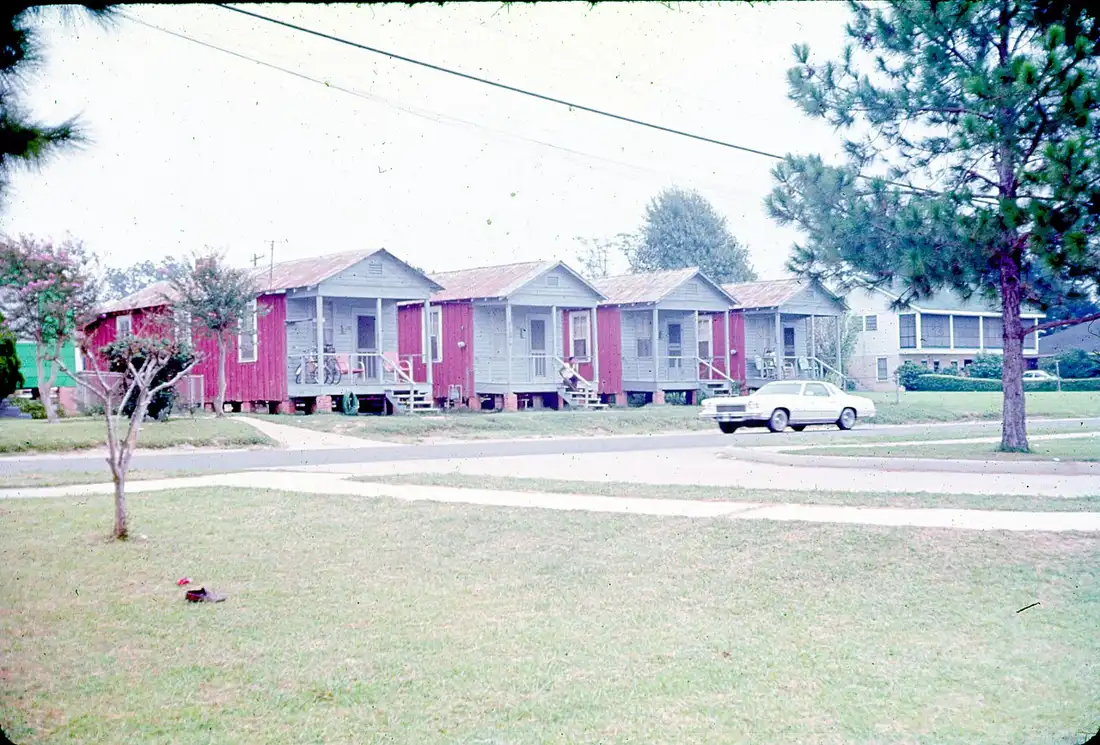 Southdowns
 Burbank & Highland Road
Emergency Tree Service runs across the whole service map: Downtown Baton Rouge, Spanish Town, Beauregard Town, the Garden District, Mid City, LSU & the Lakes, Southdowns, Kenilworth, Goodwood and Tara; Broadmoor, Sherwood Forest, Jefferson Terrace, the Medical District, Bocage and Bluebonnet; Shenandoah and Old Jefferson to the east; and beyond in Denham Springs, Prairieville, Central, Zachary, Baker, Scotlandville, Port Allen and Brusly-Addis. One call covers all of it - the local pages above carry the detail for each. If your street is not named here, call anyway: routes grow with demand, and most East Baton Rouge, Livingston and Ascension Parish addresses are already within reach of a scheduled run.
Trees meet hurricane season exactly as they are - every defect they grew all year is the defect the storm grades. Prepare in spring: a professional reading, structural pruning done early, hangers and deadwood down, and a photo file of every tree and the roof.
Read the GuideWhole neighborhoods of Baton Rouge water oaks are declining at once and owners do not know if theirs is next. Water oaks live fast and age early: heavy limbs, interior decay and short lifespans mean the 1960s plantings are in their risk years together.
Read the GuideHomeowners inherit live oaks older than the city around them with no idea of their lifespan or what it depends on. A live oak in good ground can live for centuries - Baton Rouge's oldest were mature before Louisiana was a state - and its longevity is mostly soil, space and restraint.
Read the GuideThat the storm is the small half of it. Gustav's 2008 treefall left much of the region without power for weeks, and the cleanup - hung trees, blocked streets, roofs under oaks - ran for months. The standing lesson every local arborist absorbed: the trees that were read and pruned before the season produced a fraction of the emergencies of the ones that were not.
It depends on how much of the root plate has failed and whether the lean is new. A small, long-standing lean in a healthy tree can be a watch item. A fresh lean with lifted soil is a failed anchor - the tree is standing on credit, and the honest reading usually ends at removal while the removal is still a choice.
The make-safe visit's job is the tree; once the weight is off, tarping is the standard companion step - many crews tarp as part of securing the house, and where they do not, they will tell you plainly so a roofer can follow the same day. Ask when you call, while the tree is still being dispatched.
That is a judgment for the responders who can see the structure, not a question with a general answer. The safe default: stay out of the rooms beneath and beside the load until the make-safe crew has read it. Roofs under trees can be stable platforms or loaded springs, and the difference is not visible from the living room.
A tree on a structure, a split or cracking trunk, a fresh lean with moving soil, large hangers over occupied ground, a blocked only-exit, or any tree touching lines. If it can hurt someone or finish damaging the house before a scheduled visit could happen, it is an emergency by definition.
Get everyone out of the rooms under the tree, and out of the fall zone entirely. If lines are involved or sparking, call the utility and keep well clear. Then photograph from a safe distance, call for the make-safe visit, and notify your insurer - in that order, and without climbing anything.
Policies commonly cover the removal of a tree that has fallen on a covered structure, and the resulting damage - and commonly do not cover removing a tree that fell harmlessly in the yard. The exact answer is your policy's, but the documentation is everyone's: photographs, the professional's invoice and a written description of what fell where.
In a single-house event, same-day response is the working standard. In a parish-wide storm, every crew in the region is triaging by danger - structures and blocked access first - and honest dispatchers say where you are in that queue. The make-safe visit and the full cleanup are usually two different appointments in storm weeks.
One call connects you with a tree professional serving Baton Rouge and the surrounding Capital Region communities - removal, trimming, stump grinding, storm cleanup and arborist care.
📞 Call Now