Signs a Tree Is Dying: A Baton Rouge Homeowner's Diagnostic Guide
A thinning tree might be stressed and saveable - or dying on the inside while the crown still looks passable.
Read the Guide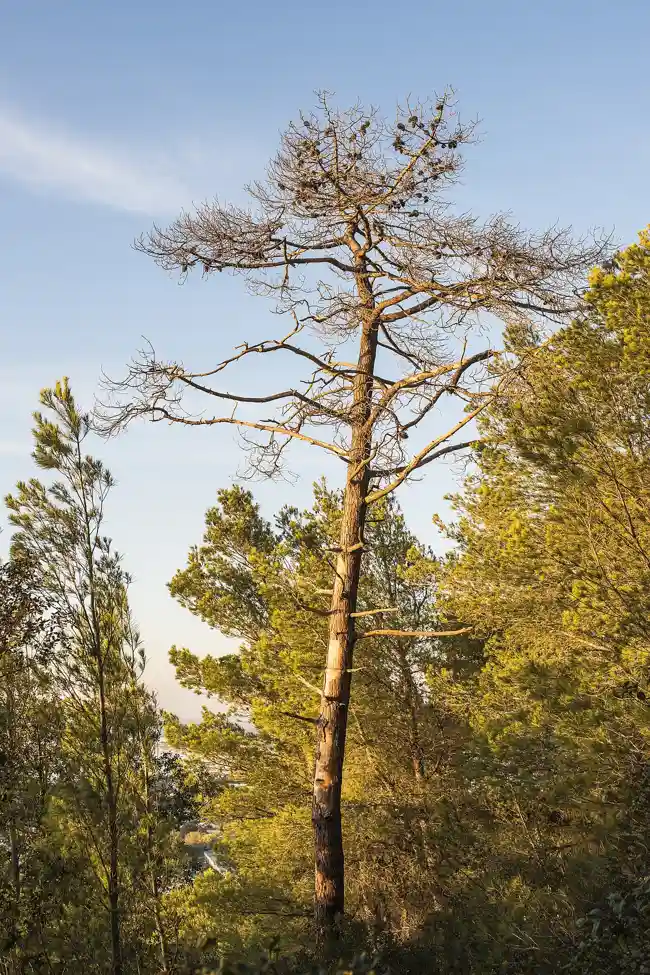
Whole neighborhoods of Baton Rouge water oaks are declining at once and owners do not know if theirs is next.
Problem: Whole neighborhoods of Baton Rouge water oaks are declining at once and owners do not know if theirs is next.
Solution: Water oaks live fast and age early: heavy limbs, interior decay and short lifespans mean the 1960s plantings are in their risk years together.
When to call: Have yours read if it is a mature water oak over a roof - and plan the succession tree before the old one is gone.
Drive Broadmoor, Sherwood Forest or any postwar Baton Rouge subdivision and you are driving through a single generation of trees. Builders and homeowners planted water oaks by the thousand in the 1950s and 60s because nothing else grows that fast in this soil. The bill for that speed has come due in the same decades the trees were planted in - and understanding the species is the difference between managing yours and being surprised by it.
The ground finishes the argument. The old city sits on loess bluffs above the Mississippi - the first high ground upriver from the Gulf - while the suburbs east and south spread across flat, heavy alluvial soils that saturate in the long rains. A saturated root plate in heavy soil lets go in wind that a dry-rooted tree would shrug off, which is why the same hurricane drops trees on one street and spares the next: soil and drainage are part of every tree's real condition here.
The water oak's deal is written in its wood. It grows with extraordinary speed - a yard tree can be a giant in thirty years - but its wood is brash, its structure prone to heavy horizontal limbs and crowded unions, and its interior prone to decay that hollows those unions from inside. Where a live oak's lifespan is counted in centuries, a water oak's is counted in decades: fifty to eighty years is a full life, and yard conditions often shorten it.
That is not a defect so much as a niche - in the wild, water oaks are pioneer trees of wet ground, built to seize a site fast and yield it later. The problem is purely architectural: Baton Rouge planted a fifty-year tree as if it were a permanent one, in permanent positions - over roofs, along streets, at the corners of houses that will outlive it by generations.
Water oak decline announces itself in a characteristic sequence. First the interior crown thins while the outline still looks full - the 'hollow helmet' stage. Then heavy limbs die back at their ends, deadwood accumulates faster than it can be pruned, and fungal evidence appears at old wounds and unions. Hypoxylon crusts under sloughing bark mark the late stages, when the tree's energy budget can no longer defend its own wood.
The structural math deteriorates in parallel. The great lateral limbs that define the species' look become end-heavy levers mounted on decaying unions. Limbs, then whole crowns, begin to come down - often in ordinary summer storms that a sound tree would have shrugged off. Neighbors read the sequence on one street and see it repeated on the next, because it is the same cohort aging on the same schedule.
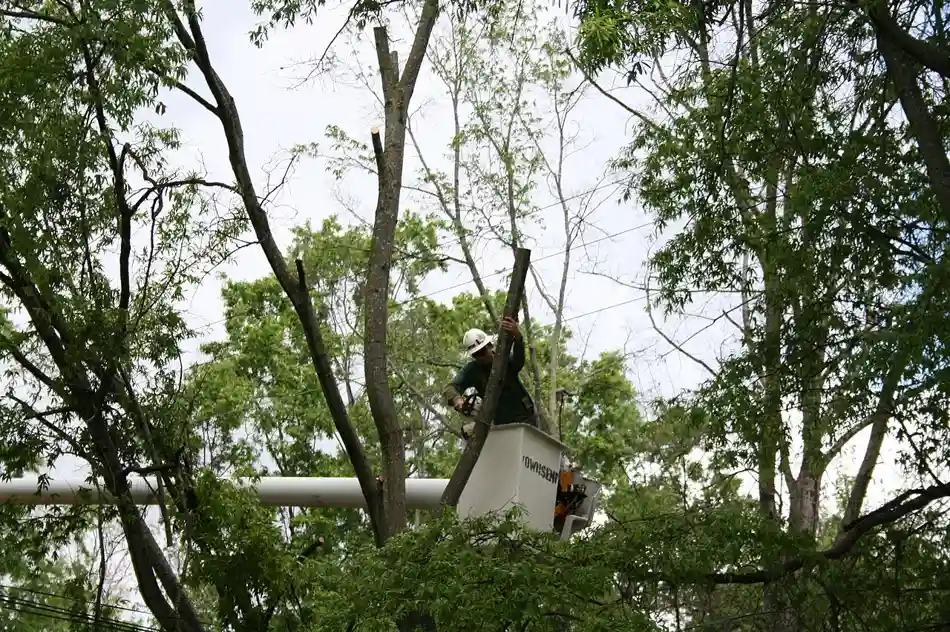
The management answer is threefold. First, the reading: a mature water oak earns an arborist's structural assessment on a short cycle - every two years, annually once decay is established - because its failure timeline is measured in seasons, not decades. Second, the pruning: deadwood out, end-weight reduced on the great laterals, unions inspected - the work that buys safe years without pretending the clock has stopped.
Third, and most neglected, the succession: plant the replacement now, while the old tree still shades the yard. A live oak, a Shumard oak, a nuttall oak planted in the water oak's last decade is a ten-year tree when the giant comes down - the yard never loses its canopy, and the owner never faces the stump-grinder's empty circle and a nursery receipt in the same week. Planting the heir is the single most farsighted act in suburban tree care.
The removal case for a water oak is made by evidence, not by species prejudice: established decay at the main unions, a thinning crown progressing year over year, repeated limb failure, fungal fruiting at the base. Any two of those over a roof put the tree on the calendar; the assessment's job is to say which season, and whether the tree can be climbed or needs the crane its hollowness may demand.
What the species' reputation should never produce is panic-felling of sound trees. A healthy water oak at forty, well-structured and clean of decay, has good years in it and is earning its shade. The point of the reading is exactly this discrimination - keeping the sound cohort standing while removing the failed one on schedule, street by street, before the storms grade the difference publicly.
The water oak's reign was rational at the time. Postwar Baton Rouge needed shade in a hurry on raw subdivision lots, nurseries could grow water oaks faster than any competitor, and the species thrives in the region's wet soils. Builders planted them as standard issue - often several to a lot, often at the exact corners where a permanent tree would eventually meet the roof. Nobody involved expected to attend the ending; the trees were, in the trade's phrase, 'the builder's tree.'
The deeper pattern repeats across the Gulf: fast species planted as permanent infrastructure, from Bradford pears in the 1980s to water oaks in the 1960s. The lesson each cohort teaches is the same and is always learned by the succeeding owners: a tree's purchase price is the smallest number in its lifetime, and its mature conflict with the house is the largest.
Read professionally, a water-oak street sorts into three groups, and the sorting is the service. The sound third: full crowns, clean unions, no fungal evidence - these get pruned on cycle and left to their good years. The watch third: interior thinning, early end-weight problems, old wounds - these get the short interval and the succession planting conversation. The action third: decay at the unions, fruiting bodies, limb failures already on the record - these get dates, methods and, where a roof is underneath, priority.
The triage matters because the alternative - treating every water oak as doomed or every one as fine - both fail the street. Panic-felling destroys a decade of shade the sound trees still owe; complacency leaves the action third to the storms. The professional read is the middle instrument, and on a cohort street it pays for itself in both directions.
Mature water oaks have become a line item in Baton Rouge real estate whether anyone lists them or not. Informed buyers price the big oak over the roof as a coming expense; insurers ask about the canopy with new attention; sellers who arrive with an arborist's current report - tree read, condition stated, plan attached - convert a negotiation weapon into a managed fact. The report does not make the tree younger; it makes its future legible, which is what transactions actually need.
For buyers, the water oak walk belongs in the inspection period: species identified, unions eyeballed, seller's records requested. A sound water oak with a decade of good reports is an asset wearing a scary reputation. A declined one with no records is a quote waiting to be requested - and it is far better requested before the closing than after the first storm.
A dead tree's wood tells its biography in reverse: the outermost rings, youngest and last grown, decay first where fungi entered at the bark, while the heartwood - dead for decades even in the living tree - can remain sound long after. That is why two snags of the same age can be opposite jobs: one a climbable column of sound heartwood, the other a shell. The reading - sounding, probing, sometimes drilling - exists because the calendar since death predicts the wood far worse than the evidence does.
That is the service side of this guide's subject. When you are ready, the Dead Tree Removal page carries the process, the coverage by neighborhood and the number to call.
Same-age water oaks mean shared timing: what is happening to the neighbors' trees is data about yours.
Unions, decay, crown trend - the evidence that separates 'aging well' from 'on the clock.'
Deadwood and end-weight off, on the arborist's cycle - buying safe time honestly.
A long-lived oak placed for the next fifty years, growing up in the old tree's light.
Species confirmed - water oak versus laurel oak versus live oak changes the whole plan
conks, seams, hollows, sloughing bark
Crown trend judged against last year's photo, not against hope
Successor tree chosen and sited while the old tree still stands
A water-oak assessment should state plainly which triage group the tree is in - sound, watch, or action - and the evidence that put it there: which unions, what decay indicators, what the crown trend shows. For watch-group trees the scope names the interval and the promoting signs; for action-group trees it names the method the tree's condition allows.
Where several water oaks stand on one property - the common subdivision case - ask for the cohort plan: all trees read in one visit, removals sequenced over seasons if the budget needs it, and successors planted in the first season. The cohort rate for the reading is the one economy this species genuinely offers.
Professionals read a water oak like a structural report: the unions first, because that is where this species keeps its failures; sounding and probing where the bark suggests; the crown read as a trend against the tree's own history rather than against the live oak down the street. Their pruning of the species is conservative in a specific way - it removes failure candidates (deadwood, end-weight) while never pretending the tree's clock can be pruned backward. And their planting advice is the professional tell: they always ask what is going in next.
the hollow-helmet crown looks full from the street while the interior empties - the species' signature deception.
hardware in rotten wood is decoration with a torque rating; support belongs in sound trees.
cohort panic fells good trees and the street's shade in the same week.
Replanting water oak in the same hole, on the same plan: the definition of repeating the cohort mistake at retail.
The water oak asked Baton Rouge for fifty fast years and delivered them. The region's answer is not resentment but management: read the cohort, keep the sound, succeed the failing - and plant the next canopy for the century.
A thinning tree might be stressed and saveable - or dying on the inside while the crown still looks passable.
Read the GuideRemoval quotes vary wildly for 'the same tree' and homeowners cannot tell an honest number from a guess.
Read the GuideFifty to eighty years is the honest range for the species, with yard conditions deciding where in it a given tree lands. That means the subdivision plantings of the 1950s through 1970s are, as a cohort, in or past their risk years now - which is exactly what the region's streets are showing.
No - condition, not species, is the verdict. A sound, well-structured water oak with clean unions and a full crown is a working tree with years to give. The species' reputation argues for reading yours on a cycle and believing the evidence, not for removing a healthy tree on a generalization.
Plant for the century this time: live oak where the space allows its full spread, Shumard or nuttall oak where a more upright form fits, with willow oak a reasonable middle path. All three are long-lived red-oak-group or live oak choices suited to local soil - and all three reward being planted while the old tree still stands.
Treat the limb drops as the tree filing a report. Occasional small deadwood in a storm is normal; repeated loss of large laterals means the end-weight and union-decay equation is advancing. The reading that follows the first big limb - not the third - is the one that keeps the decision yours.
One call connects you with a tree professional serving Baton Rouge and the surrounding Capital Region communities - removal, trimming, stump grinding, storm cleanup and arborist care.
📞 Call Now