Dead Tree Removal in Zachary
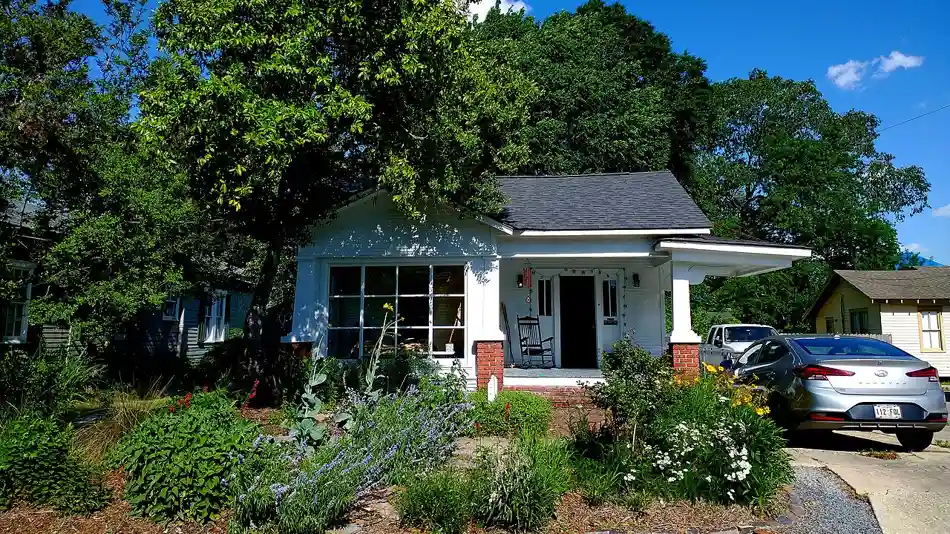
Zachary is the parish's northern small city - top-rated schools, a genuine Main Street, and a small-town canopy of oaks over older neighborhoods, with new subdivisions spreading at its edges.
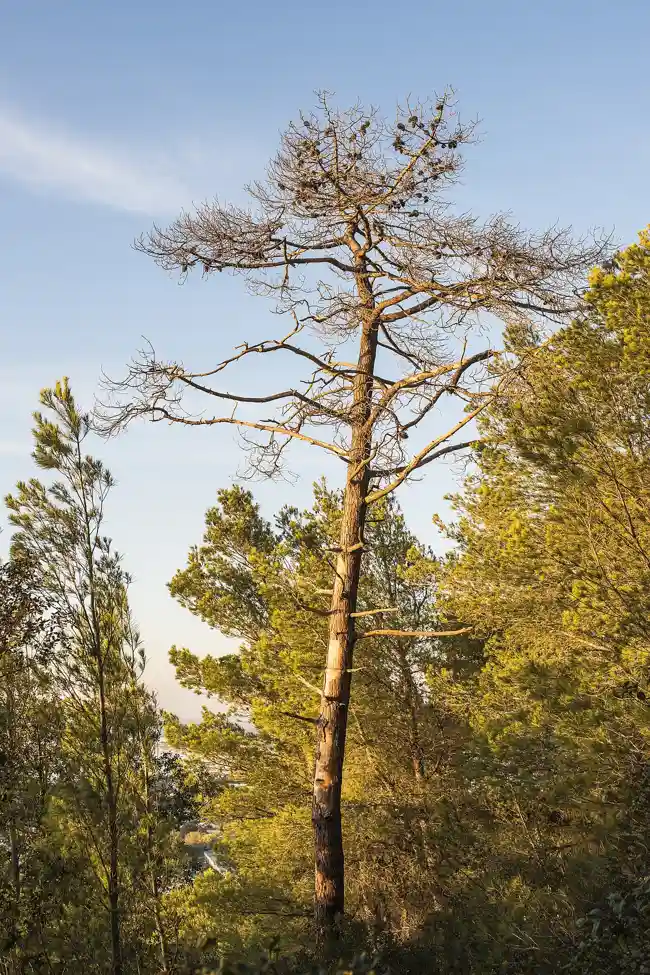
Dead tree removal in Baton Rouge - a standing dead tree gets more dangerous and harder to remove every month; the reading, the method matched to its brittleness, and removal before the storm chooses the date.
The ground finishes the argument. The old city sits on loess bluffs above the Mississippi - the first high ground upriver from the Gulf - while the suburbs east and south spread across flat, heavy alluvial soils that saturate in the long rains. A saturated root plate in heavy soil lets go in wind that a dry-rooted tree would shrug off, which is why the same hurricane drops trees on one street and spares the next: soil and drainage are part of every tree's real condition here.
August 2016 taught the region what its water can do. When the Amite and Comite rivers rose, Denham Springs and the eastern parishes flooded street by street - and trees that stood in water for days came out of it stressed, root-damaged and slow to show it. Flood stress, drought stress (the dry fall of 2023 killed stressed trees across the region), lightning, and construction damage all write themselves into a tree years before the tree falls. Reading that handwriting early is most of what an arborist sells.
One spring of patience confirms it: a canopy that never leafs while its neighbors green is a dead tree, whatever the hope.
Bark separating from the trunk means the cambium beneath is gone and the wood is drying and decaying - the brittleness clock is running.
Decay fungi fruited because there is dead wood to feed on. On a standing dead tree they mark how far the softening has traveled.
The birds and borers have voted: the wood is soft enough to mine. A tree full of holes is telling you its remaining strength is a shell's.
The silent-weather limb drop is the dead tree beginning to dismantle itself - over whatever happens to be beneath at the time.
A quick death often means root death - and root death means the anchor is failing on the same schedule as the crown. Sudden deaths move to the front of the queue.
Gulf humidity is a dead tree's accelerant. In drier climates a snag can stand sound for a decade; in Baton Rouge the fungal community works year-round, termites follow, and a dead pine can pass from climbable to untouchable in two or three seasons. The local rule of thumb is blunt: the removal conversation for a dead tree should happen the season it dies, not the year it falls.
Species set the decay schedule. Pines go brittle fast and shed their tops in pieces. Water oaks hollow from their unions down. Live oaks, slowest and densest, can stand dead for years while looking deceptively solid - and conceal the rot that makes even them unclimbable. The reading names the species' clock before it names the method.
Dead trees also serve the ecosystem - woodpeckers, owls and a food web in every snag - and on acreage far from targets, leaving one is a legitimate, even admirable, choice. The calculus is targets: what the tree can reach when it fails. Inside a subdivision, the reach includes the neighbor's roof, which is what moves a dead tree from habitat to liability.
Baton Rouge winters are mild and wet - long frontal rains that keep the low ground saturated for weeks, with the deciduous canopy bare enough to read completely. Winter is structure season for tree work: without leaves, weak unions, cracks, cavities and crossing limbs are all visible, pruning cuts heal at the right pace into spring, and the hurricane-season plan for each tree can be set before the growth flush buries the evidence again.
Spring is Baton Rouge's growth flush: live oaks drop and replace their leaves in a few March weeks, water oaks push out the canopy that shades the summer, and everything green in the city grows at its fastest rate of the year. It is also the honest inspection season - new growth shows exactly where last year's damage lives, dead branches stand bare against the new leaves, and a tree's real structure can be read before the summer canopy hides it and the hurricane season tests it.
Summer is the main event: hurricane season opens June 1, the afternoon thunderstorm cycle starts dropping lightning and microburst winds on the canopy, and saturated soils loosen root plates under full-leaf trees carrying their maximum wind load. Tree work in summer is triage and honesty - storm damage cleared safely, hangers and split limbs taken down before the next cell, and the deadwood and weak unions the storms exposed read as the warning they are.
A dead tree's wood tells its biography in reverse: the outermost rings, youngest and last grown, decay first where fungi entered at the bark, while the heartwood - dead for decades even in the living tree - can remain sound long after. That is why two snags of the same age can be opposite jobs: one a climbable column of sound heartwood, the other a shell. The reading - sounding, probing, sometimes drilling - exists because the calendar since death predicts the wood far worse than the evidence does.
Timing holds one more subtlety: the ecosystem and the calendar both argue, quietly, for winter and early spring removals where urgency allows. Birds are not nesting, the ground is firmest, crews are least storm-pressed, and the brittle wood is at its driest and most predictable. The dead tree that is discovered in October and scheduled for January has been handled correctly - provided, always, that its fall zone can honestly wait that long.
Choosing who removes a dead tree, treat humility as the qualification: the right crew reads the wood first, reserves the right to change methods when the tree's condition demands it, and prices that honesty into the conversation. Walk away from anyone who promises a climbing plan for a tree they have not touched - the tree, not the contract, will grade that promise.
Baton Rouge grows its trees on Gulf weather: roughly five feet of rain a year, summers that run hot and saturated from May into October, and a canopy that never really goes dormant. Live oaks, water oaks, southern magnolias, pecans, loblolly pines and bald cypress all grow fast in this climate - faster than their root systems and wood strength sometimes deserve - and a fast-grown tree in a wet climate is a standing maintenance commitment, not a one-time planting decision.
The storm record is the second fact. Hurricane Gustav made a direct hit in 2008 and put much of the city in the dark for weeks under fallen trees; Isaac, Laura, Delta and Ida each took their own pass at the canopy, and every summer the afternoon thunderstorms and lightning do smaller versions of the same work. Baton Rouge tree care is therefore storm work on a schedule: the pruning, deadwood removal and risk reading that happen in the calm months decide what the violent hours find.
Species, cause where knowable, sound-wood estimate and brittleness - the facts that choose the method and the urgency.
Climb, lift, crane or fell - decided by what the tree can still hold, never by habit or by the smallest line on a quote.
Brittle wood comes down in smaller pieces with conservative rigging, expecting the unexpected break rather than being surprised by it.
The stump and major roots are ground as chosen, and the space's next chapter - replanting, turf, bed - is left ready.
Dead trees punish delay and reward attention. The habits that keep a snag from becoming a claim:
The communities around Baton Rouge share its rain and its storms - with their own twists of flood ground, pine cover and heritage canopy.
Zachary is the parish's northern small city - top-rated schools, a genuine Main Street, and a small-town canopy of oaks over older neighborhoods, with new subdivisions spreading at its edges.
Baker is the parish's quiet northern city, a residential community of established neighborhoods off Plank Road and Groom Road, with Baton Rouge's industrial north at its southern edge.
Scotlandville is one of the city's oldest Black communities, wrapped around Southern University - the largest HBCU campus in the region, sitting on the bluff where Scotland Road meets the river. Heritage oaks shade both the campus and the surrounding streets.
North Baton Rouge is the city's industrial and historic working district - refinery and plant corridors along the river, and behind them some of the oldest residential streets in the parish, where maintenance backlogs and heritage canopy stand side by side.
In the intown core and the west side - Downtown Baton Rouge, Spanish Town, Beauregard Town, Garden District, Mid City and LSU & University Lakes, Southdowns, Burbank & Highland Road, Kenilworth, Goodwood - the canopy runs from Baton Rouge's oldest heritage oaks to the mature subdivision plantings, and dead tree removal follows it: deep shade and old structure on the historic streets, storm exposure along the river side, and heritage trees that ask for arborist hands.
Across the growth sides and the east - Tara, Broadmoor, Sherwood Forest, Jefferson Terrace, Essen & Medical District, Bocage and Bluebonnet, Shenandoah, Old Jefferson, Denham Springs, Prairieville, Central - sit the postwar and newer subdivision waves, the region's heaviest water-oak cohort and its fastest-growing young canopy, which together make this the steadiest dead tree removal territory in the metro.
Beyond the city line, the same work runs in Zachary, Baker, Scotlandville, North Baton Rouge, Port Allen, Brusly & Addis - small cities, fast-growing suburbs and flood-plain communities where wooded lots, saturated ground and storm history add their own chapters. Every one of these area pages carries the local detail for dead tree removal in that community.
Every area we serve has its own Dead Tree Removal page with local detail.
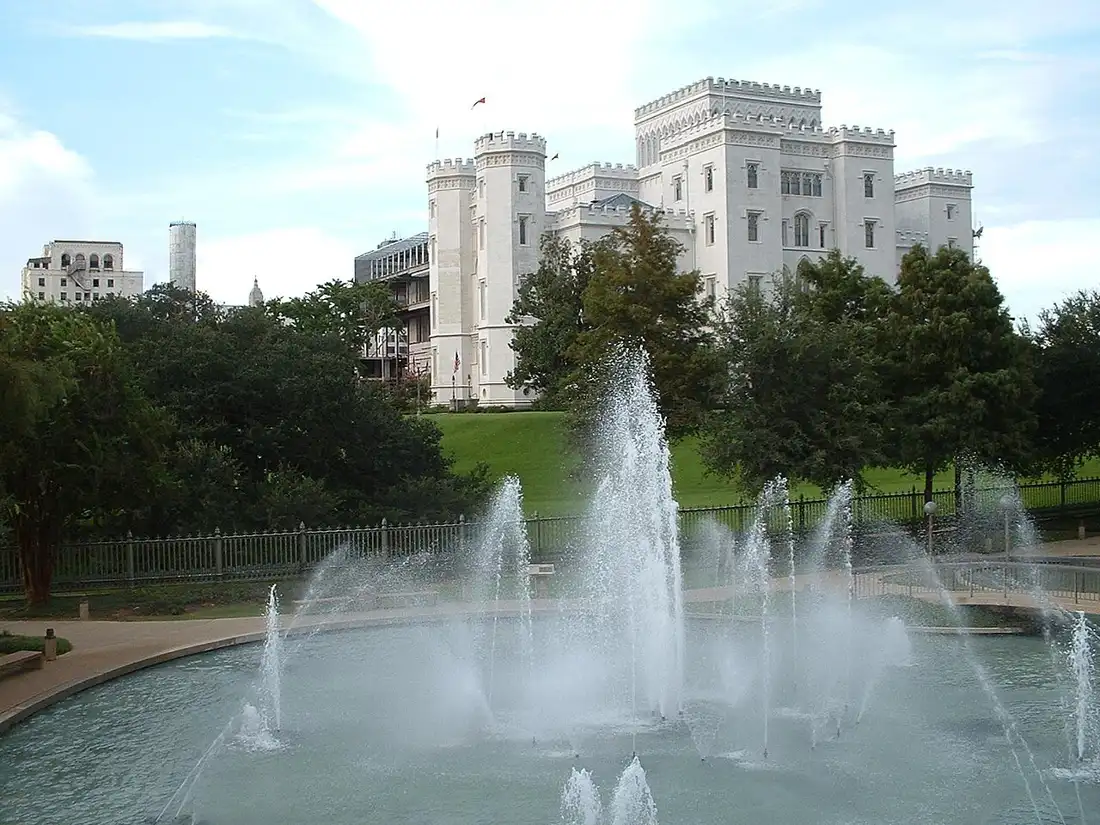 Downtown Baton Rouge
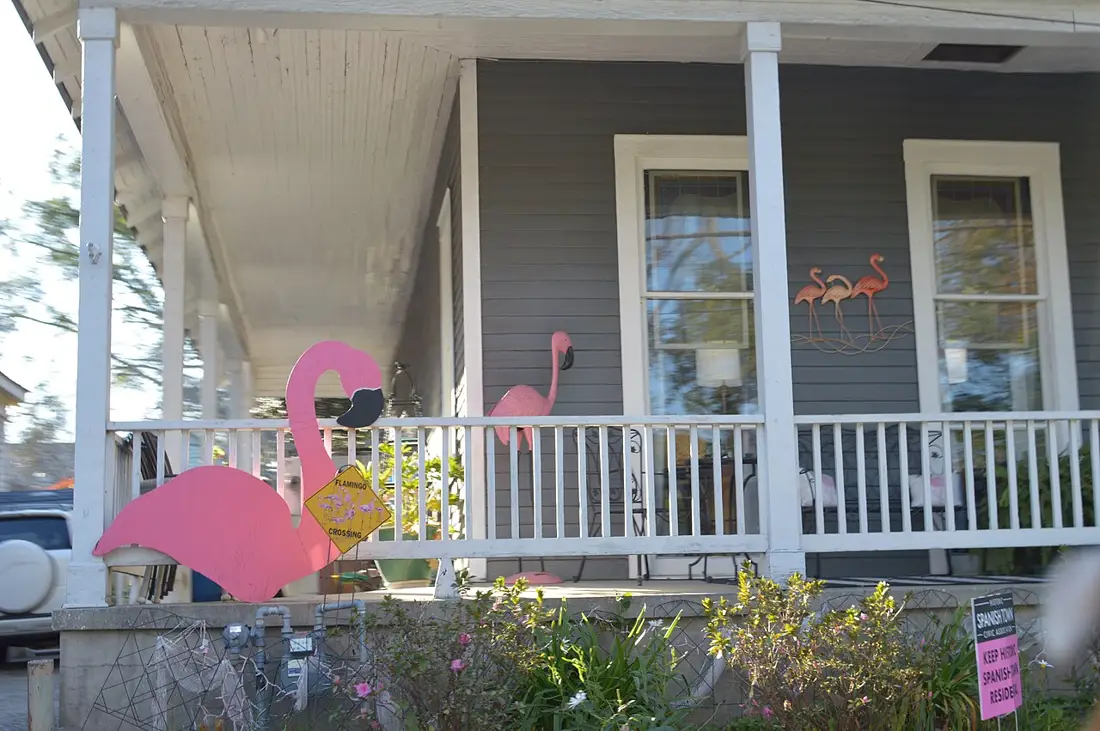 Spanish Town
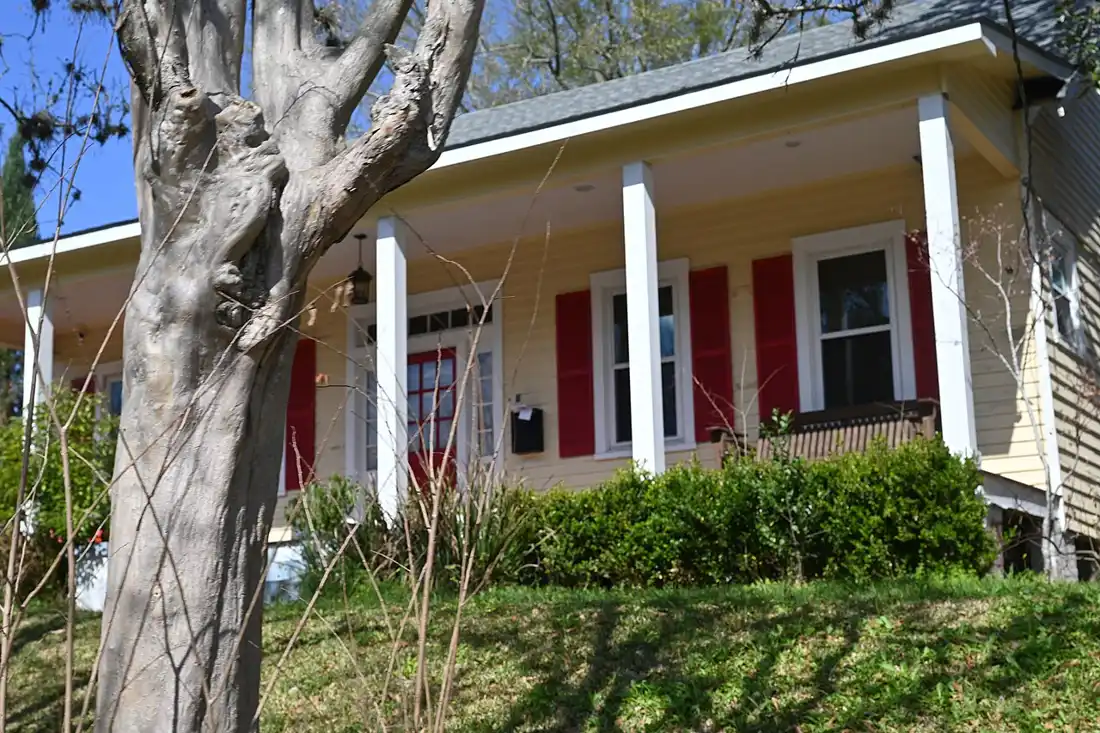 Beauregard Town
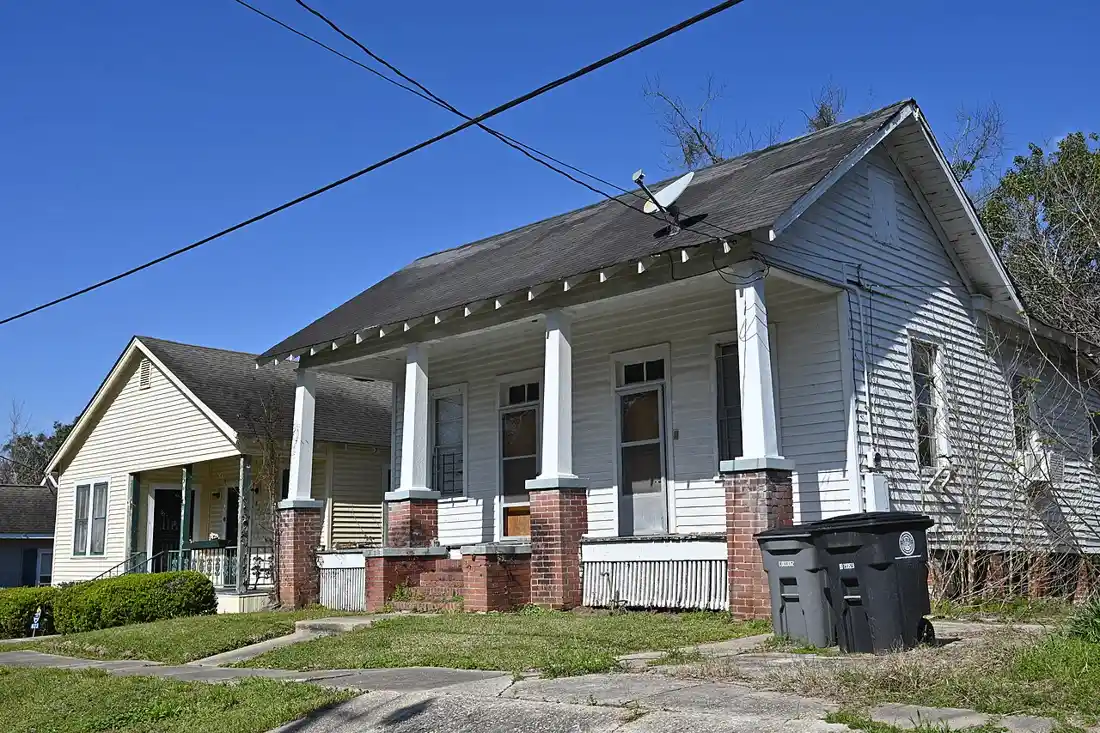 Garden District
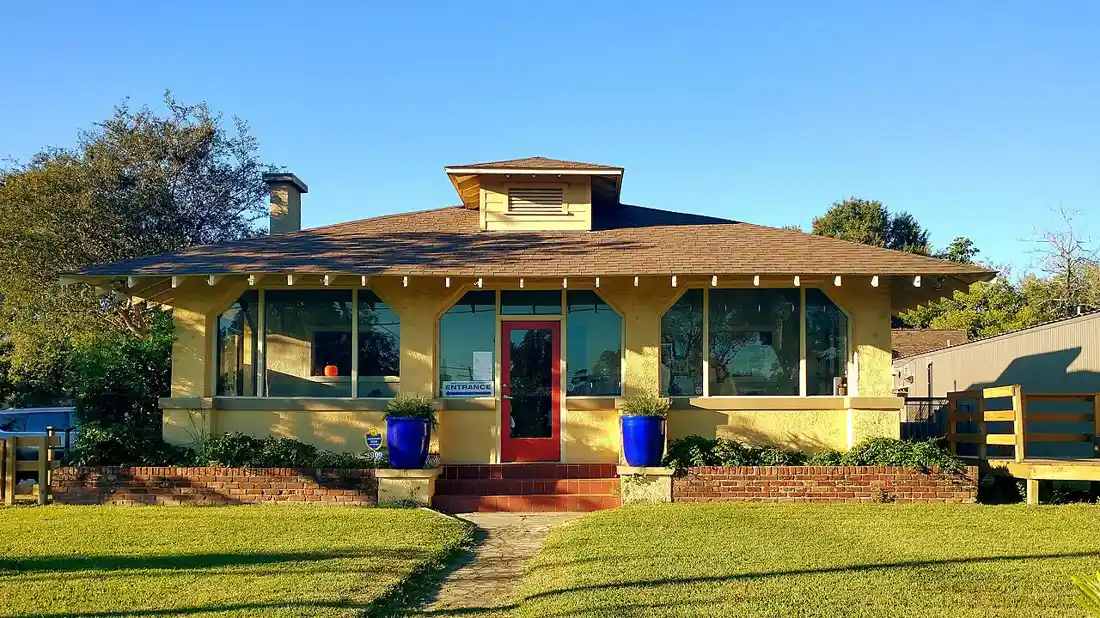 Mid City
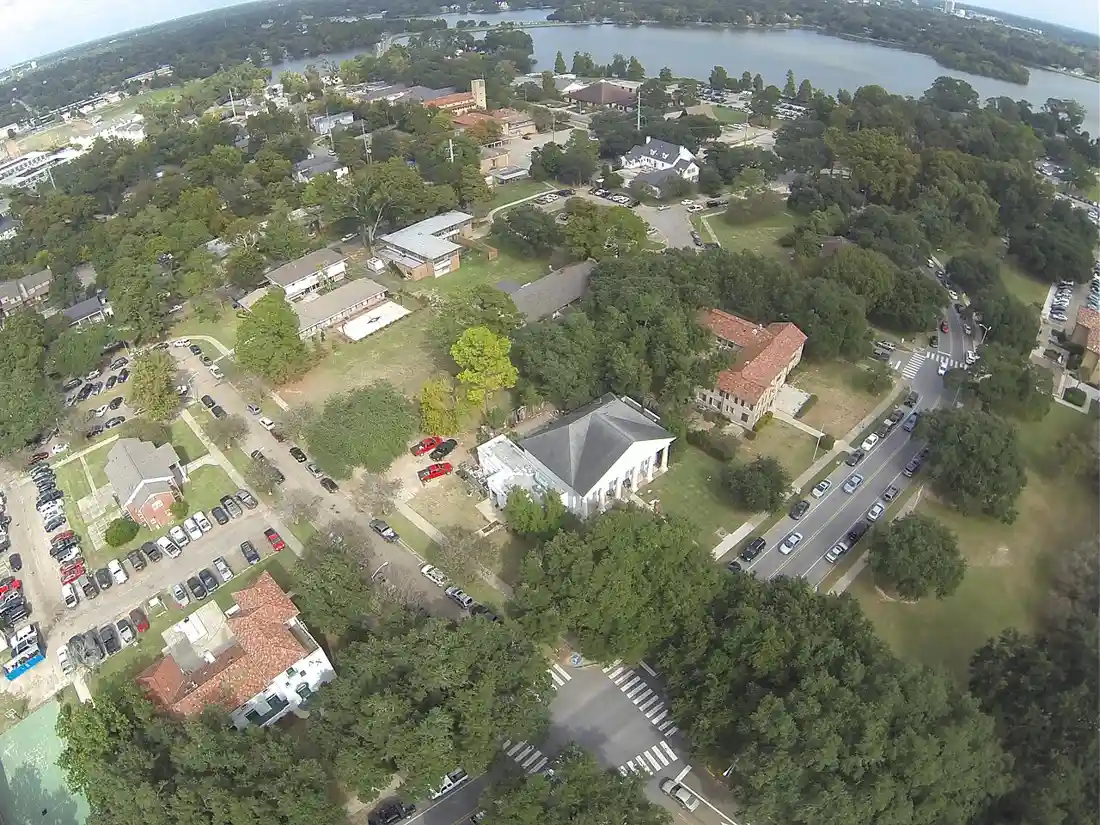 LSU & University Lakes
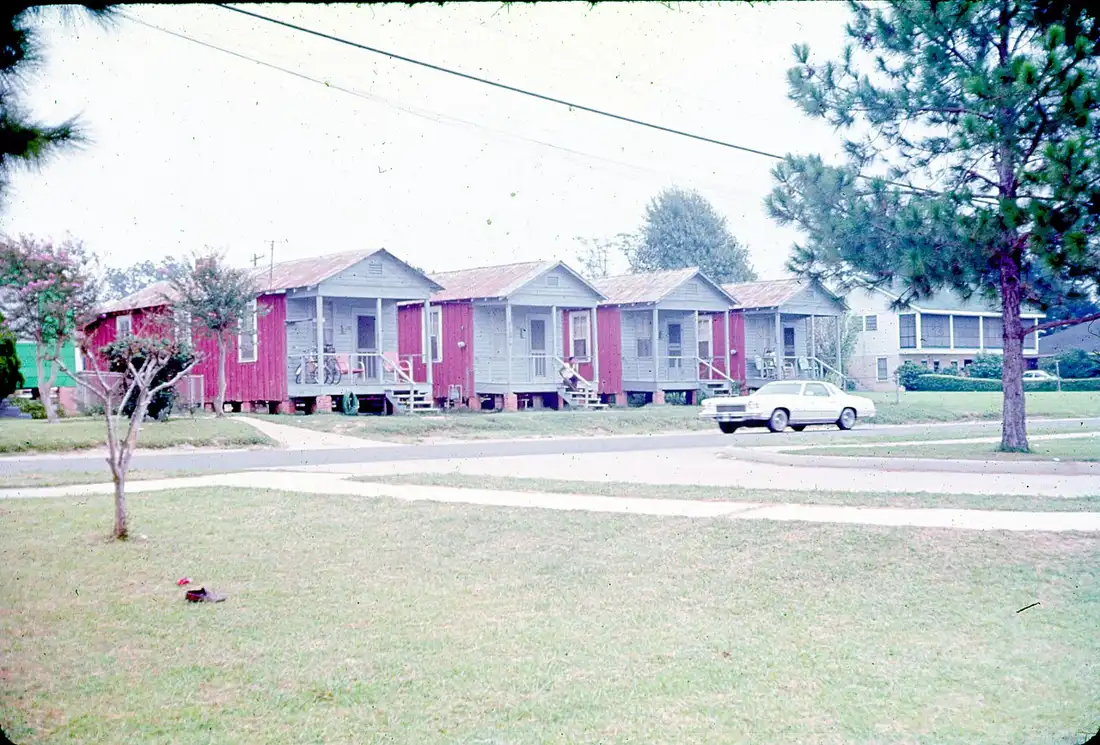 Southdowns
 Burbank & Highland Road
Dead Tree Removal runs across the whole service map: Downtown Baton Rouge, Spanish Town, Beauregard Town, the Garden District, Mid City, LSU & the Lakes, Southdowns, Kenilworth, Goodwood and Tara; Broadmoor, Sherwood Forest, Jefferson Terrace, the Medical District, Bocage and Bluebonnet; Shenandoah and Old Jefferson to the east; and beyond in Denham Springs, Prairieville, Central, Zachary, Baker, Scotlandville, Port Allen and Brusly-Addis. One call covers all of it - the local pages above carry the detail for each. If your street is not named here, call anyway: routes grow with demand, and most East Baton Rouge, Livingston and Ascension Parish addresses are already within reach of a scheduled run.
Whole neighborhoods of Baton Rouge water oaks are declining at once and owners do not know if theirs is next. Water oaks live fast and age early: heavy limbs, interior decay and short lifespans mean the 1960s plantings are in their risk years together.
Read the GuideRemoval quotes vary wildly for 'the same tree' and homeowners cannot tell an honest number from a guess. Cost is built from measurable factors: size, species and wood weight, condition, what stands under the tree, access, method, and the stump and disposal choices.
Read the GuideA thinning tree might be stressed and saveable - or dying on the inside while the crown still looks passable. Read the evidence in order: crown dieback pattern, bark and trunk clues, fungal fruiting, root-zone history, and how fast the changes are moving.
Read the GuideWhere its failure cannot reach a target - deep in acreage, away from paths, lines and fences - a snag is a genuine ecological asset, and arborists say so. The assessment is purely geometric: draw the tree's height as a circle around it, and see what the circle touches. Inside a subdivision, the circle almost always answers no.
Wood softened by decay fungi until it crumbles like cork - the end stage of the brittleness curve. Punky wood cannot hold a rigging anchor, a hinge or a climber's gaffs, and it can fail under its own weight in wind. Finding punk at the base or unions is what moves a removal from climbing to mechanical methods.
Yes - calm-weather failure is a signature of advanced decay: the load that finally breaks the wood is its own weight, rearranged by time. Limbs dropping on still days, then whole tops, then the trunk - the sequence is the tree dismantling itself on its own schedule, which no one gets to negotiate.
For lawn and replanting, yes - and where the tree died of a root disease, grinding out the stump and major roots removes inoculum the replacement tree would meet. The grinding conversation therefore includes the cause of death: the stump is evidence and, sometimes, a reservoir.
It is dangerous on a curve, not a date: risk rises as decay travels, fastest in pines and slowest in live oaks, and a storm can cash the whole curve in one night. The practical rule: any dead tree within reach of a house, drive or street belongs on the removal schedule the season it dies, with the reading setting its place in line.
The scratch test (green cambium under the bark), flexible buds and twigs, and the neighborhood comparison - are its same-species neighbors leafed out? - settle most cases. Stressed trees leaf late, thin or small; dead trees show brittle twigs, sloughing bark and no green anywhere. When money rides on the answer, the arborist's visit settles it properly.
Method. A newly dead tree can be climbed and dismantled efficiently; a brittle one needs a lift or crane, smaller pieces and slower work throughout - more equipment and more hours on the same trunk. The difference is the market pricing the physics honestly.
Sometimes knowable, sometimes not: root disease, flooding, lightning, construction damage and vascular diseases each leave signatures the reading looks for. Where the cause is contagious or environmental - a shared root disease, standing water - the answer protects the rest of the yard, which is reason enough to ask the question before the stump is ground.
One call connects you with a tree professional serving Baton Rouge and the surrounding Capital Region communities - removal, trimming, stump grinding, storm cleanup and arborist care.
📞 Call Now