Dead Tree Removal in Central
Dead Tree Removal for Central homes - local conditions, a clear process, and one call to get it started.
The first five minutes of a visit in Central are all looking - crowns, unions, roots, lean - because looking is what makes the rest of it work.
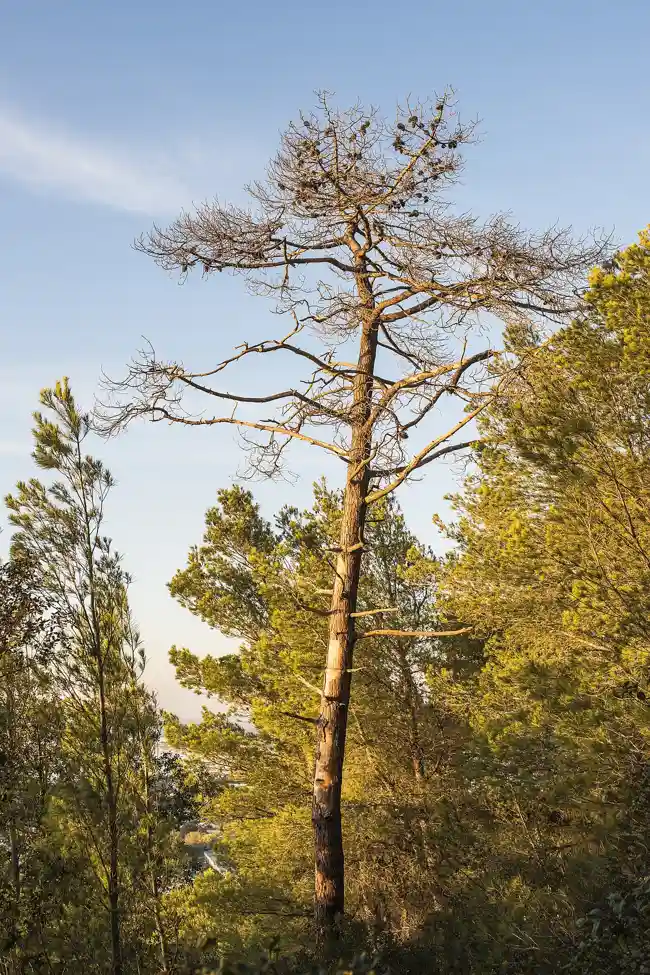
This page covers how to read a dead tree's urgency - species, time since death, what stands under it - how removal methods adapt to brittle wood, and the diagnostic step that comes first: making sure the tree is actually dead, because every year someone nearly removes a dormant oak or a slow-leafing pecan.
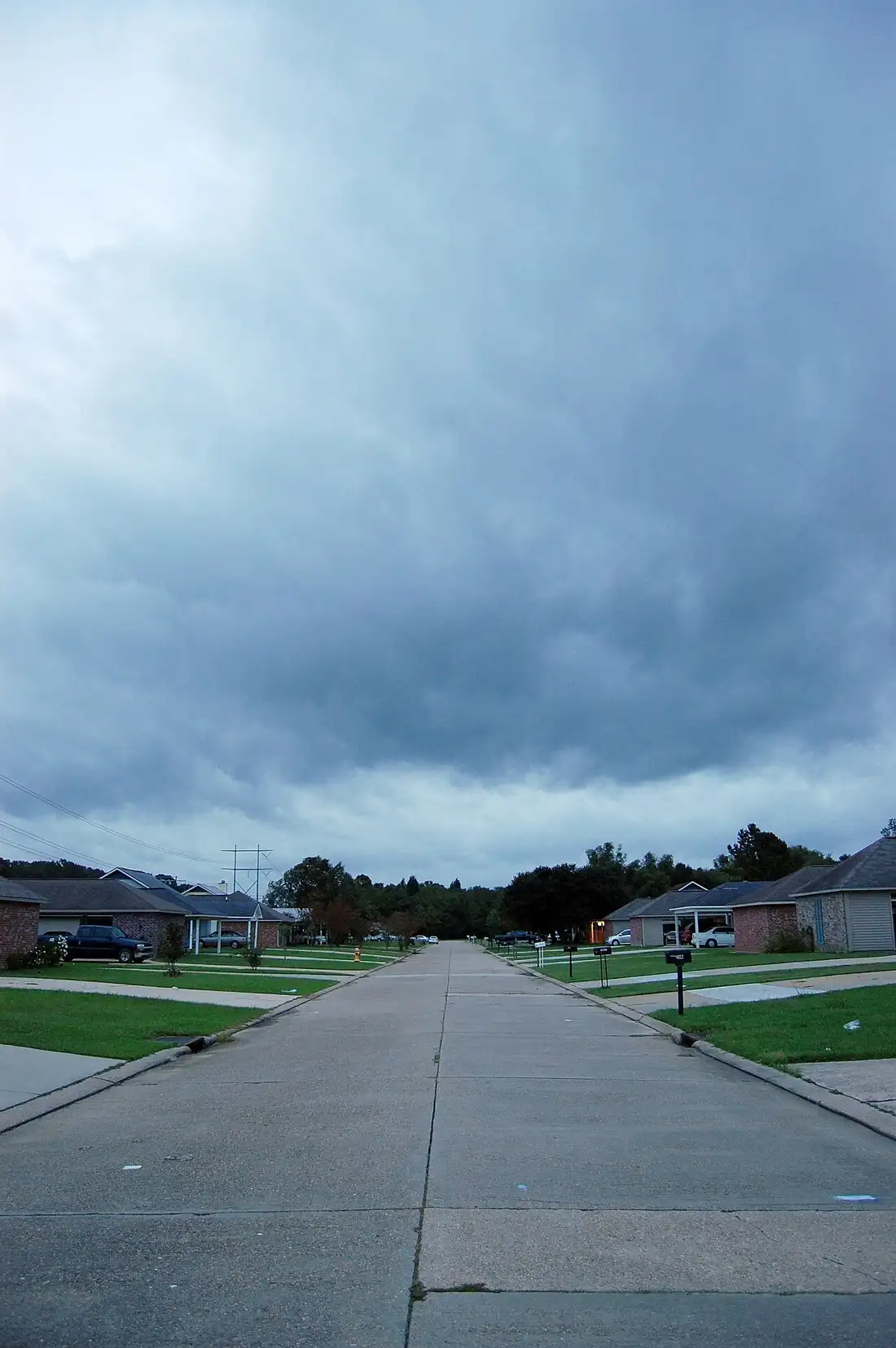
Central incorporated as its own city in 2005 and keeps a semi-rural character inside the parish - larger lots, woods between subdivisions, and a community that took heavy water in 2016 along the Comite River.
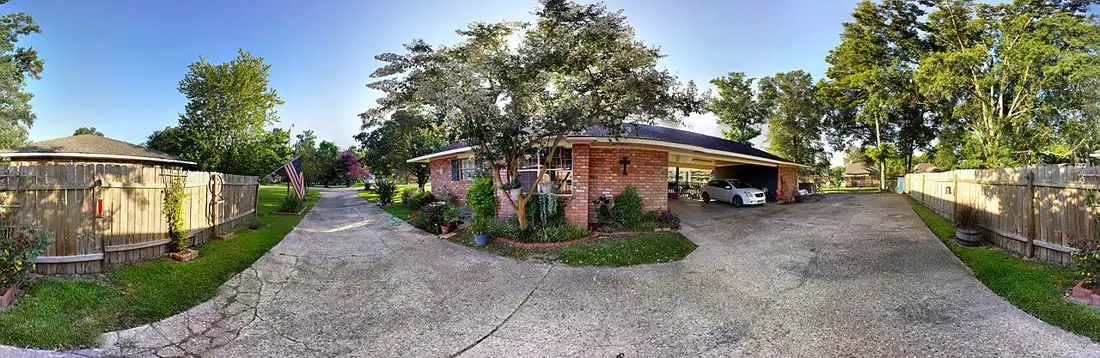
Local conditions shape the work here. Subdivisions mixed with acreage homes and wooded lots, many properties with native canopy kept at build-out - and that shapes the tree work directly. Central's lots kept their trees, which now means mature native canopy over homes that were built under it: oaks and pines at full size, root zones crossed by a decade of driveways and pools. For dead tree removal in Central, the decay stage read honestly here decides the method before the method decides the price.
What the dead tree removal map of Central looks like, drawn honestly, is a set of small clusters: the streets near Sullivan Road and the Central Thruway corridor with their shared canopy, the older blocks with their shared aging species, the newer plantings with their shared shortcuts. Every visit adds a tree to the map, and the map is what makes the next visit faster, sharper and cheaper to scope.
Signs Central Homes Need Dead Tree Removal
The tree died suddenly after construction or flooding
A quick death often means root death - and root death means the anchor is failing on the same schedule as the crown.
Limbs dropping in calm weather
The silent-weather limb drop is the dead tree beginning to dismantle itself - over whatever happens to be beneath at the time.
Woodpecker excavation and insect frass
The birds and borers have voted: the wood is soft enough to mine.
Why This Work Runs in Central
Dead trees also serve the ecosystem - woodpeckers, owls and a food web in every snag - and on acreage far from targets, leaving one is a legitimate, even admirable, choice. The calculus is targets: what the tree can reach when it fails. Inside a subdivision, the reach includes the neighbor's roof, which is what moves a dead tree from habitat to liability.
Central's lots kept their trees, which now means mature native canopy over homes that were built under it: oaks and pines at full size, root zones crossed by a decade of driveways and pools. The 2016 Comite flooding adds the flood-stress reading to the standard one - this is a community where the ground a tree stands in has a documented history.
In Central, that plays out street by street - and the wood's brittleness, not the calendar since death, is what chose the method. Ask the Central tree crews and they will name the same short list of streets where dead tree removal calls repeat - and the reasons are visible from the ground.
Fall brings the peak of hurricane season in September, then the long exhale: pecans drop, the storm-season damage list gets its proper repairs, and the year's planting and structural pruning window opens as growth slows. Baton Rouge trees pruned and read in the fall enter the wet winter with balanced crowns and clear targets; trees ignored carry every summer weakness into the season of saturated ground and frontal winds.
If the tree is huge, dead, or hanging over the roof and the lines, say so when you book. The visit adjusts - different equipment, maybe a crane conversation, maybe a second set of hands - and it adjusts best before the truck rolls. The same goes for septic tanks, soft ground and any tree you already suspect. Details given early are cheap; details discovered on site cost a second visit.
Rain, heat and the storm season all take their turn in Central - and each hands the trees a new set of instructions.
Homeowners in Central ask what they should do before the visit. The answer is access, not pre-work: clear the side yards and the ground under the canopy, move the vehicles, and secure the pets. The evidence should stay exactly where it is.
How Dead Tree Removal Works in Central
The full step-by-step process for this service - the reading, the scope, the work itself and follow-up - is laid out on the main Dead Tree Removal page. In Central the same sequence runs with the local map in hand: the canopy and ground around Sullivan Road and the Central Thruway corridor, the housing pattern described above, and the storm exposure this neighborhood actually carries.
The Central Angle
What makes Central different is not the tree; it is the setting - live oak shade, water oak age and sixty inches of rain, arranged by one neighborhood's geography. The buildings themselves give the first clues. Subdivisions mixed with acreage homes and wooded lots, many properties with native canopy kept at build-out.
The canopy side of the equation is just as local. Central's lots kept their trees, which now means mature native canopy over homes that were built under it: oaks and pines at full size, root zones crossed by a decade of driveways and pools. The 2016 Comite flooding adds the flood-stress reading to the standard one - this is a community where the ground a tree stands in has a documented history. Which is the whole method: read Central first, then do dead tree removal work that fits what the reading found.
Central does not sit alone on the map. It weathers the same storms as Zachary, Baker and Denham Springs - the same cells cross the metro, the same trees age into the same systems, and the same seasons move through all of them within the same few weeks. The borders on the map are postal, not meteorological - the weather commutes freely, so the tree work has to think in neighborhoods, not addresses.
On the route map, Central sits in the city in east baton rouge parish group, ZIP 70818 - close enough to Zachary, Baker that crews work them on the same runs. Which means dead tree removal here is scheduled with the neighborhood's pattern in mind, not dropped into it cold.
Expect the dead tree removal conversation in Central to include the word 'watch' as often as the word 'fix'. A sound tree with two items under watch is a normal, healthy outcome - the watch list is what separates canopies that are managed from canopies that are merely not falling yet. The crash is the last stage of a process the watch list catches at the first.
Prevention That Helps in Central
- Never 'wait and see' through a second leafless season; see the reading instead.
- Keep dead trees' fall zones clear of new plantings, playsets and parking while removal is pending.
- Diagnose decline while the tree is alive - a saveable tree saved is worth ten removals done well.
Subdivisions mixed with acreage homes and wooded lots, many properties with native canopy kept at build-out.
Keep Exploring
Dead Tree Removal nearby:
- Dead Tree Removal in Zachary
- Dead Tree Removal in Baker
- Dead Tree Removal in Denham Springs
- Dead Tree Removal in North Baton Rouge
More services in Central:
- Tree Services in Central
- Tree Trimming & Pruning in Central
- Tree Removal in Central
- Tree Cutting & Sectional Dismantling in Central
See the full tree services page for Central and the Dead Tree Removal overview for Baton Rouge.
Dead Tree Removal in Central - Questions
Why does removing a long-dead tree in Central cost more than a fresh one?
Method. A newly dead tree can be climbed and dismantled efficiently; a brittle one needs a lift or crane, smaller pieces and slower work throughout - more equipment and more hours on the same trunk. The difference is the market pricing the physics honestly.
How long can a dead tree stand in Central before it becomes dangerous?
It is dangerous on a curve, not a date: risk rises as decay travels, fastest in pines and slowest in live oaks, and a storm can cash the whole curve in one night. The practical rule: any dead tree within reach of a house, drive or street belongs on the removal schedule the season it dies, with the reading setting its place in line.
Does Dead Tree Removal in Central cover the streets near Sullivan Road and the Central Thruway corridor?
Yes - the blocks around Sullivan Road and the Central Thruway corridor are part of this page's map, along with the rest of Central. The landmark is named here because it anchors the neighborhood's pattern: the canopy and ground around it shape where the work concentrates.
A Tree Down, Leaning, or Dropping Limbs Over the Roof?
One call connects you with a tree professional serving Baton Rouge and the surrounding Capital Region communities - removal, trimming, stump grinding, storm cleanup and arborist care.
📞 Call Now