Tree Cutting & Sectional Dismantling in Zachary
Zachary is the parish's northern small city - top-rated schools, a genuine Main Street, and a small-town canopy of oaks over older neighborhoods, with new subdivisions spreading at its edges.
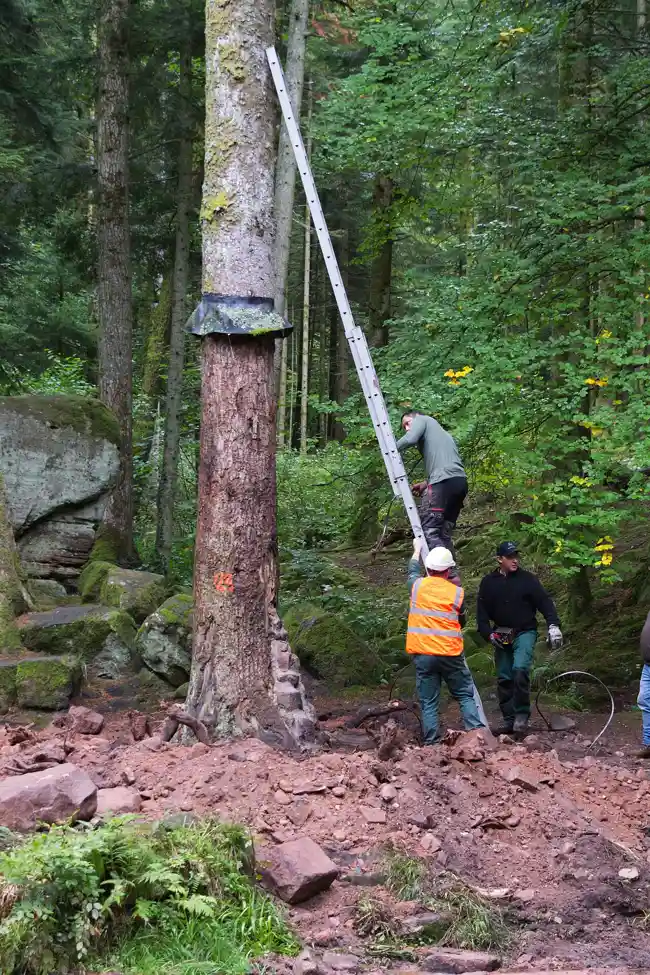
Tree cutting in Baton Rouge - sectional dismantling of trees in tight yards, over roofs and fences, where a tree cannot be felled whole and every piece must be cut, lowered and landed on a plan.
The ground finishes the argument. The old city sits on loess bluffs above the Mississippi - the first high ground upriver from the Gulf - while the suburbs east and south spread across flat, heavy alluvial soils that saturate in the long rains. A saturated root plate in heavy soil lets go in wind that a dry-rooted tree would shrug off, which is why the same hurricane drops trees on one street and spares the next: soil and drainage are part of every tree's real condition here.
August 2016 taught the region what its water can do. When the Amite and Comite rivers rose, Denham Springs and the eastern parishes flooded street by street - and trees that stood in water for days came out of it stressed, root-damaged and slow to show it. Flood stress, drought stress (the dry fall of 2023 killed stressed trees across the region), lightning, and construction damage all write themselves into a tree years before the tree falls. Reading that handwriting early is most of what an arborist sells.
Any tree whose fall zone is fully occupied by things worth keeping is a dismantling candidate by definition.
A tree boxed in by structures on three sides cannot be felled in any direction - it comes down vertically, in pieces.
Where no machine can reach, the climbing crew is the machine: everything is cut small enough to carry, which is a plan of its own.
A lean into the fall zone forbids felling and complicates rigging - the dismantling plan starts from the lean, not despite it.
A dead pine between two houses cannot be climbed safely at full height - the cutting plan may shorten the tree by other means first.
Precision cutting extends below the saw work: beds, irrigation and plantings around the tree set the protection plan for the whole job.
Baton Rouge's lot geometry wrote this service. The postwar subdivisions planted trees at the back fence and built pools, patios and additions toward them for fifty years; the infill neighborhoods fit houses between heritage oaks; the new subdivisions plant at distances that become dismantling problems in twenty years. Open felling space is the exception in this metro, not the rule.
The species sharpen it. A water oak's brittle dead top cannot be climbed the way a sound live oak can; a pine's straight, limbless trunk is a different rigging problem from a magnolia's dense low crown. Sectional work is species work - the plan reads the tree's structure and brittleness before it reads the yard.
Ground and season finish the plan. Saturated soil forbids heavy equipment and turns landings soft; a landing zone that works in January can be a bog in August. Local crews plan the dismantle around the yard's actual condition on the week of the work, not the week of the quote.
Spring is Baton Rouge's growth flush: live oaks drop and replace their leaves in a few March weeks, water oaks push out the canopy that shades the summer, and everything green in the city grows at its fastest rate of the year. It is also the honest inspection season - new growth shows exactly where last year's damage lives, dead branches stand bare against the new leaves, and a tree's real structure can be read before the summer canopy hides it and the hurricane season tests it.
Fall brings the peak of hurricane season in September, then the long exhale: pecans drop, the storm-season damage list gets its proper repairs, and the year's planting and structural pruning window opens as growth slows. Baton Rouge trees pruned and read in the fall enter the wet winter with balanced crowns and clear targets; trees ignored carry every summer weakness into the season of saturated ground and frontal winds.
Baton Rouge winters are mild and wet - long frontal rains that keep the low ground saturated for weeks, with the deciduous canopy bare enough to read completely. Winter is structure season for tree work: without leaves, weak unions, cracks, cavities and crossing limbs are all visible, pruning cuts heal at the right pace into spring, and the hurricane-season plan for each tree can be set before the growth flush buries the evidence again.
Sectional dismantling is a conversation between three people conducted mostly in signals: the climber who reads the wood, the ground lead who manages the ropes, and - where one is present - the crane operator who owns the load. The system works because every piece's weight is known before it is cut, every rope's path is clear before it is loaded, and every person in the drop zone's geometry knows where the piece will go. When homeowners watch a good dismantle and say it looked slow, they are watching the safety system operate at its design speed.
The physics being managed are unforgiving: a descending section accelerates, a rope stretches, a swing amplifies. Rigging calculations therefore run with wide margins - working loads kept to a fraction of rated strength, shock loads avoided by technique rather than absorbed by equipment. It is engineering conducted in a tree, at height, in Louisiana heat - and the crews who do it daily make it look like carpentry only because the mathematics has become habit.
Choosing a crew for a tight-yard dismantle, ask how pieces will be lowered, where they will land, and what happens when the wood turns out worse than it looks. Experienced dismantlers answer with a rigging plan and a contingency, not a shrug - and they are visibly unbothered by the questions, because planning is the product being sold.
Baton Rouge grows its trees on Gulf weather: roughly five feet of rain a year, summers that run hot and saturated from May into October, and a canopy that never really goes dormant. Live oaks, water oaks, southern magnolias, pecans, loblolly pines and bald cypress all grow fast in this climate - faster than their root systems and wood strength sometimes deserve - and a fast-grown tree in a wet climate is a standing maintenance commitment, not a one-time planting decision.
The storm record is the second fact. Hurricane Gustav made a direct hit in 2008 and put much of the city in the dark for weeks under fallen trees; Isaac, Laura, Delta and Ida each took their own pass at the canopy, and every summer the afternoon thunderstorms and lightning do smaller versions of the same work. Baton Rouge tree care is therefore storm work on a schedule: the pruning, deadwood removal and risk reading that happen in the calm months decide what the violent hours find.
Height, lean, structure, what is under every section, and where pieces can be lowered and stacked - the plan is drawn before the climb.
Rigging points are chosen in sound wood above the cuts, with lowering lines run to keep every section's swing inside the plan.
Limbs, then wood, in sections sized to the landing zone - each piece cut, caught and lowered, never dropped free near a target.
Every section exits through the access the yard allows; the stump is ground as chosen and the landing area left clean.
Tight-yard cutting goes best when the property is ready for it. The owner's contributions to a smooth dismantle:
The communities around Baton Rouge share its rain and its storms - with their own twists of flood ground, pine cover and heritage canopy.
Zachary is the parish's northern small city - top-rated schools, a genuine Main Street, and a small-town canopy of oaks over older neighborhoods, with new subdivisions spreading at its edges.
Baker is the parish's quiet northern city, a residential community of established neighborhoods off Plank Road and Groom Road, with Baton Rouge's industrial north at its southern edge.
Scotlandville is one of the city's oldest Black communities, wrapped around Southern University - the largest HBCU campus in the region, sitting on the bluff where Scotland Road meets the river. Heritage oaks shade both the campus and the surrounding streets.
North Baton Rouge is the city's industrial and historic working district - refinery and plant corridors along the river, and behind them some of the oldest residential streets in the parish, where maintenance backlogs and heritage canopy stand side by side.
In the intown core and the west side - Downtown Baton Rouge, Spanish Town, Beauregard Town, Garden District, Mid City and LSU & University Lakes, Southdowns, Burbank & Highland Road, Kenilworth, Goodwood - the canopy runs from Baton Rouge's oldest heritage oaks to the mature subdivision plantings, and tree cutting & sectional dismantling follows it: deep shade and old structure on the historic streets, storm exposure along the river side, and heritage trees that ask for arborist hands.
Across the growth sides and the east - Tara, Broadmoor, Sherwood Forest, Jefferson Terrace, Essen & Medical District, Bocage and Bluebonnet, Shenandoah, Old Jefferson, Denham Springs, Prairieville, Central - sit the postwar and newer subdivision waves, the region's heaviest water-oak cohort and its fastest-growing young canopy, which together make this the steadiest tree cutting & sectional dismantling territory in the metro.
Beyond the city line, the same work runs in Zachary, Baker, Scotlandville, North Baton Rouge, Port Allen, Brusly & Addis - small cities, fast-growing suburbs and flood-plain communities where wooded lots, saturated ground and storm history add their own chapters. Every one of these area pages carries the local detail for tree cutting & sectional dismantling in that community.
Every area we serve has its own Tree Cutting & Sectional Dismantling page with local detail.
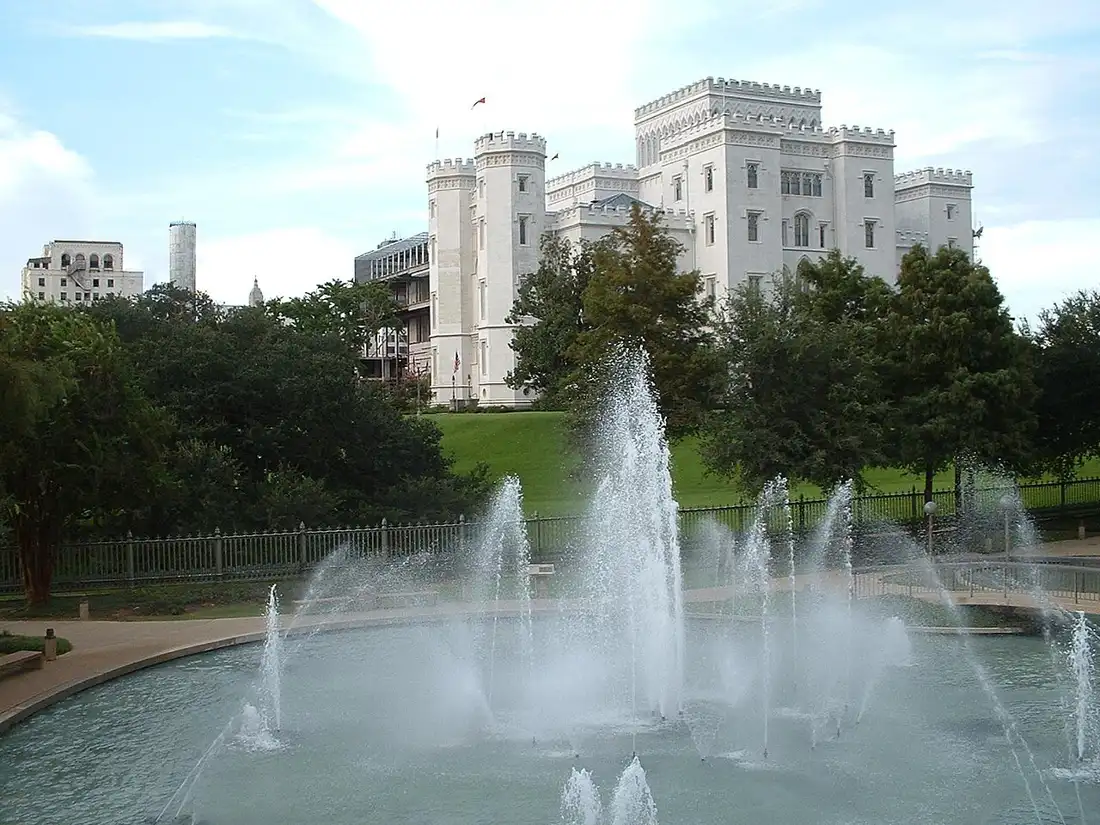 Downtown Baton Rouge
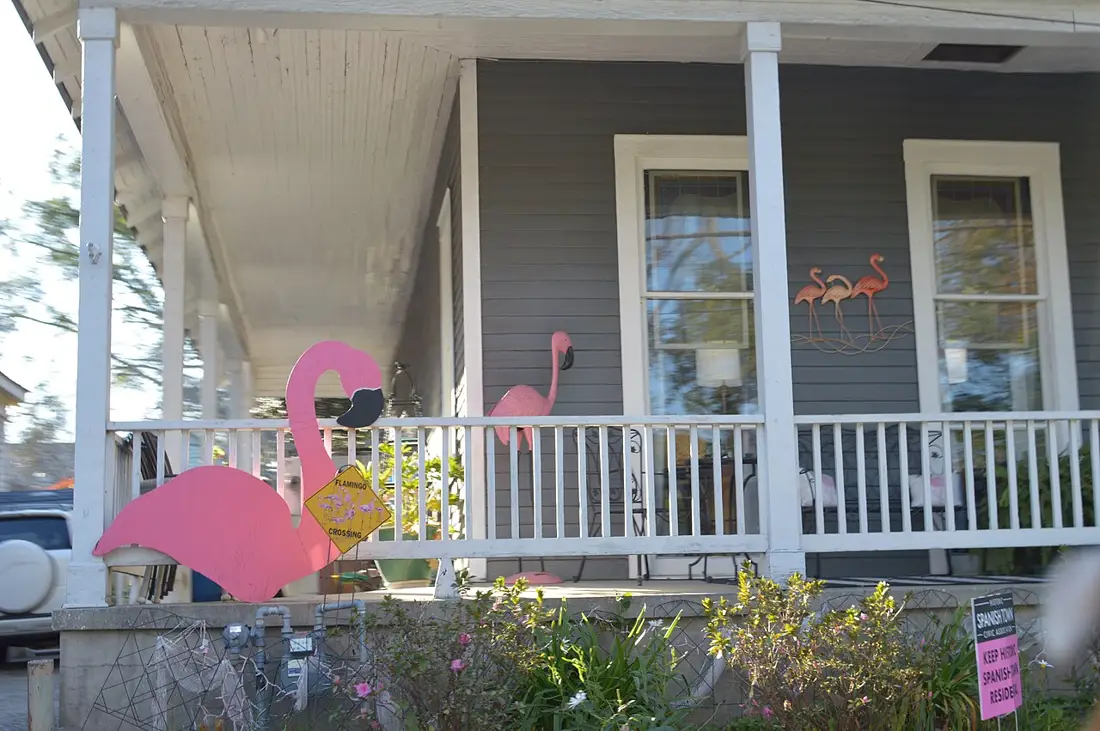 Spanish Town
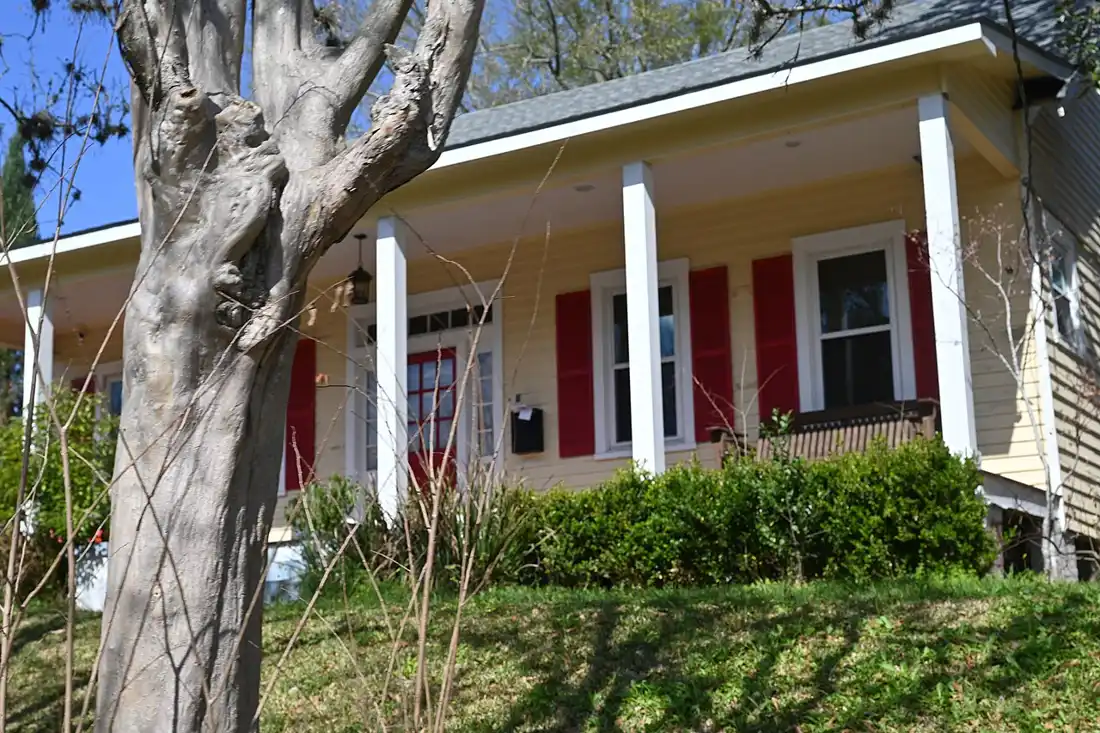 Beauregard Town
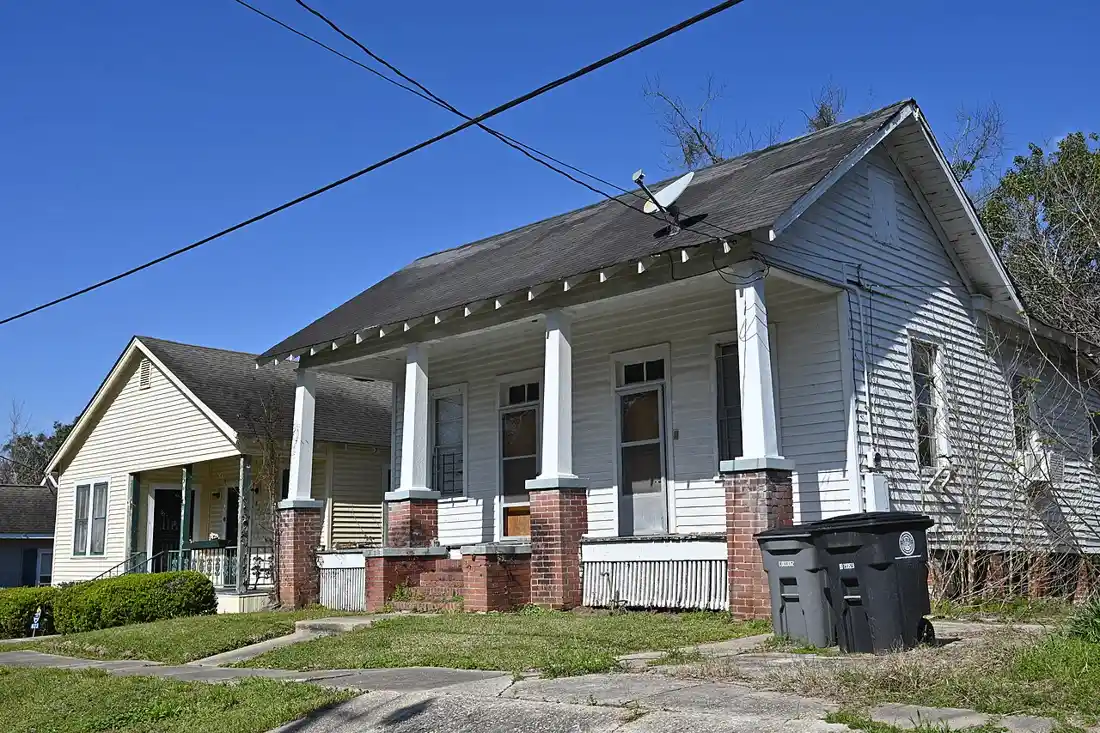 Garden District
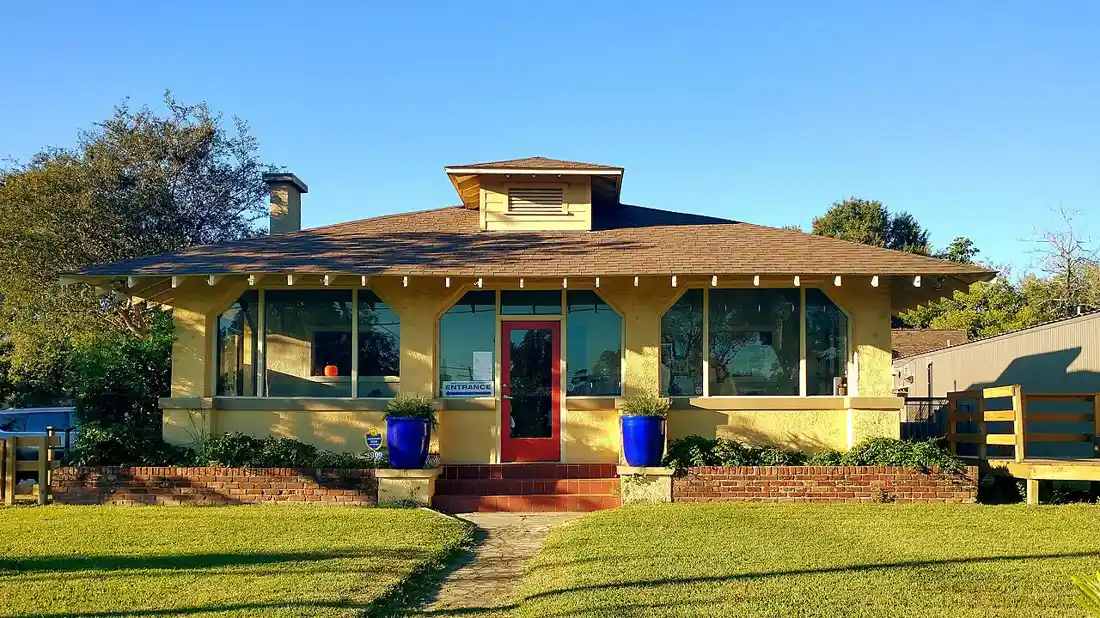 Mid City
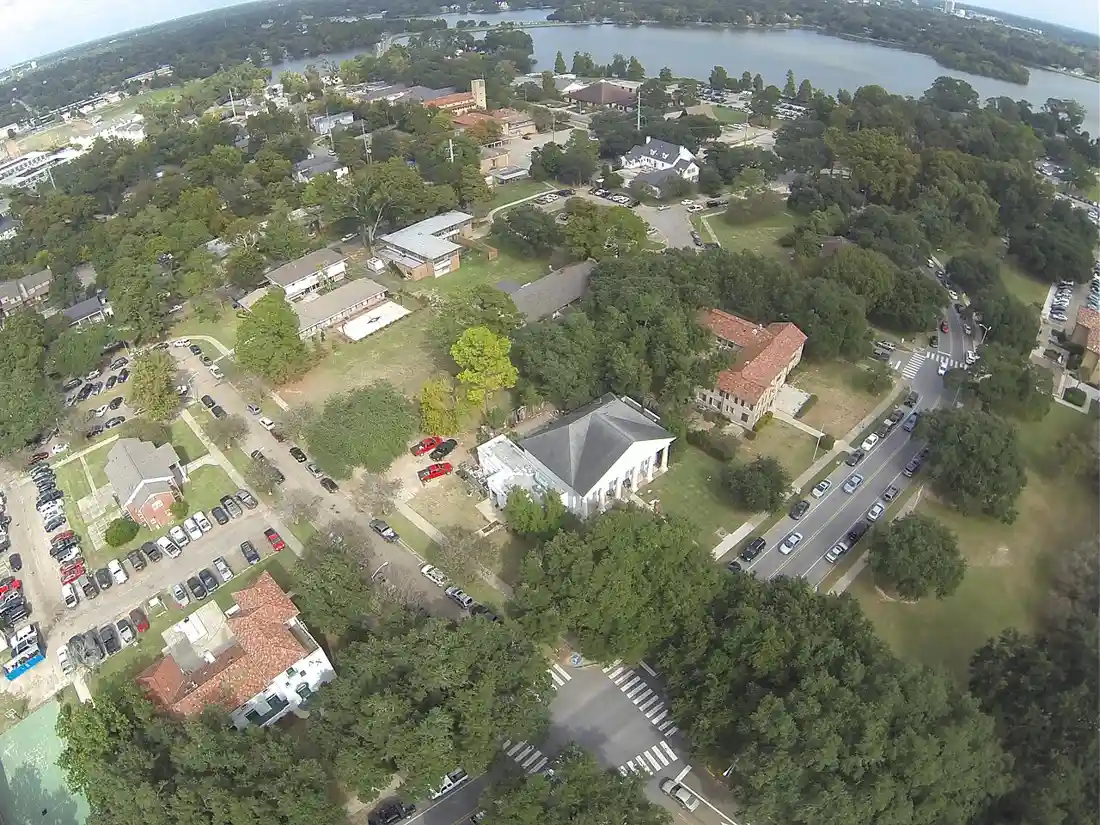 LSU & University Lakes
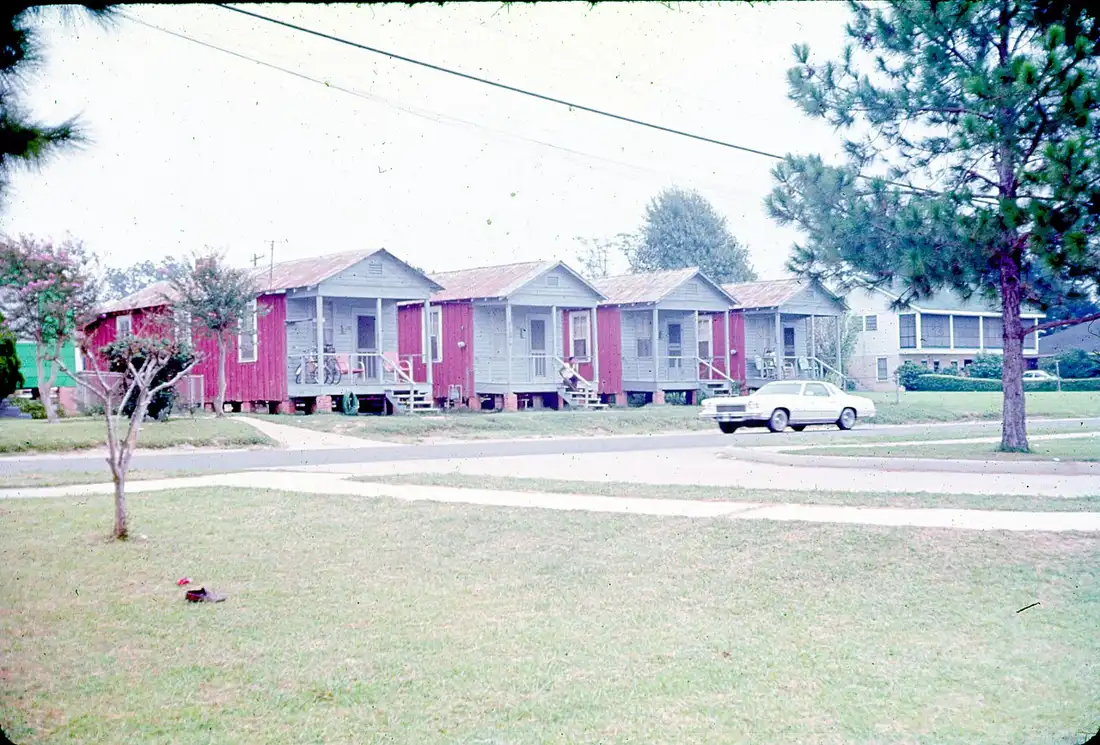 Southdowns
 Burbank & Highland Road
Tree Cutting & Sectional Dismantling runs across the whole service map: Downtown Baton Rouge, Spanish Town, Beauregard Town, the Garden District, Mid City, LSU & the Lakes, Southdowns, Kenilworth, Goodwood and Tara; Broadmoor, Sherwood Forest, Jefferson Terrace, the Medical District, Bocage and Bluebonnet; Shenandoah and Old Jefferson to the east; and beyond in Denham Springs, Prairieville, Central, Zachary, Baker, Scotlandville, Port Allen and Brusly-Addis. One call covers all of it - the local pages above carry the detail for each. If your street is not named here, call anyway: routes grow with demand, and most East Baton Rouge, Livingston and Ascension Parish addresses are already within reach of a scheduled run.
Whole neighborhoods of Baton Rouge water oaks are declining at once and owners do not know if theirs is next. Water oaks live fast and age early: heavy limbs, interior decay and short lifespans mean the 1960s plantings are in their risk years together.
Read the GuideHomeowners inherit live oaks older than the city around them with no idea of their lifespan or what it depends on. A live oak in good ground can live for centuries - Baton Rouge's oldest were mature before Louisiana was a state - and its longevity is mostly soil, space and restraint.
Read the GuideA thinning tree might be stressed and saveable - or dying on the inside while the crown still looks passable. Read the evidence in order: crown dieback pattern, bark and trunk clues, fungal fruiting, root-zone history, and how fast the changes are moving.
Read the GuideWhere a yard or lot genuinely gives a full fall zone - some acreage properties, new clearings, rural edges - felling is the efficient method and crews use it gladly. Inside the city's subdivisions it is the rare exception. The reading's first job is simply to measure which world your tree lives in.
The ropes, blocks, slings and friction devices that let a crew catch a cut section and lower it under control. Negative rigging catches a piece that drops below its cut before the line takes it; positive rigging lifts or holds it above. The terms matter less than the planning: every catch is calculated, not improvised.
Because the tree cannot be trusted to hold the climber: advanced trunk decay, a dead brittle crown, or storm damage that has left the structure unpredictable. A refusal is the professional system working - the alternatives are crane work or cutting the tree down to climbing height by other means, and both are safer conversations.
Sized to the landing zone and the rigging - limbs in manageable lengths, trunk wood in rounds the ground crew can move. Over a roof or pool the pieces shrink; with a crane they grow to whole sections. Sizing is the plan made visible: small pieces are not inefficiency, they are control.
Taking a tree down in roped sections instead of felling it whole. A climber works from the top, cutting pieces small enough to lower on lines into the yard's safe zone. It is how trees over roofs, pools and fences come down without the fall ever being uncontrolled.
When the tree cannot be climbed safely - advanced decay, a dead and brittle top - or when the sections would be too heavy or awkward to rig over the target. Crane and dismantling are partners, not rivals: the reading picks the method the tree's condition allows.
Most single trees are a day's work; the largest oaks over structures can run longer. The variables are the tree's size, its condition, the tightness of the landing zone and the carry-out distance - all visible at the reading, which is where the honest estimate comes from.
The landing zone takes the wear of the work - sections lowered onto it, foot traffic, the carry-out path. Crews protect what they can with mats and layout choices, and the scope should say what the ground will look like after. On saturated soil, expect the conversation to include timing the work for firmer ground.
One call connects you with a tree professional serving Baton Rouge and the surrounding Capital Region communities - removal, trimming, stump grinding, storm cleanup and arborist care.
📞 Call Now