Lot & Land Clearing in Central
Lot & Land Clearing for Central homes - local conditions, a clear process, and one call to get it started.
The first five minutes of a visit in Central are all looking - crowns, unions, roots, lean - because looking is what makes the rest of it work.
Underneath all three is the Baton Rouge ground truth: wet soil, drainage that must be designed rather than assumed, and disposal rules that make 'just burn it' the wrong answer almost everywhere in the metro. This page covers how a professional clearing is scoped, sequenced and finished - and what to ask before the machines arrive.
Central incorporated as its own city in 2005 and keeps a semi-rural character inside the parish - larger lots, woods between subdivisions, and a community that took heavy water in 2016 along the Comite River.
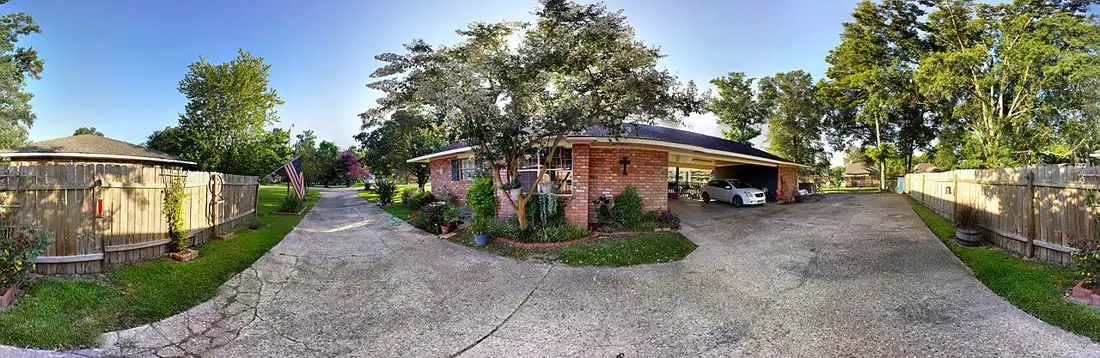
The details of the neighborhood matter for this work. Subdivisions mixed with acreage homes and wooded lots, many properties with native canopy kept at build-out - and that shapes the tree work directly. Central's lots kept their trees, which now means mature native canopy over homes that were built under it: oaks and pines at full size, root zones crossed by a decade of driveways and pools. For lot & land clearing in Central, a keep-list walked and flagged here is worth more than any machine that follows it.
What the lot & land clearing map of Central looks like, drawn honestly, is a set of small clusters: the streets near Sullivan Road and the Central Thruway corridor with their shared canopy, the older blocks with their shared aging species, the newer plantings with their shared shortcuts. Every visit adds a tree to the map, and the map is what makes the next visit faster, sharper and cheaper to scope.
Signs Central Homes Need Lot & Land Clearing
An overgrown lot you cannot walk through
Tallow and hackberry thickets, vines in every crown, and no line of sight across your own property - the classic in-town clearing call.
Invasive species have taken the canopy
Chinese tallow is the region's aggressive invader - fast, brittle and prolific.
A building or renovation footprint is drawn
The envelope decides the non-negotiables; everything outside it is a keep-or-clear judgment that should be made tree by tree, on purpose.
Why This Work Runs in Central
Water shapes the work as much as vegetation. Low Baton Rouge lots hold water; heavy clearing equipment on saturated ground ruts a lot into a pond system. Timing, matting and the drainage conversation belong in every clearing scope east of the bluffs - and the trees left standing at the wet corners are often doing drainage work the new owner will miss when they are gone.
Central's lots kept their trees, which now means mature native canopy over homes that were built under it: oaks and pines at full size, root zones crossed by a decade of driveways and pools. The 2016 Comite flooding adds the flood-stress reading to the standard one - this is a community where the ground a tree stands in has a documented history.
In Central, that plays out street by street - and the keeper trees stand flagged and fenced before the first machine rolls. Local knowledge, Central edition: the canopy, the clay and the storm calendar all vote on when this work is needed.
Spring is Baton Rouge's growth flush: live oaks drop and replace their leaves in a few March weeks, water oaks push out the canopy that shades the summer, and everything green in the city grows at its fastest rate of the year. It is also the honest inspection season - new growth shows exactly where last year's damage lives, dead branches stand bare against the new leaves, and a tree's real structure can be read before the summer canopy hides it and the hurricane season tests it.
What a good visit looks like: the crew arrives with the equipment for the tree you described, reads the whole tree before quoting, and works the cause - the decay, the lean, the root failure - rather than the symptom you happened to see. Anything that needs a follow-up is scheduled before they leave.
Rain, heat and the storm season all take their turn in Central - and each hands the trees a new set of instructions.
Do not cut anything before the visit. A fresh amateur cut over a defect buries the evidence and can turn a one-visit diagnosis into two. Photograph what you see instead - a phone photo of the crack, the lean and the base is the most useful thing you can hand a tree professional.
How Lot & Land Clearing Works in Central
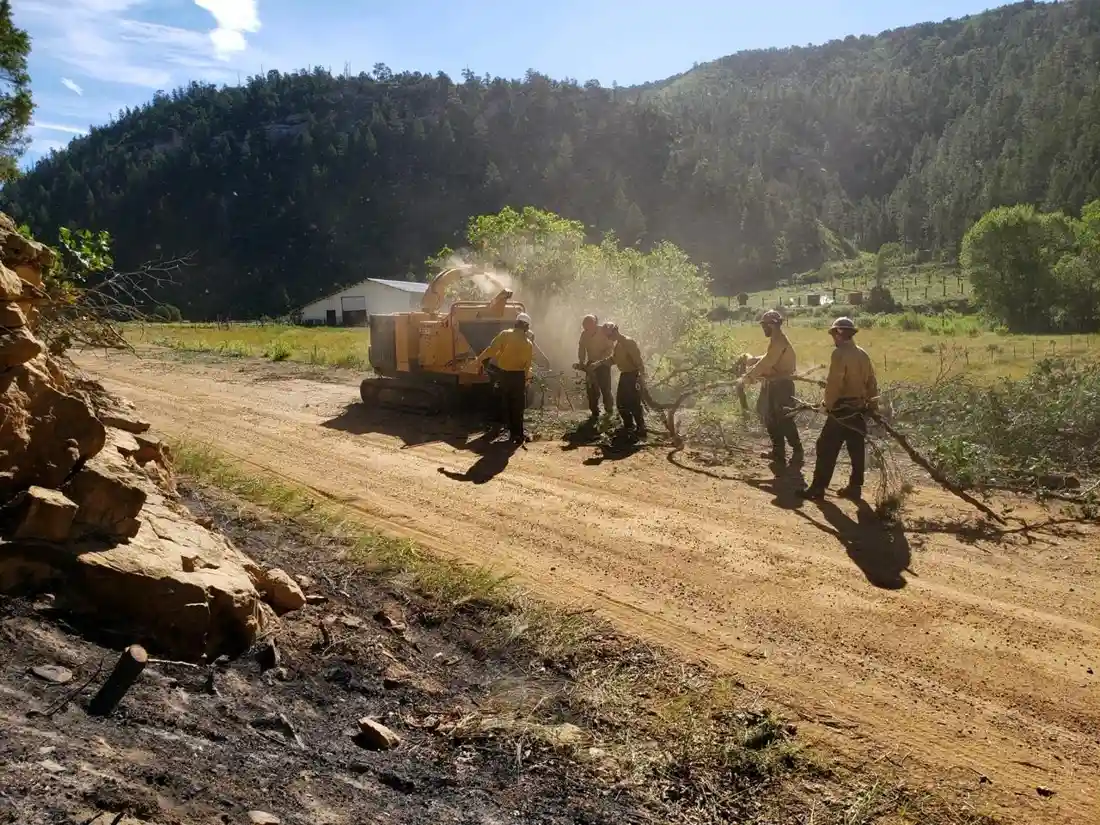
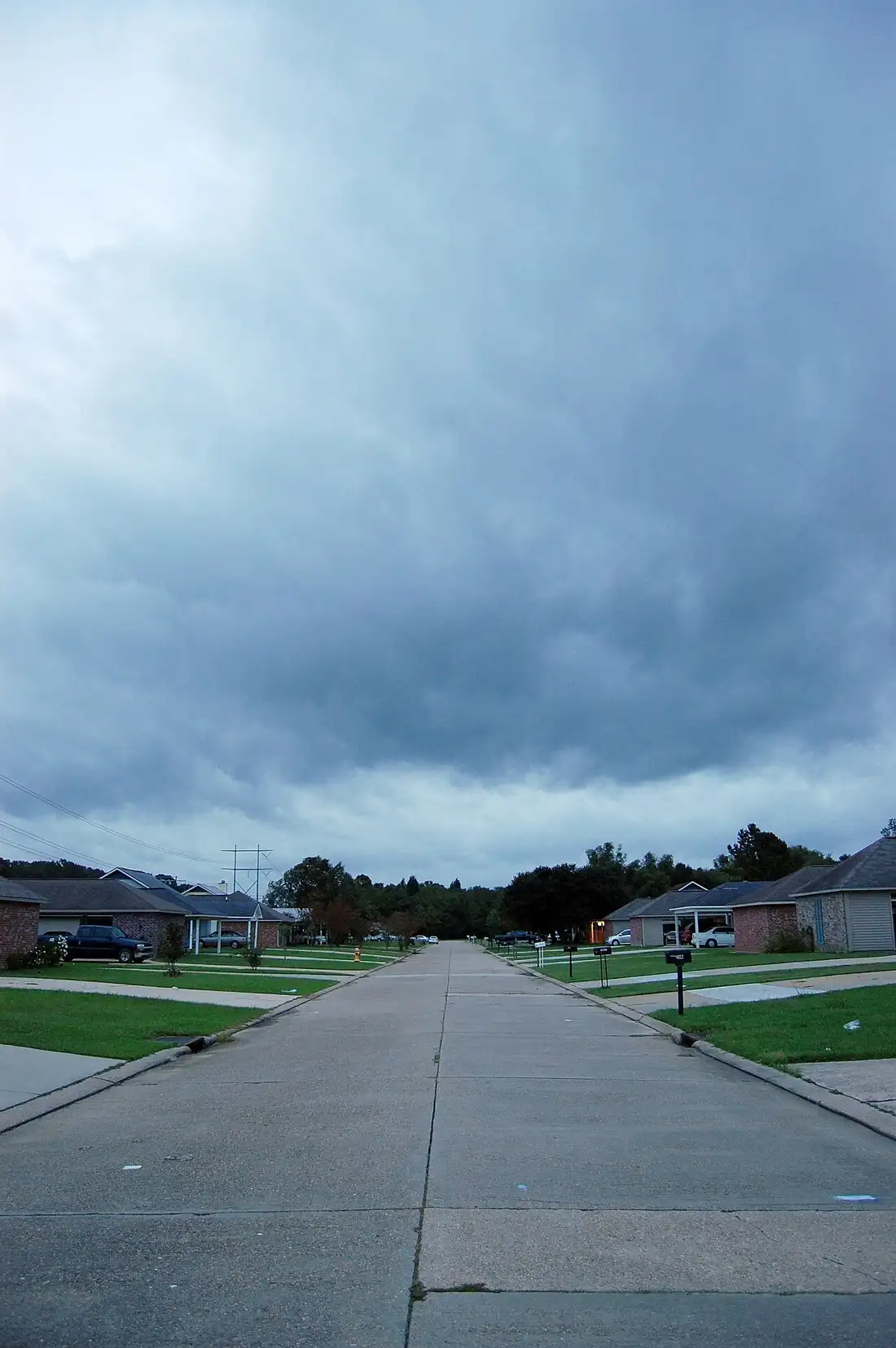
The full step-by-step process for this service - the reading, the scope, the work itself and follow-up - is laid out on the main Lot & Land Clearing page. In Central the same sequence runs with the local map in hand: the canopy and ground around Sullivan Road and the Central Thruway corridor, the housing pattern described above, and the storm exposure this neighborhood actually carries.
The Central Angle
Every neighborhood writes its own version of this work, and Central writes it around Sullivan Road and the Central Thruway corridor and the blocks that feed into it. The housing stock sets the inspection route. Subdivisions mixed with acreage homes and wooded lots, many properties with native canopy kept at build-out.
What the neighborhood planted, aged and neglected fills in the rest. Central's lots kept their trees, which now means mature native canopy over homes that were built under it: oaks and pines at full size, root zones crossed by a decade of driveways and pools. The 2016 Comite flooding adds the flood-stress reading to the standard one - this is a community where the ground a tree stands in has a documented history. So the lot & land clearing visit here is built from the block outward: structure first, roots and targets second, work matched to both.
Central does not sit alone on the map. It weathers the same storms as Zachary, Baker and Denham Springs - the same cells cross the metro, the same trees age into the same systems, and the same seasons move through all of them within the same few weeks. Read together, these neighborhoods tell one story - and this service is the chapter most of them eventually need.
On the route map, Central sits in the city in east baton rouge parish group, ZIP 70818 - close enough to Zachary, Baker that crews work them on the same runs. That local memory is the quiet advantage of route-based work in Central.
Access shapes lot & land clearing in Central more than visitors expect: eighty-foot oaks on the older streets, tight side yards on the historic ones, wooded lots and long driveways toward the edges. Mentioning height, gates, dogs and septic locations when you book is a small thing that decides whether the first visit finishes the diagnosis or schedules its own sequel.
Prevention That Helps in Central
- Keep root-protection zones honest: no parking, piling or trenching inside a keeper's drip line.
- Walk the lot for drainage after the first hard rain before building anything on it.
- Plan the regrowth fight at clearing time - mowing rhythm, mulch, or planting - not after the tallow returns.
Subdivisions mixed with acreage homes and wooded lots, many properties with native canopy kept at build-out.
Keep Exploring
Lot & Land Clearing nearby:
- Lot & Land Clearing in Zachary
- Lot & Land Clearing in Baker
- Lot & Land Clearing in Denham Springs
- Lot & Land Clearing in North Baton Rouge
More services in Central:
- Tree Removal in Central
- Tree Risk Assessment in Central
- Arborist Services & Tree Care in Central
- Storm Damage Cleanup in Central
See the full tree services page for Central and the Lot & Land Clearing overview for Baton Rouge.
Lot & Land Clearing in Central - Questions
What happens to all the cleared material in Central?
Your choice, priced in the scope: hauled off entirely, chipped into mulch left on site - useful for beds and regrowth suppression - or a mix. Timber-value wood occasionally offsets a little cost on acreage, but in the metro the honest expectation is that disposal is a cost line, not a credit.
Can clearing be done without wrecking the ground in Central?
Largely, yes - with the right equipment choices, matting on soft routes, and timing that respects the wet season. Some disturbance is inherent to the work; the difference between a professional clearing and a careless one is whether the disturbance was planned, minimized and disclosed in advance.
How does Lot & Land Clearing work around Sullivan Road and the Central Thruway corridor?
The landmark matters because it concentrates the pattern - canopy, housing styles, and the neighborhood's building era in one place. Lot & Land Clearing visits in Central read that pattern first: where the age, the water and the targets gather, the tree work follows, and the scope is drawn from it.
A Tree Down, Leaning, or Dropping Limbs Over the Roof?
One call connects you with a tree professional serving Baton Rouge and the surrounding Capital Region communities - removal, trimming, stump grinding, storm cleanup and arborist care.
📞 Call Now