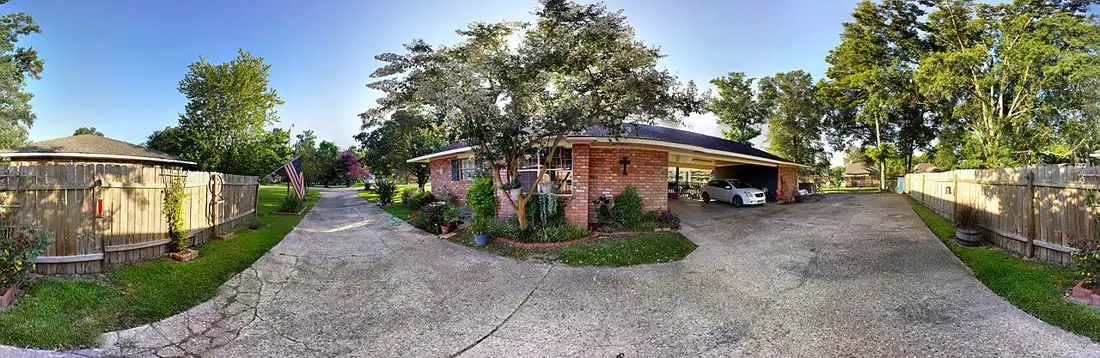
Storm Damage Cleanup in Central
Storm Damage Cleanup for Central homes - local conditions, a clear process, and one call to get it started.
Start where the problem starts in Central: in the crown, at the unions, in the blocks around Sullivan Road and the Central Thruway corridor.
The worst storm work is fast storm work done badly: surviving trees topped by whoever had a saw, split trunks left to rot, hangers missed in the crowns that 'looked fine.' A damaged tree pruned by an arborist - torn limbs cut back to sound structure, crowns rebalanced - can stand for decades. The same tree topped in the cleanup rush becomes a hazard with a five-year fuse.
Central incorporated as its own city in 2005 and keeps a semi-rural character inside the parish - larger lots, woods between subdivisions, and a community that took heavy water in 2016 along the Comite River.
The details of the neighborhood matter for this work. Subdivisions mixed with acreage homes and wooded lots, many properties with native canopy kept at build-out - and that shapes the tree work directly. Central's lots kept their trees, which now means mature native canopy over homes that were built under it: oaks and pines at full size, root zones crossed by a decade of driveways and pools. For storm damage cleanup in Central, survivors read and restored here beat a yard that was merely hauled clean.
The trees over Central live a public life: visible from the street, graded by every passerby after a downpour, gossiped about after the limb drops. The storm damage cleanup visit replaces the gossip with a read - crown, trunk, unions, roots - and the read, near Sullivan Road and the Central Thruway corridor as everywhere here, is what the work and the scope are built on.
Signs Central Homes Need Storm Damage Cleanup
Debris piles with the stump still in them
Yards cleared to the stump line still hold the grinding, the root flare and often the reason the tree fell - worth reading before the spot is replanted or turfed over.
Fallen trees and limbs across the yard
The visible half of the job - with the caution that downed trees can be under tension and tangled with fences, lines and each other in ways that punish casual cutting.
Root plates shifted but trees still standing
The storm's most dangerous survivors: trees that leaned, lifted soil, and settled back.
Why This Work Runs in Central
The 2016 flood added a chapter no other cleanup has: trees that stood in water for days did not fall - they declined, over years, in subdivisions across Denham Springs, Central and the east side. Post-flood cleanup therefore includes a standing watch: crowns read each season for the dieback that announces a root system that never recovered.
Central's lots kept their trees, which now means mature native canopy over homes that were built under it: oaks and pines at full size, root zones crossed by a decade of driveways and pools. The 2016 Comite flooding adds the flood-stress reading to the standard one - this is a community where the ground a tree stands in has a documented history.
In Central, that plays out street by street - and the survivors are read one by one before anyone calls the yard finished. What separates a good storm damage cleanup outcome in Central is rarely the equipment - it is whether the root map was finished.
Winter's other story is saturation. Week after week of frontal rain on heavy soil means the ground around a root plate is already full when the wind arrives - trees that stood firm in August can lean in January. The winter read is about roots and structure: where the water stands, how the crown is balanced, and whether the branch architecture the leaves hid all summer is sound enough for another storm season.
If the tree is huge, dead, or hanging over the roof and the lines, say so when you book. The visit adjusts - different equipment, maybe a crane conversation, maybe a second set of hands - and it adjusts best before the truck rolls. The same goes for septic tanks, soft ground and any tree you already suspect. Details given early are cheap; details discovered on site cost a second visit.
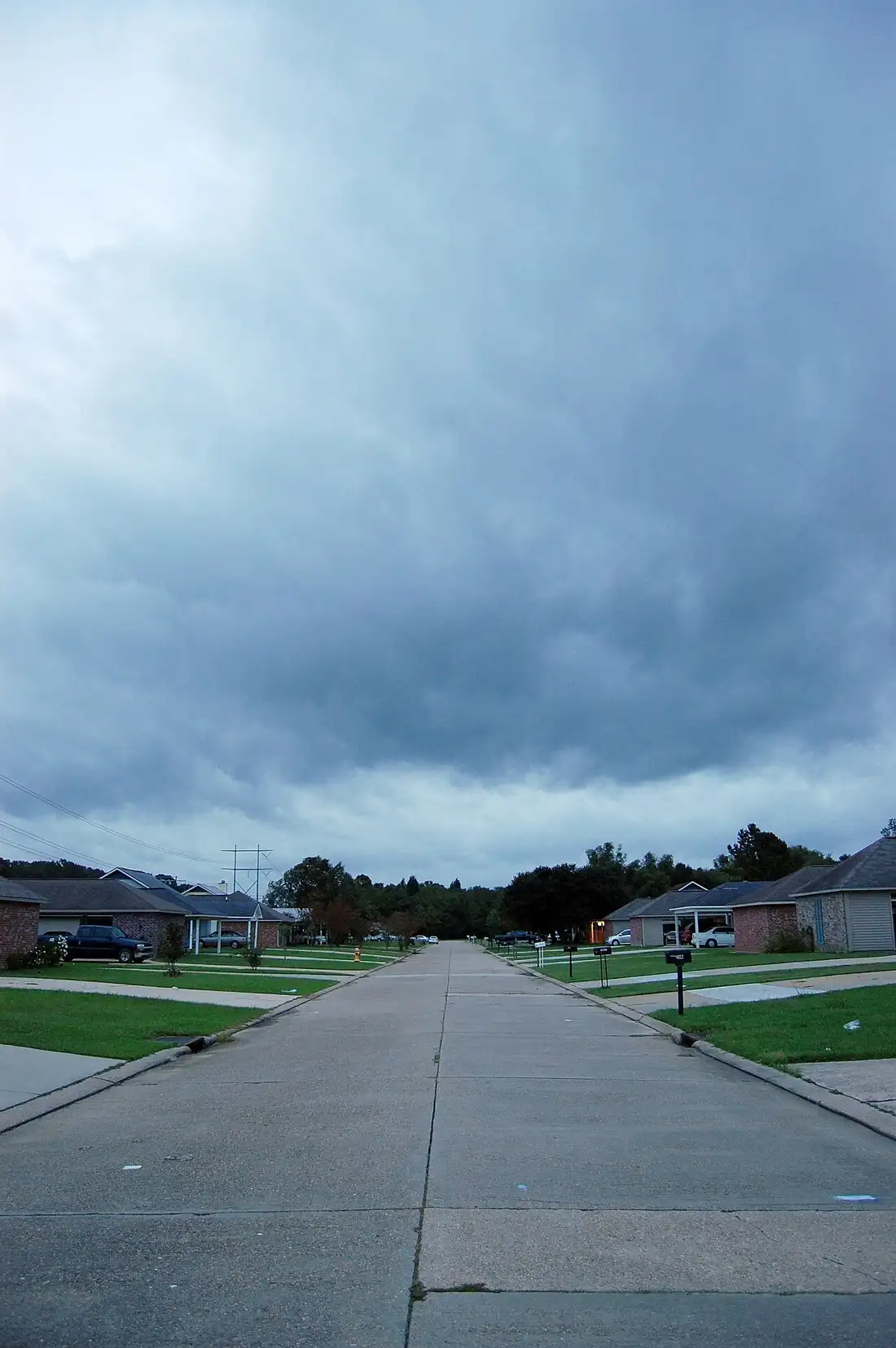
This season, the watch item in Central is the sky: every summer cell that builds over the Capital Region tests the trees below it, and the homes near Sullivan Road and the Central Thruway corridor read the results first.
Do not cut anything before the visit. A fresh amateur cut over a defect buries the evidence and can turn a one-visit diagnosis into two. Photograph what you see instead - a phone photo of the crack, the lean and the base is the most useful thing you can hand a tree professional.
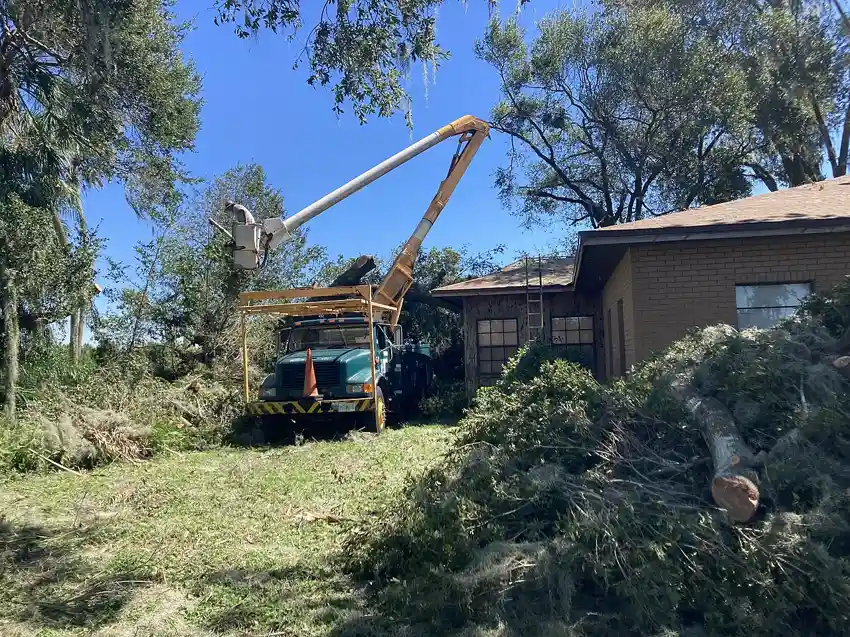
How Storm Damage Cleanup Works in Central
The full step-by-step process for this service - the reading, the scope, the work itself and follow-up - is laid out on the main Storm Damage Cleanup page. In Central the same sequence runs with the local map in hand: the canopy and ground around Sullivan Road and the Central Thruway corridor, the housing pattern described above, and the storm exposure this neighborhood actually carries.
The Central Angle
In Central, the job starts from the ground truth of the neighborhood - the blocks near Sullivan Road and the Central Thruway corridor, the age of the housing, and the canopy the streets carry. The buildings themselves give the first clues. Subdivisions mixed with acreage homes and wooded lots, many properties with native canopy kept at build-out.
Layer the canopy on top and the job defines itself. Central's lots kept their trees, which now means mature native canopy over homes that were built under it: oaks and pines at full size, root zones crossed by a decade of driveways and pools. The 2016 Comite flooding adds the flood-stress reading to the standard one - this is a community where the ground a tree stands in has a documented history. Done in that order, storm damage cleanup in Central stops being a recurring surprise and becomes a managed routine.
Central does not sit alone on the map. It weathers the same storms as Zachary, Baker and Denham Springs - the same cells cross the metro, the same trees age into the same systems, and the same seasons move through all of them within the same few weeks. Homes on these blocks share crews, routes and seasons - which is why a tree solved properly on one street tends to stay solved.
On the route map, Central sits in the city in east baton rouge parish group, ZIP 70818 - close enough to Zachary, Baker that crews work them on the same runs. Crews working a route learn its trees - the repeat offenders, the tired unions, the lots that fight drainage - and storm damage cleanup gets better every run.
The storm damage cleanup file for a home in Central tends to grow by accretion: a condition report here, a storm note there, a pruning record from three springs back. Keep them together. That folder - thin as it looks - is what the next visit and the next buyer both read first, and it makes every one of those conversations shorter.
Prevention That Helps in Central
- Keep a photo file of your trees in leaf - the 'before' that makes damage legible after.
- Replant with the storm in mind: right species, right distance, structural pruning from youth.
- Get shifted-root trees read even when they leaf out fine - root failure is patient.
Subdivisions mixed with acreage homes and wooded lots, many properties with native canopy kept at build-out.
Keep Exploring
Storm Damage Cleanup nearby:
- Storm Damage Cleanup in Zachary
- Storm Damage Cleanup in Baker
- Storm Damage Cleanup in Denham Springs
- Storm Damage Cleanup in North Baton Rouge
More services in Central:
- Emergency Tree Service in Central
- Crane-Assisted Tree Removal in Central
- Dead Tree Removal in Central
- Tree Services in Central
See the full tree services page for Central and the Storm Damage Cleanup overview for Baton Rouge.
Storm Damage Cleanup in Central - Questions
How soon after a storm should cleanup happen in Central?
Make-safe work - roofs, access, hangers - is immediate. The survivor reading and restoration can follow within days to weeks without harm, and in a big event they will. What should not wait a season is the reading itself: root shifts and splits found early are plans; found late, they are emergencies.
Whose responsibility is a neighbor's tree that fell into my Central yard?
The standard pattern: each property owner (and their insurer) handles the cleanup on their own side of the line, regardless of whose tree it was - with exceptions where documented neglect was reported before the fall. Photograph everything before it is moved, and let the written scope help both households.
What makes Storm Damage Cleanup different in Central than in the rest of Baton Rouge?
The trade is the same; the map is not. Central has its own housing pattern, its own tree canopy and its own ground - bluff side, river side, or flood-plain grid. Storm Damage Cleanup here is planned from those three, which is why this page exists separately from the citywide one.
A Tree Down, Leaning, or Dropping Limbs Over the Roof?
One call connects you with a tree professional serving Baton Rouge and the surrounding Capital Region communities - removal, trimming, stump grinding, storm cleanup and arborist care.
📞 Call Now