Tree Risk Assessment in Zachary
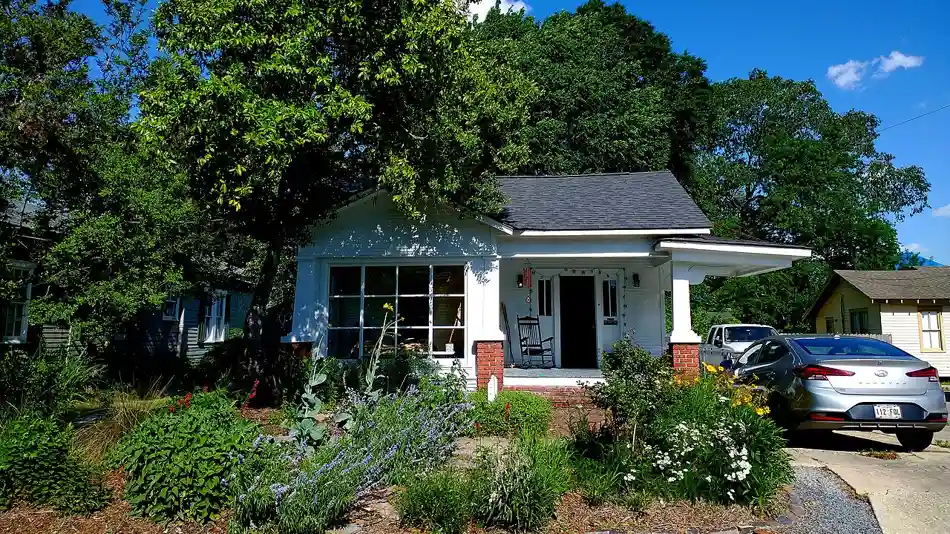
Zachary is the parish's northern small city - top-rated schools, a genuine Main Street, and a small-town canopy of oaks over older neighborhoods, with new subdivisions spreading at its edges.
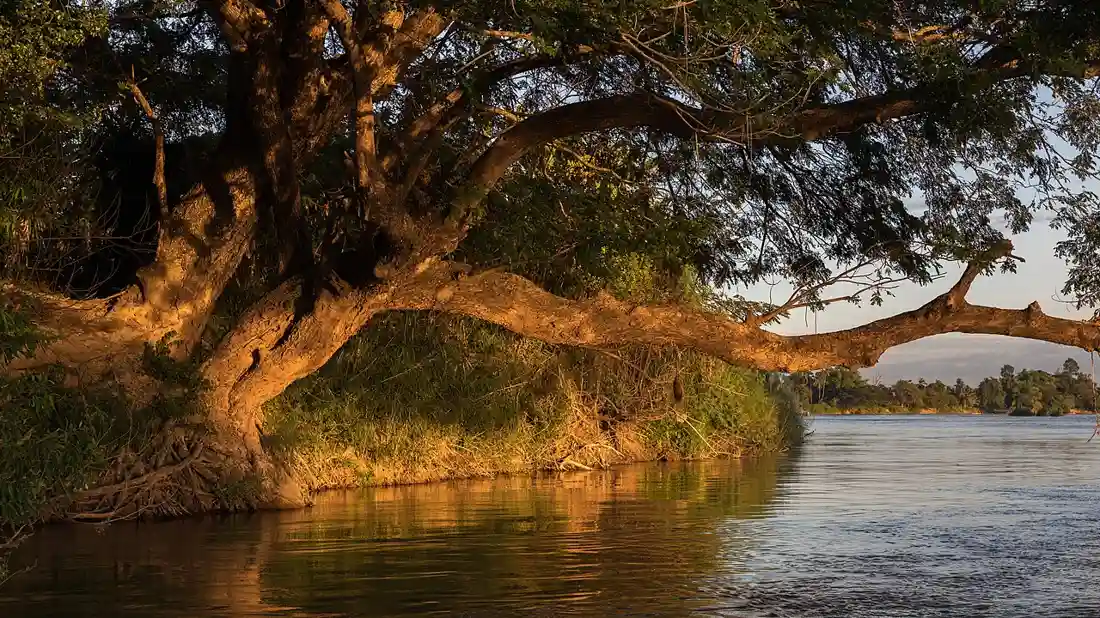
Tree risk assessment in Baton Rouge - a structured reading of likelihood and consequence for the trees over your roof: what could fail, how likely it is, what it would hit, and what to do about each tree.
The ground finishes the argument. The old city sits on loess bluffs above the Mississippi - the first high ground upriver from the Gulf - while the suburbs east and south spread across flat, heavy alluvial soils that saturate in the long rains. A saturated root plate in heavy soil lets go in wind that a dry-rooted tree would shrug off, which is why the same hurricane drops trees on one street and spares the next: soil and drainage are part of every tree's real condition here.
August 2016 taught the region what its water can do. When the Amite and Comite rivers rose, Denham Springs and the eastern parishes flooded street by street - and trees that stood in water for days came out of it stressed, root-damaged and slow to show it. Flood stress, drought stress (the dry fall of 2023 killed stressed trees across the region), lightning, and construction damage all write themselves into a tree years before the tree falls. Reading that handwriting early is most of what an arborist sells.
Consequence is half the risk equation, and a target-rich fall zone is what turns defects into deadlines.
Any one visible defect earns the tree a place on the assessment list; several together move it to the front.
The canopy is part of the property's real condition - a pre-sale assessment prices the risk honestly for both sides instead of leaving it as a surprise.
Coverage disputes, neighbor-tree questions and post-storm claims all run on documents. A qualified assessment is the document they are asking for.
New lean, lifted soil, a split you found in the cleanup - post-storm assessment converts worry into a keep, mitigate or remove decision with reasons.
Duty of care is a phrase with legal weight for property managers. A documented assessment cycle is how that duty is demonstrated, not just felt.
Baton Rouge's risk landscape is dominated by three facts: a heritage canopy of great age, a storm season that tests it every year, and clay-and-loess soils that saturate, shift and shrink across the calendar. Risk here is therefore not static - the same tree's likelihood genuinely changes between the dry autumn and the soaked September, and a local assessment says which season's tree it is judging.
The region's species carry distinct risk signatures the assessment reads fluently: the aging water oak's union decay, the laurel oak's short leash, the pine's uproot habit in saturated ground, the live oak's limb-shed pattern. A generic checklist misses these; a Capital Region assessment is written from them.
And the targets move too: the room addition under the oak, the pool built inside the pine's fall zone, the rental converted to a daycare. A risk assessment is dated for a reason - likelihood and consequence both drift, and the professional cycle re-reads the whole product every few years or whenever either side of it changes.
Spring is Baton Rouge's growth flush: live oaks drop and replace their leaves in a few March weeks, water oaks push out the canopy that shades the summer, and everything green in the city grows at its fastest rate of the year. It is also the honest inspection season - new growth shows exactly where last year's damage lives, dead branches stand bare against the new leaves, and a tree's real structure can be read before the summer canopy hides it and the hurricane season tests it.
Summer is the main event: hurricane season opens June 1, the afternoon thunderstorm cycle starts dropping lightning and microburst winds on the canopy, and saturated soils loosen root plates under full-leaf trees carrying their maximum wind load. Tree work in summer is triage and honesty - storm damage cleared safely, hangers and split limbs taken down before the next cell, and the deadwood and weak unions the storms exposed read as the warning they are.
Baton Rouge winters are mild and wet - long frontal rains that keep the low ground saturated for weeks, with the deciduous canopy bare enough to read completely. Winter is structure season for tree work: without leaves, weak unions, cracks, cavities and crossing limbs are all visible, pruning cuts heal at the right pace into spring, and the hurricane-season plan for each tree can be set before the growth flush buries the evidence again.
Formal risk assessment came to arboriculture from engineering's discipline: define the component, its failure modes, the loads it faces, the consequences of failure, and the mitigations ranked by effect per cost. Applied to a live oak, the method produces something intuition cannot - a defensible, dated, comparable judgment: this union, this likelihood, this target, this mitigation, this interval. Across a property or a portfolio, those judgments become a budget and a schedule instead of a collection of worries.
The assessment's most underrated output is permission to keep trees. Fear removes more sound heritage canopy than storms do, because fear cannot distinguish the defective tree from the merely large one. A written assessment that grades the beloved oak as sound-with-monitoring is a shield for that tree - against the anxious season, the persuasive door-knocker and the insurer's blanket letter alike. Risk work, done properly, saves as many trees as it condemns, and condemns with reasons instead of weather-vane certainty.
Choosing an assessor, independence is the credential that matters most: the report should be able to recommend nothing, monitoring, or removal with equal ease, because its product is the judgment itself. Ask for a sample report's structure - findings, ratings, mitigations, intervals - and expect photographs and measurements, not adjectives.
Baton Rouge grows its trees on Gulf weather: roughly five feet of rain a year, summers that run hot and saturated from May into October, and a canopy that never really goes dormant. Live oaks, water oaks, southern magnolias, pecans, loblolly pines and bald cypress all grow fast in this climate - faster than their root systems and wood strength sometimes deserve - and a fast-grown tree in a wet climate is a standing maintenance commitment, not a one-time planting decision.
The storm record is the second fact. Hurricane Gustav made a direct hit in 2008 and put much of the city in the dark for weeks under fallen trees; Isaac, Laura, Delta and Ida each took their own pass at the canopy, and every summer the afternoon thunderstorms and lightning do smaller versions of the same work. Baton Rouge tree care is therefore storm work on a schedule: the pruning, deadwood removal and risk reading that happen in the calm months decide what the violent hours find.
Species, size, structure and defects from the ground, with the site's targets mapped - buildings, lines, play areas, parking.
How probable is failure in the stated window, and what is struck if it happens - combined into a risk rating per tree, in writing.
Monitor, prune, cable, reduce, or remove - each recommendation tied to the defect evidence, with re-inspection intervals named.
The dated document: findings, photographs, ratings and recommendations - the record that the duty of care was exercised and the plan exists.
An assessment is a snapshot; these habits keep the picture current between reports:
The communities around Baton Rouge share its rain and its storms - with their own twists of flood ground, pine cover and heritage canopy.
Zachary is the parish's northern small city - top-rated schools, a genuine Main Street, and a small-town canopy of oaks over older neighborhoods, with new subdivisions spreading at its edges.
Baker is the parish's quiet northern city, a residential community of established neighborhoods off Plank Road and Groom Road, with Baton Rouge's industrial north at its southern edge.
Scotlandville is one of the city's oldest Black communities, wrapped around Southern University - the largest HBCU campus in the region, sitting on the bluff where Scotland Road meets the river. Heritage oaks shade both the campus and the surrounding streets.
North Baton Rouge is the city's industrial and historic working district - refinery and plant corridors along the river, and behind them some of the oldest residential streets in the parish, where maintenance backlogs and heritage canopy stand side by side.
In the intown core and the west side - Downtown Baton Rouge, Spanish Town, Beauregard Town, Garden District, Mid City and LSU & University Lakes, Southdowns, Burbank & Highland Road, Kenilworth, Goodwood - the canopy runs from Baton Rouge's oldest heritage oaks to the mature subdivision plantings, and tree risk assessment follows it: deep shade and old structure on the historic streets, storm exposure along the river side, and heritage trees that ask for arborist hands.
Across the growth sides and the east - Tara, Broadmoor, Sherwood Forest, Jefferson Terrace, Essen & Medical District, Bocage and Bluebonnet, Shenandoah, Old Jefferson, Denham Springs, Prairieville, Central - sit the postwar and newer subdivision waves, the region's heaviest water-oak cohort and its fastest-growing young canopy, which together make this the steadiest tree risk assessment territory in the metro.
Beyond the city line, the same work runs in Zachary, Baker, Scotlandville, North Baton Rouge, Port Allen, Brusly & Addis - small cities, fast-growing suburbs and flood-plain communities where wooded lots, saturated ground and storm history add their own chapters. Every one of these area pages carries the local detail for tree risk assessment in that community.
Every area we serve has its own Tree Risk Assessment page with local detail.
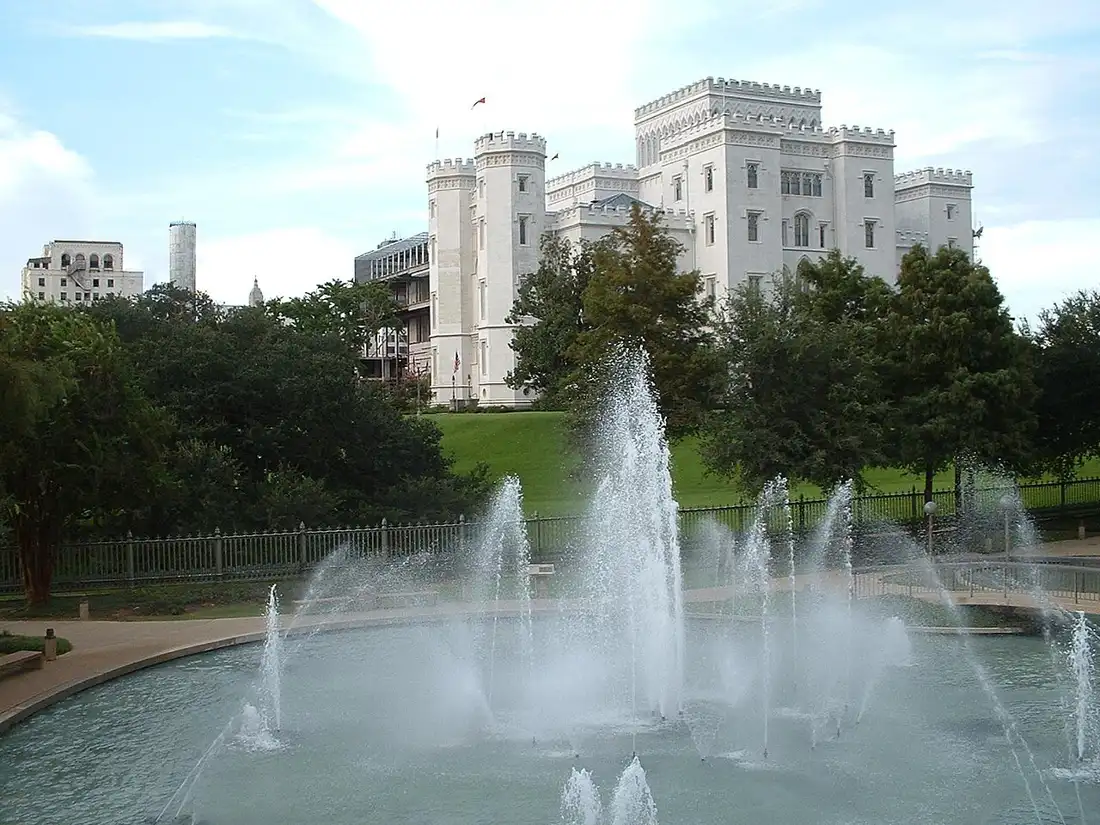 Downtown Baton Rouge
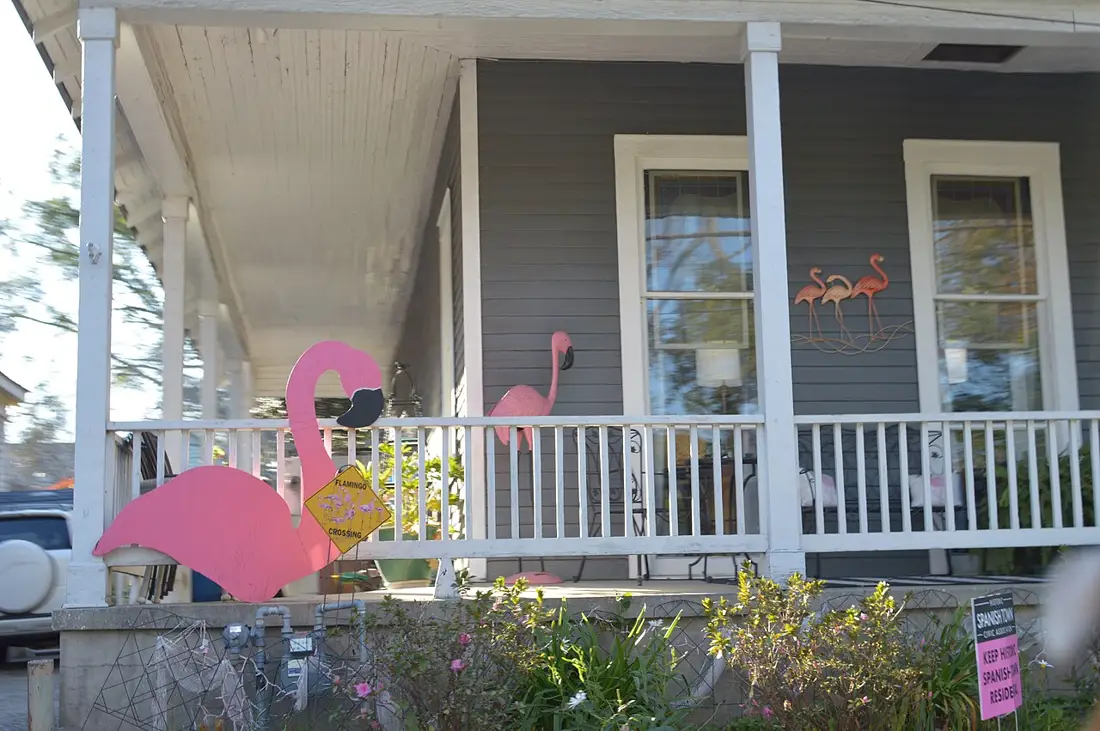 Spanish Town
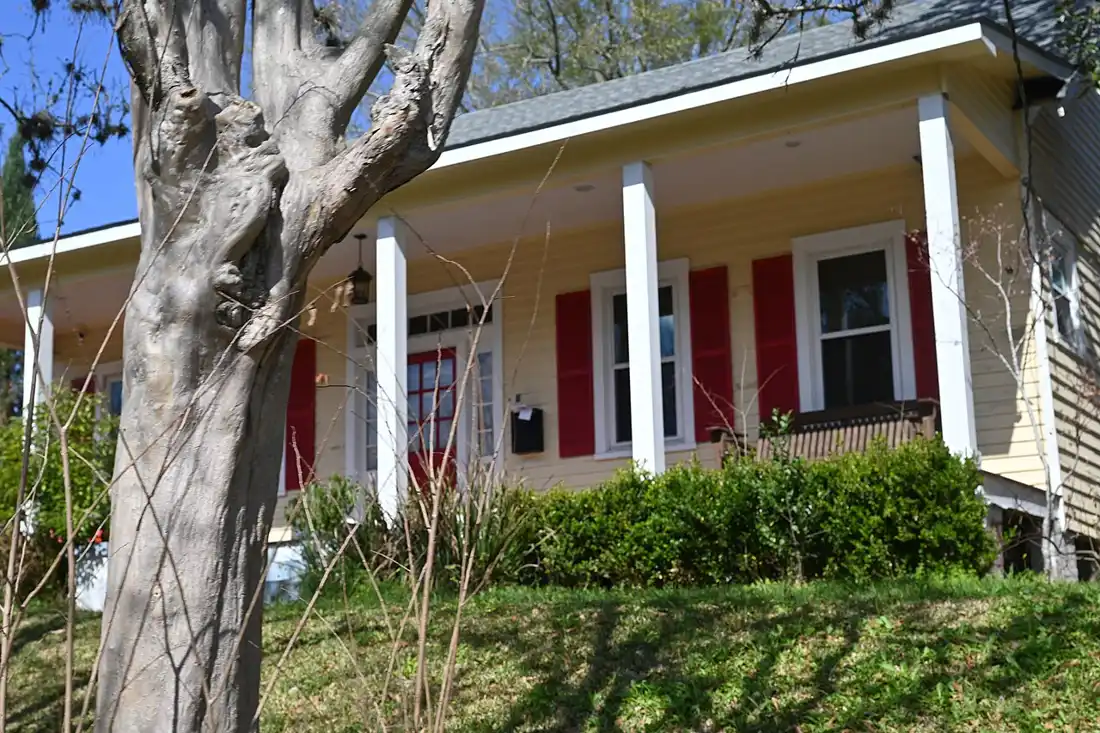 Beauregard Town
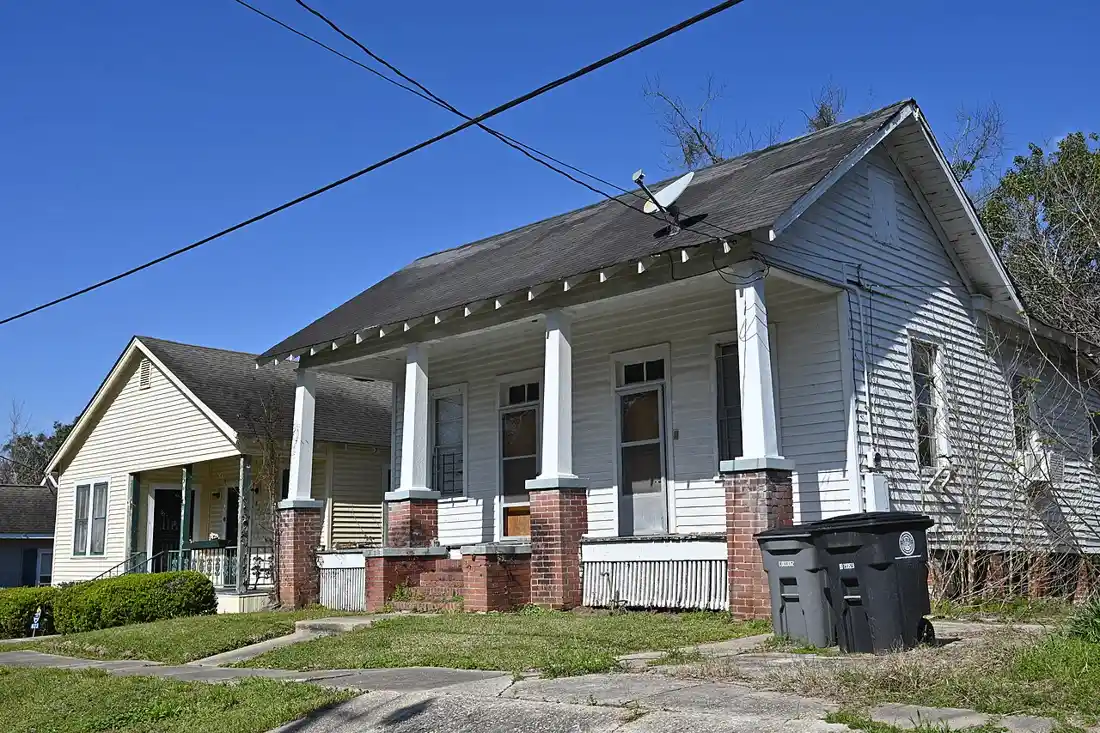 Garden District
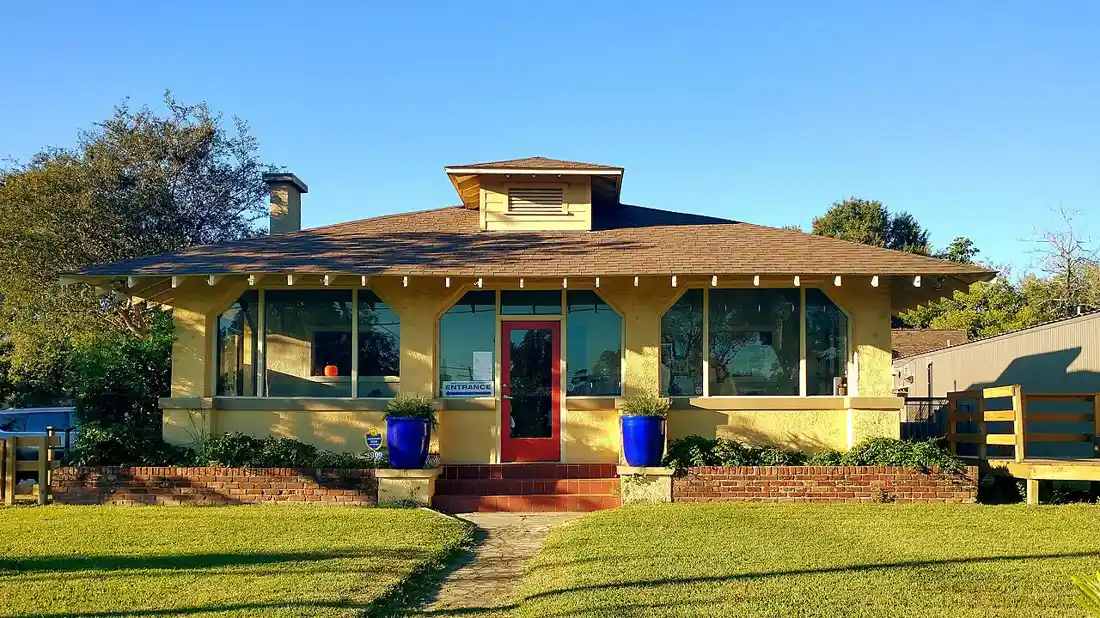 Mid City
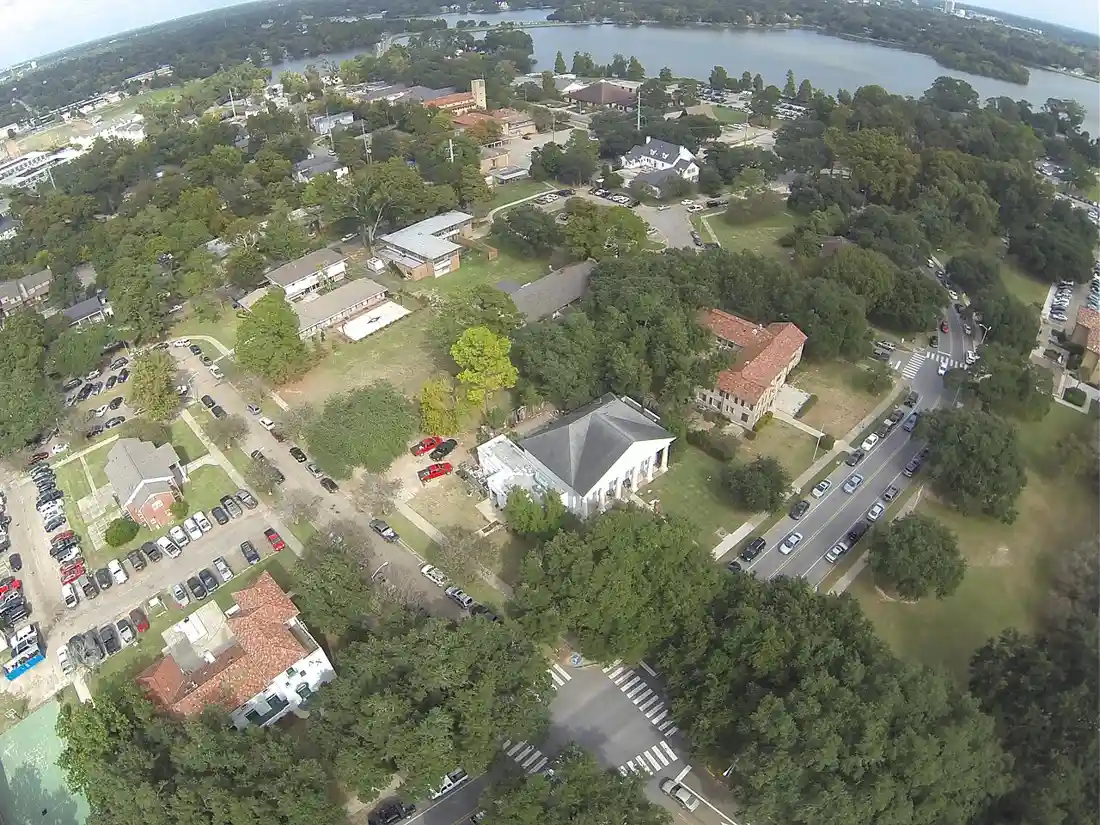 LSU & University Lakes
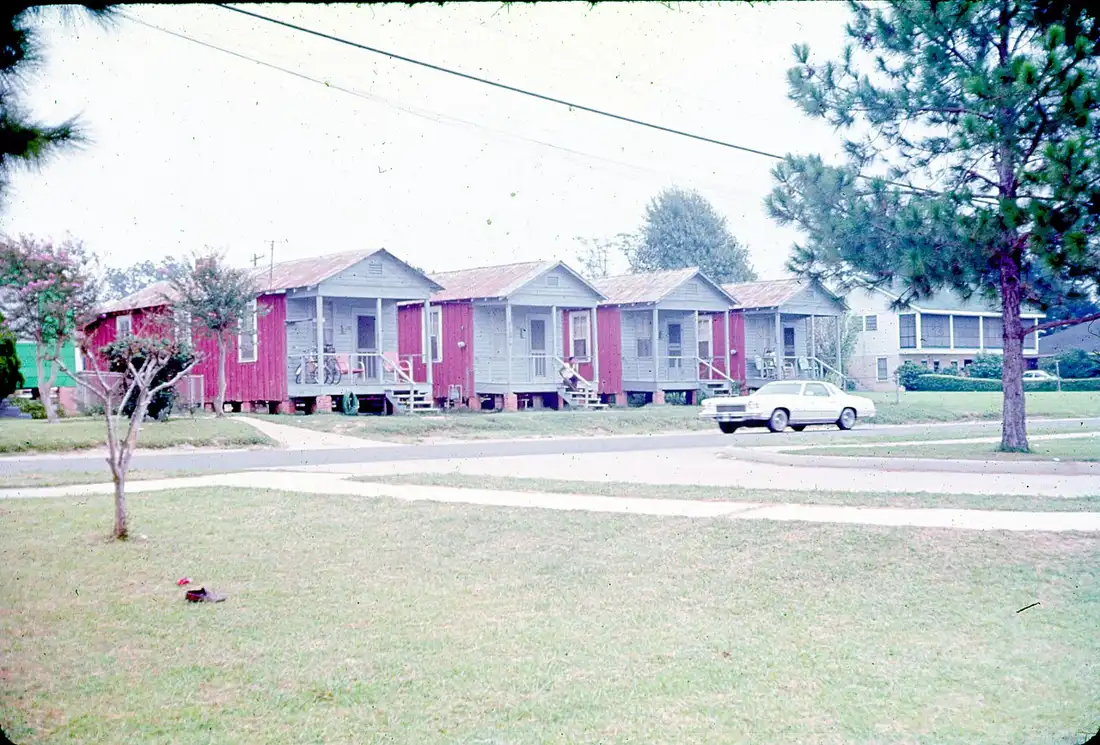 Southdowns
 Burbank & Highland Road
Tree Risk Assessment runs across the whole service map: Downtown Baton Rouge, Spanish Town, Beauregard Town, the Garden District, Mid City, LSU & the Lakes, Southdowns, Kenilworth, Goodwood and Tara; Broadmoor, Sherwood Forest, Jefferson Terrace, the Medical District, Bocage and Bluebonnet; Shenandoah and Old Jefferson to the east; and beyond in Denham Springs, Prairieville, Central, Zachary, Baker, Scotlandville, Port Allen and Brusly-Addis. One call covers all of it - the local pages above carry the detail for each. If your street is not named here, call anyway: routes grow with demand, and most East Baton Rouge, Livingston and Ascension Parish addresses are already within reach of a scheduled run.
A thinning tree might be stressed and saveable - or dying on the inside while the crown still looks passable. Read the evidence in order: crown dieback pattern, bark and trunk clues, fungal fruiting, root-zone history, and how fast the changes are moving.
Read the GuideHomeowners oscillate between ignoring tree symptoms for years and panicking over harmless ones in a weekend. Symptoms sort into three honest tiers - monitor it, book it, and clear the area now - by what they predict and how fast they move.
Read the GuideA crew offers to 'top' or 'hat-rack' your oak so it survives hurricane season - and it sounds like protection. Topping is the opposite: it destroys structure, invites decay, and regrows a crown of weakly attached sprouts that fails worse in the next storm.
Read the GuideStandardized language - improbable, possible, probable, imminent - each tied to the stated window (typically one to three years under normal weather) and to normal conditions. A separate judgment covers storm conditions, because in Baton Rouge the honest report says plainly: this tree is a 'possible' in a normal year and a different number in a hurricane, and here is what closes that gap.
Tools that see inside the trunk. A resistance drill pushes a hair-thin bit through the wood and graphs density - sound wood resists, decay does not. Tomography maps sound velocity across a cross-section to draw the cavity. Both turn 'there is a hollow' into 'there is this much shell left,' which is the number structural decisions should be made from.
It can be honest and still be overtaken - trees are living, changing structures in a violent climate, and assessment is probability, not prophecy. That is why reports carry windows and intervals rather than verdicts forever. What a good assessment promises is process: the defects were looked for properly, the evidence was weighed openly, and the recommendations followed from both.
Yours, fully. A neighbor's tree can be observed from your side of the line and the observations documented - which matters: where a hazardous tree's owner has been notified in writing, the liability conversation changes. The assessment report gives you the evidence and the language for that notification, delivered as neighbors should: with the document, and without the drama.
A written, dated report: each assessed tree's species, condition and defects; its likelihood of failure within a stated window; the targets in its fall zone; a risk rating; and a mitigation recommendation with timing. It is part diagnosis, part plan, part legal record - and it is what insurers and courts mean when they ask whether the tree was 'known to be dangerous.'
No - it means the risk must come down, and removal is only one route. Pruning reduces sail and removes the defective part; cabling supports a weak union; moving the target (the playset, the parking) cuts consequence to near zero. Removal is the recommendation when the defect is in the trunk or roots and no mitigation reaches the rating the tree's targets demand.
Purpose and product. A quote visit prices work. An assessment produces an independent written evaluation - including, often, the recommendation to do nothing but monitor. The report is the deliverable, and its independence is its value: the same document serves your insurer, your buyer and your own conscience.
At purchase, when mature trees stand near the house; after the first storm that changes a tree; when a defect is first noticed; and whenever a tree's target changes - the new pool, the added bedroom, the rented room. In hurricane country, 'when we bought the house, and every few years since' is the rhythm that keeps risk a managed number rather than an event.
One call connects you with a tree professional serving Baton Rouge and the surrounding Capital Region communities - removal, trimming, stump grinding, storm cleanup and arborist care.
📞 Call Now