Crane-Assisted Tree Removal in Zachary
Zachary is the parish's northern small city - top-rated schools, a genuine Main Street, and a small-town canopy of oaks over older neighborhoods, with new subdivisions spreading at its edges.
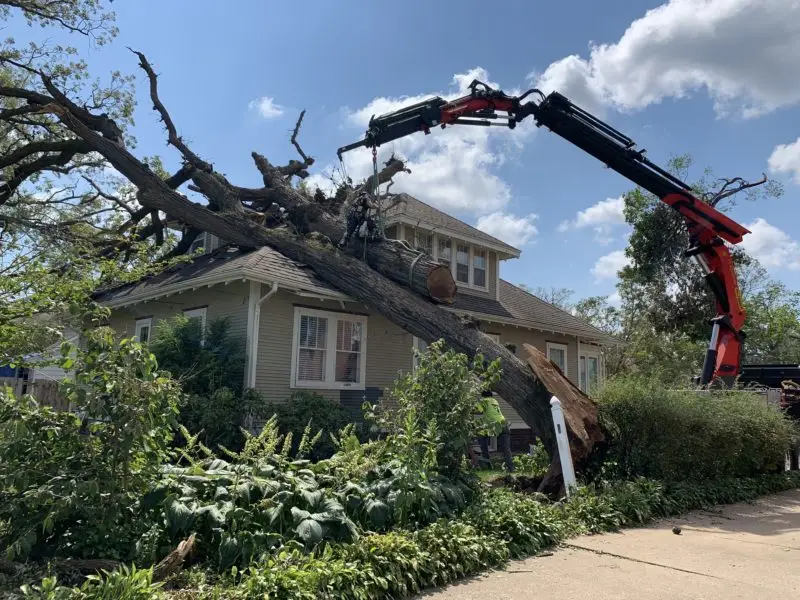
Crane tree removal in Baton Rouge - whole sections lifted clear of roofs, pools and tight yards by crane while a climber cuts, the method for trees too dangerous to climb or too heavy to rig.
The ground finishes the argument. The old city sits on loess bluffs above the Mississippi - the first high ground upriver from the Gulf - while the suburbs east and south spread across flat, heavy alluvial soils that saturate in the long rains. A saturated root plate in heavy soil lets go in wind that a dry-rooted tree would shrug off, which is why the same hurricane drops trees on one street and spares the next: soil and drainage are part of every tree's real condition here.
August 2016 taught the region what its water can do. When the Amite and Comite rivers rose, Denham Springs and the eastern parishes flooded street by street - and trees that stood in water for days came out of it stressed, root-damaged and slow to show it. Flood stress, drought stress (the dry fall of 2023 killed stressed trees across the region), lightning, and construction damage all write themselves into a tree years before the tree falls. Reading that handwriting early is most of what an arborist sells.
Advanced trunk rot, a dead brittle crown, storm-shattered structure - when the tree cannot hold a climber, the crane holds the pieces instead.
Big oak wood over a roof reaches weights where rope systems and human arms are the wrong tools. The crane's capacity redraws what 'a section' can be.
Where every direction below is roof, pool, glass or lines, vertical removal is not a luxury - it is the only geometry that works.
Trees caught in other trees, split and sprung, resting on structures - the crane takes the load before anyone cuts the support away.
A dangerous tree over an occupied house, with weather coming: a crane day clears in hours what piecemeal methods take days to make safe.
Lifting pieces out whole protects lawns, beds and hardscapes that a hundred rigged landings would batter - a gentler footprint under a heavier machine.
Baton Rouge's housing stock makes crane work a regular line item rather than an exotic one: mature oaks planted at the corners of mid-century houses now overhang entire roof planes, and the yards between fences measure in feet. Add the region's decay speed - a water oak can go from sound to unclimbable inside a few seasons - and the crane becomes the standard answer to a standard local problem.
Ground and access write the feasibility half. Cranes need a setup pad that can carry serious weight - a street, a driveway, solid ground - and saturated Baton Rouge soil narrows those options in the wet months. Overhead lines at the street, trees between the pad and the target, and the reach arithmetic all get settled on the site visit, before anyone promises a crane day.
Storm weeks change the crane's role entirely: it becomes the region's triage tool, moving from roof to roof lifting trees off houses while climbing crews handle what can still be climbed. Owners of known-risk trees who have a crane assessment on file before the season are the ones whose roofs get cleared first when the queue forms.
Baton Rouge winters are mild and wet - long frontal rains that keep the low ground saturated for weeks, with the deciduous canopy bare enough to read completely. Winter is structure season for tree work: without leaves, weak unions, cracks, cavities and crossing limbs are all visible, pruning cuts heal at the right pace into spring, and the hurricane-season plan for each tree can be set before the growth flush buries the evidence again.
Summer is the main event: hurricane season opens June 1, the afternoon thunderstorm cycle starts dropping lightning and microburst winds on the canopy, and saturated soils loosen root plates under full-leaf trees carrying their maximum wind load. Tree work in summer is triage and honesty - storm damage cleared safely, hangers and split limbs taken down before the next cell, and the deadwood and weak unions the storms exposed read as the warning they are.
Spring is Baton Rouge's growth flush: live oaks drop and replace their leaves in a few March weeks, water oaks push out the canopy that shades the summer, and everything green in the city grows at its fastest rate of the year. It is also the honest inspection season - new growth shows exactly where last year's damage lives, dead branches stand bare against the new leaves, and a tree's real structure can be read before the summer canopy hides it and the hurricane season tests it.
The crane changes removal's central problem from controlling a fall to scheduling a series of lifts, and with it the risk profile of the entire job. The tree's own strength stops mattering - a punky trunk that could never hold a climber is simply cut into pieces that hang from steel instead. What replaces tree-risk is lift discipline: weights estimated conservatively, radii respected, wind limits honored, and a crew choreography rehearsed in signals before the first pick. The method's safety record comes from that substitution of arithmetic for courage.
There is a preservation dividend, too. A crane extraction lifts the tree out of the garden instead of down through it: the bed under the oak, the fence, the pool coping and the neighbor's roof all experience the removal as an absence rather than an event. On the region's tightest lots - the Garden District courtyards, the old lots subdivided to their lines - the crane is frequently the only method whose footprint the property can actually accept.
Choosing crane help, verify the partnership: the tree crew and the crane should arrive as one coordinated operation with one lift plan and one insurance picture, not as two strangers introduced on your driveway. Ask who estimates piece weights and who owns the signal system. Unified answers are the sound of a crew that does this weekly.
Baton Rouge grows its trees on Gulf weather: roughly five feet of rain a year, summers that run hot and saturated from May into October, and a canopy that never really goes dormant. Live oaks, water oaks, southern magnolias, pecans, loblolly pines and bald cypress all grow fast in this climate - faster than their root systems and wood strength sometimes deserve - and a fast-grown tree in a wet climate is a standing maintenance commitment, not a one-time planting decision.
The storm record is the second fact. Hurricane Gustav made a direct hit in 2008 and put much of the city in the dark for weeks under fallen trees; Isaac, Laura, Delta and Ida each took their own pass at the canopy, and every summer the afternoon thunderstorms and lightning do smaller versions of the same work. Baton Rouge tree care is therefore storm work on a schedule: the pruning, deadwood removal and risk reading that happen in the calm months decide what the violent hours find.
Tree condition, piece weights, crane reach and capacity, setup pad, overhead clearance and the lift path over the house - all measured, none assumed.
Outriggers on pads, load charts checked against the heaviest planned pick, and the climber-operator communication system tested before the first cut.
Each piece is slung, tensioned, cut and lifted clear - the climber never works under a load, and no load moves until the call is made.
Pieces land in the work zone for cutting and hauling; the stump is ground as chosen and the site left as the scope promised.
Crane days run on preparation. What the owner can do to make the lift plan simple and the day short:
The communities around Baton Rouge share its rain and its storms - with their own twists of flood ground, pine cover and heritage canopy.
Zachary is the parish's northern small city - top-rated schools, a genuine Main Street, and a small-town canopy of oaks over older neighborhoods, with new subdivisions spreading at its edges.
Baker is the parish's quiet northern city, a residential community of established neighborhoods off Plank Road and Groom Road, with Baton Rouge's industrial north at its southern edge.
Scotlandville is one of the city's oldest Black communities, wrapped around Southern University - the largest HBCU campus in the region, sitting on the bluff where Scotland Road meets the river. Heritage oaks shade both the campus and the surrounding streets.
North Baton Rouge is the city's industrial and historic working district - refinery and plant corridors along the river, and behind them some of the oldest residential streets in the parish, where maintenance backlogs and heritage canopy stand side by side.
In the intown core and the west side - Downtown Baton Rouge, Spanish Town, Beauregard Town, Garden District, Mid City and LSU & University Lakes, Southdowns, Burbank & Highland Road, Kenilworth, Goodwood - the canopy runs from Baton Rouge's oldest heritage oaks to the mature subdivision plantings, and crane-assisted tree removal follows it: deep shade and old structure on the historic streets, storm exposure along the river side, and heritage trees that ask for arborist hands.
Across the growth sides and the east - Tara, Broadmoor, Sherwood Forest, Jefferson Terrace, Essen & Medical District, Bocage and Bluebonnet, Shenandoah, Old Jefferson, Denham Springs, Prairieville, Central - sit the postwar and newer subdivision waves, the region's heaviest water-oak cohort and its fastest-growing young canopy, which together make this the steadiest crane-assisted tree removal territory in the metro.
Beyond the city line, the same work runs in Zachary, Baker, Scotlandville, North Baton Rouge, Port Allen, Brusly & Addis - small cities, fast-growing suburbs and flood-plain communities where wooded lots, saturated ground and storm history add their own chapters. Every one of these area pages carries the local detail for crane-assisted tree removal in that community.
Every area we serve has its own Crane-Assisted Tree Removal page with local detail.
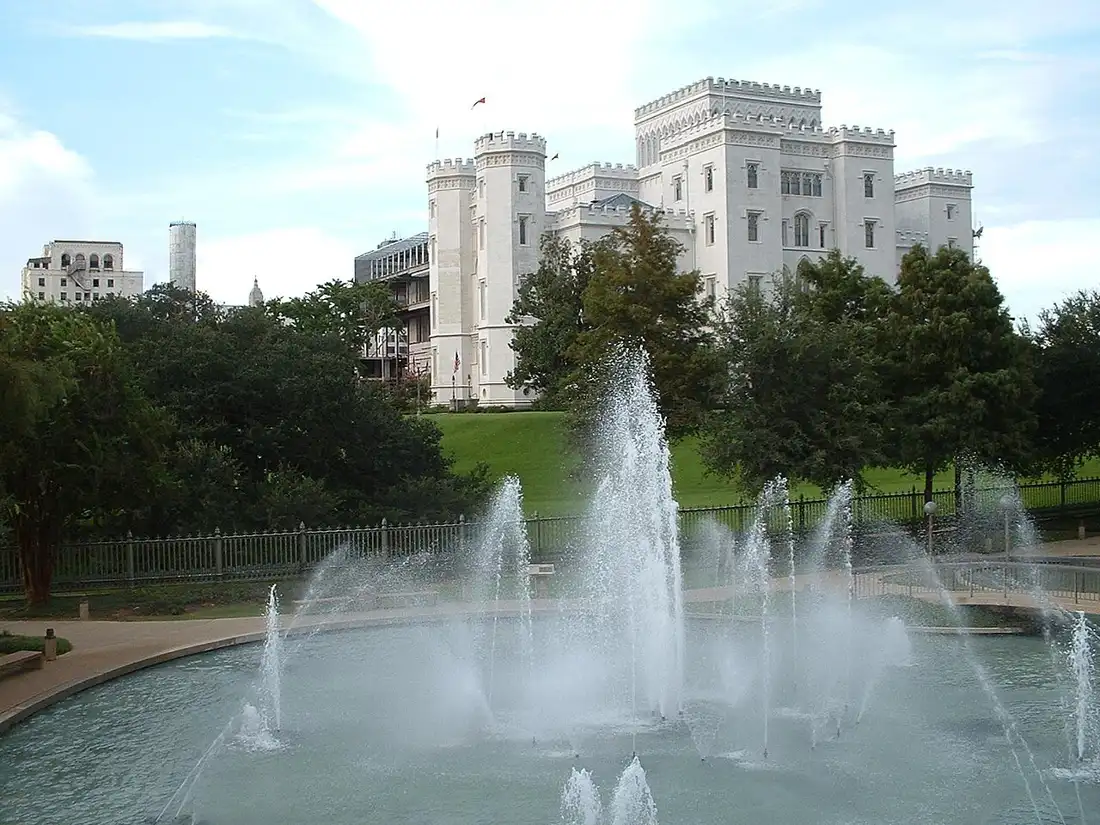 Downtown Baton Rouge
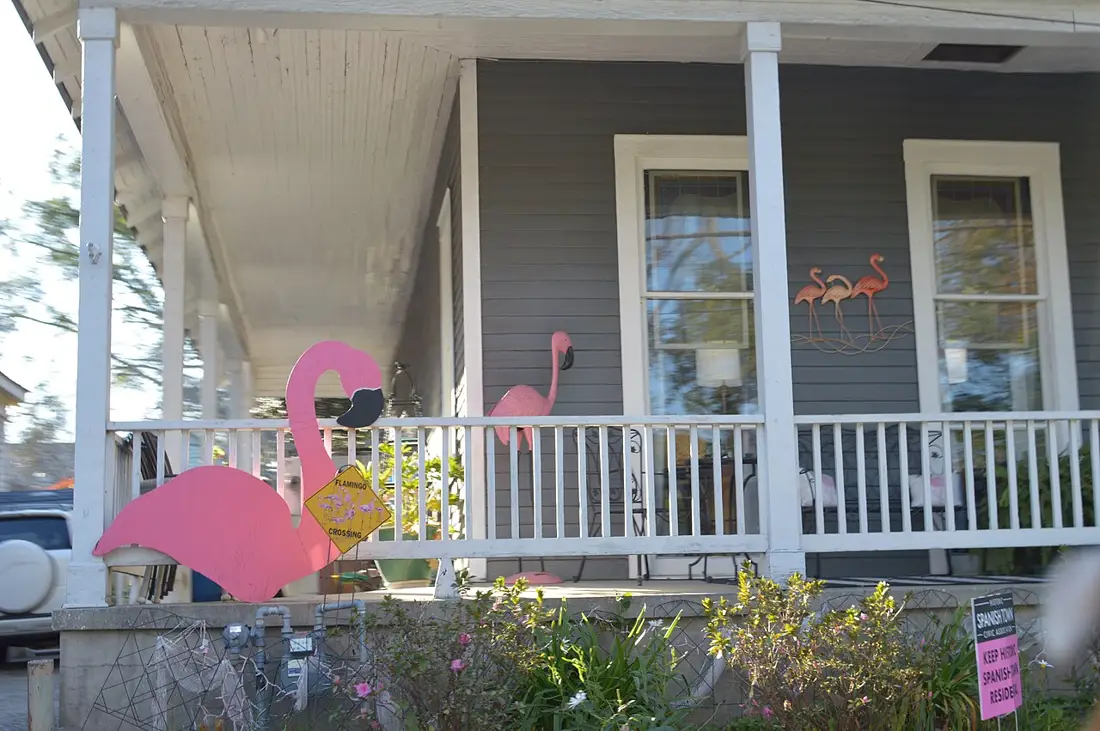 Spanish Town
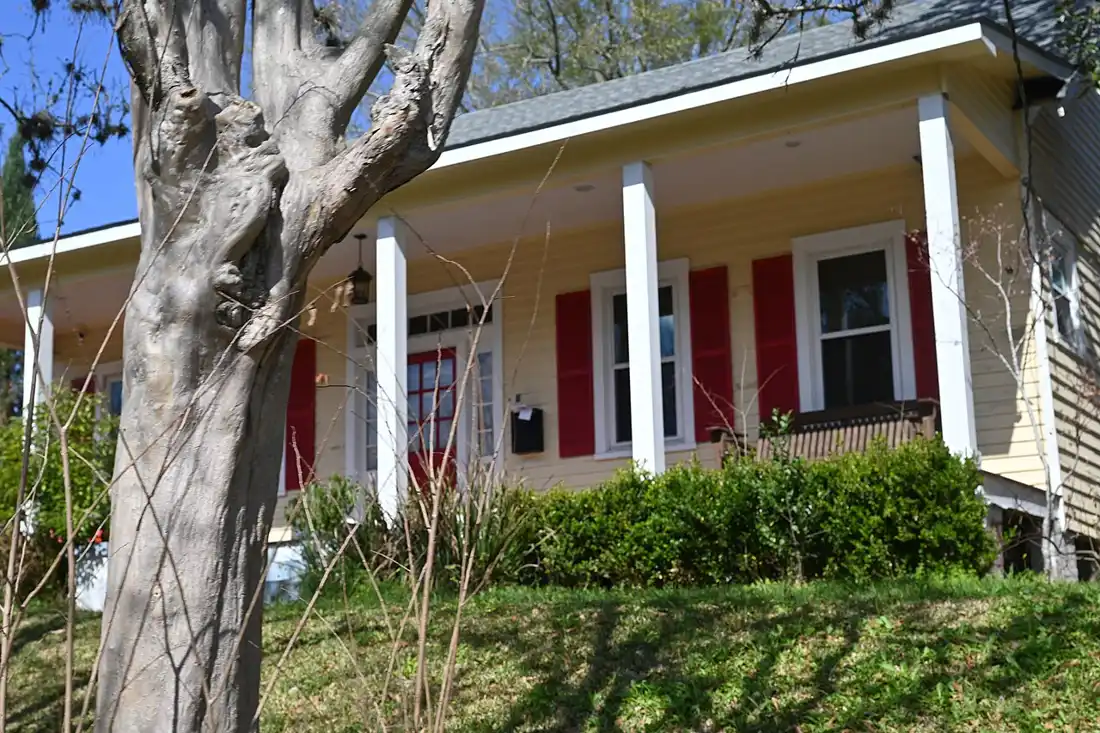 Beauregard Town
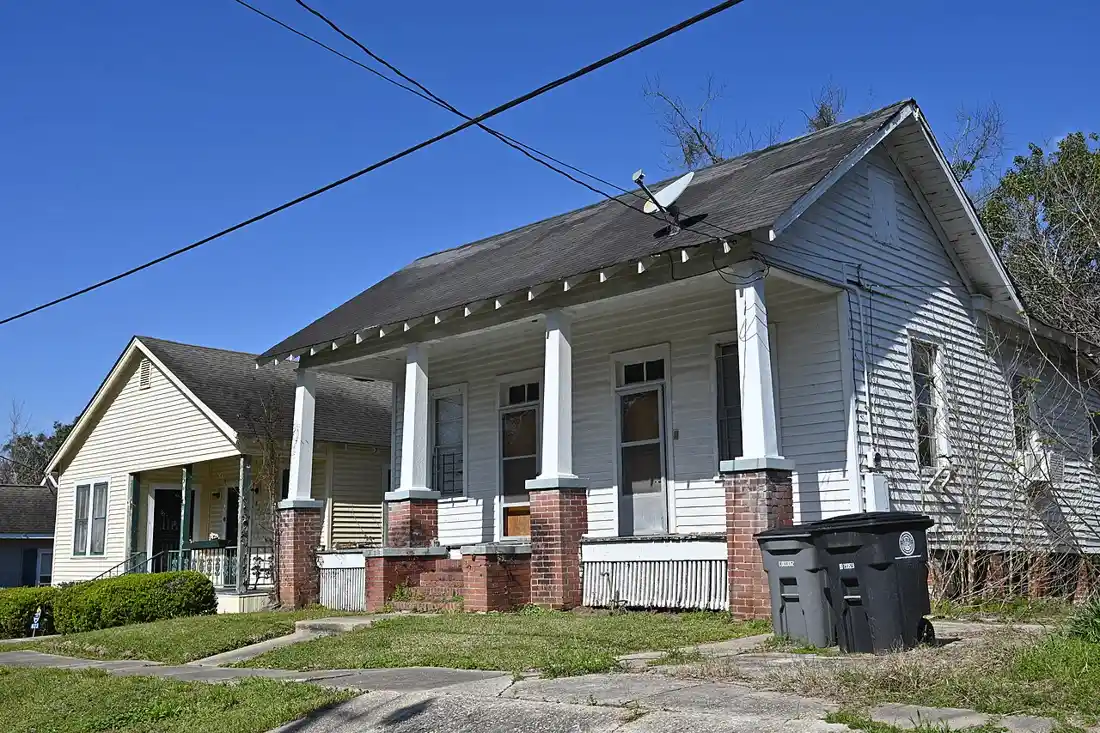 Garden District
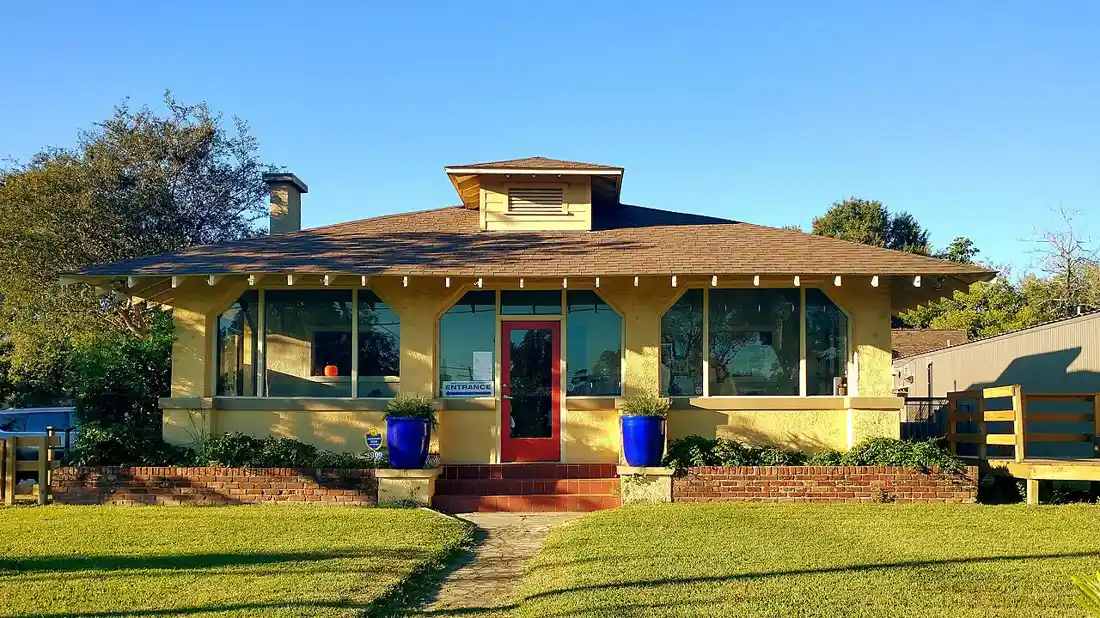 Mid City
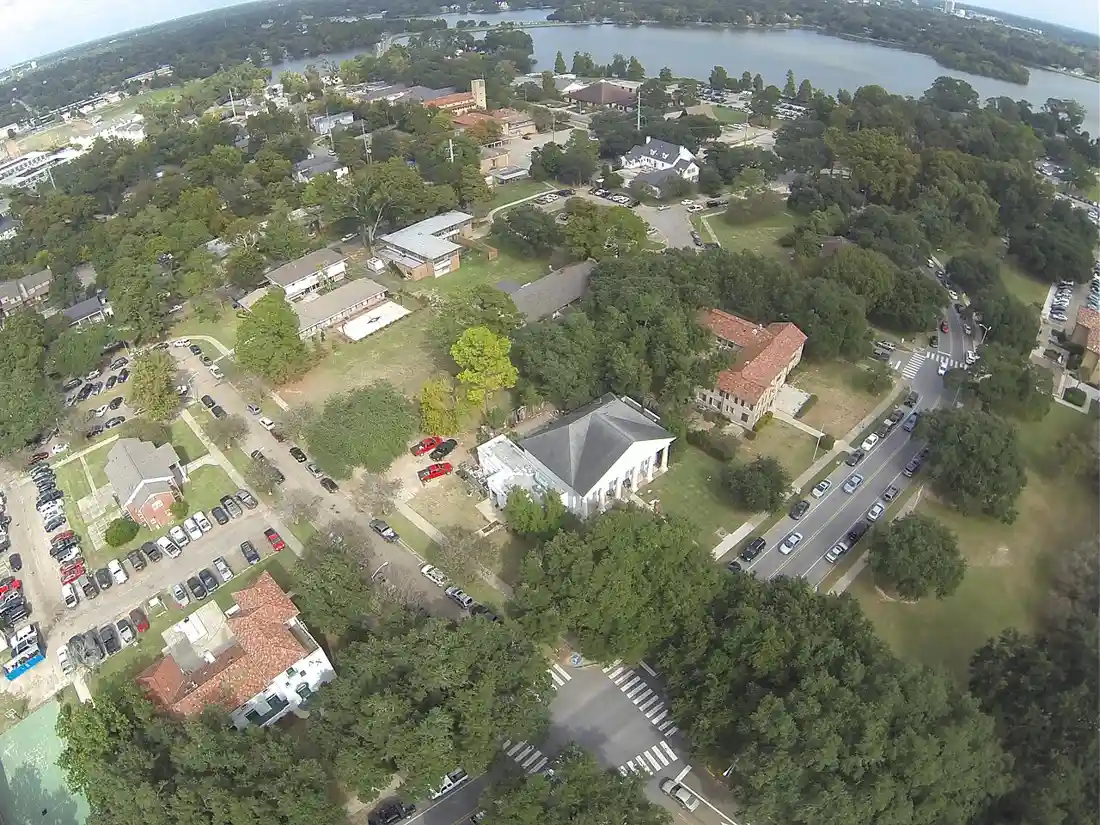 LSU & University Lakes
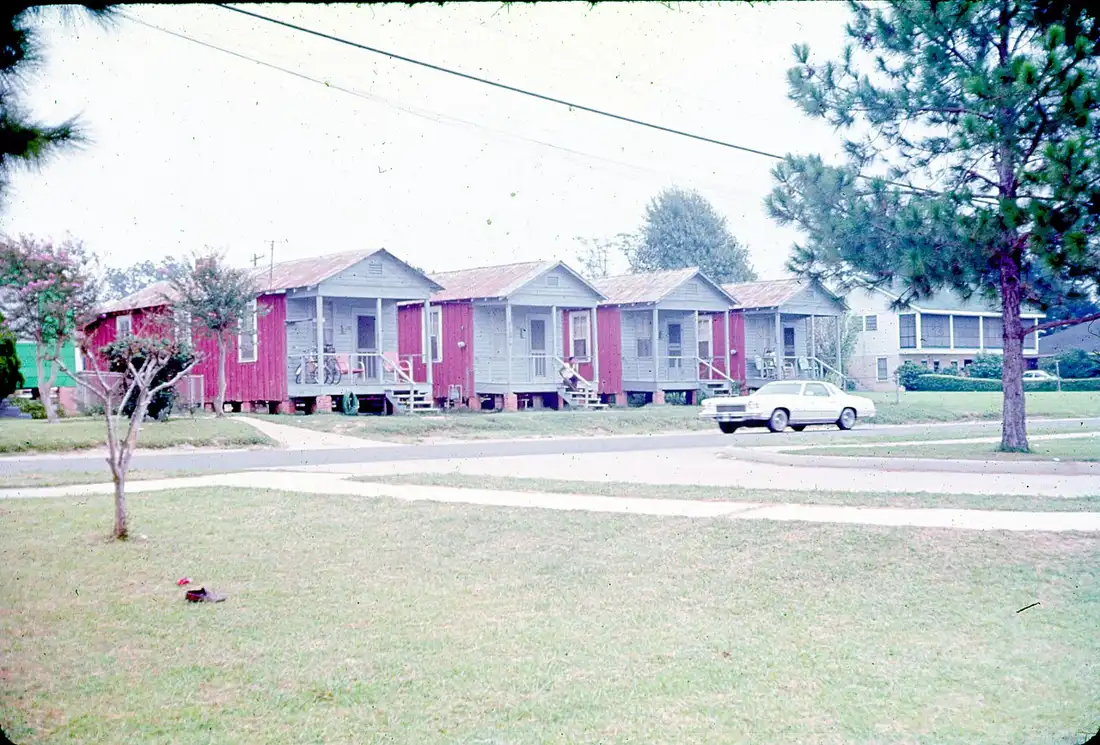 Southdowns
 Burbank & Highland Road
Crane-Assisted Tree Removal runs across the whole service map: Downtown Baton Rouge, Spanish Town, Beauregard Town, the Garden District, Mid City, LSU & the Lakes, Southdowns, Kenilworth, Goodwood and Tara; Broadmoor, Sherwood Forest, Jefferson Terrace, the Medical District, Bocage and Bluebonnet; Shenandoah and Old Jefferson to the east; and beyond in Denham Springs, Prairieville, Central, Zachary, Baker, Scotlandville, Port Allen and Brusly-Addis. One call covers all of it - the local pages above carry the detail for each. If your street is not named here, call anyway: routes grow with demand, and most East Baton Rouge, Livingston and Ascension Parish addresses are already within reach of a scheduled run.
Trees meet hurricane season exactly as they are - every defect they grew all year is the defect the storm grades. Prepare in spring: a professional reading, structural pruning done early, hangers and deadwood down, and a photo file of every tree and the roof.
Read the GuideA crew offers to 'top' or 'hat-rack' your oak so it survives hurricane season - and it sounds like protection. Topping is the opposite: it destroys structure, invites decay, and regrows a crown of weakly attached sprouts that fails worse in the next storm.
Read the GuideThe tree is gone and the stump remains - and the two ways of dealing with it are constantly confused. Grinding shreds the stump and flared roots below grade in place; full removal excavates the whole stump and root ball. Most yards need grinding; construction and disease change the answer.
Read the GuideIt depends on the crane and, critically, the reach - capacity falls steeply as the boom extends. Green oak wood runs around sixty pounds per cubic foot, so a ten-foot trunk section three feet thick is a multi-ton pick. Professional crews calculate each pick against the load chart at the working radius; that arithmetic is the quiet core of the whole method.
Crews work post-storm routinely - that is peak demand - but wind limits, lightning stand-downs and ground conditions govern the day. Saturated setup ground is the most common Baton Rouge constraint: a crane that cannot set safely cannot lift, and honest operators say so rather than rut a yard into a pond finding out.
A compact tracked lift that fits through gates and works on softer ground, carrying the cutter in a basket. It replaces climbing on trees that cannot be trusted and reaches many backyard trees no crane can see. Between climber, spider lift and crane, the assessment picks the platform the tree's condition and the yard's geometry allow.
As scoped: the crane's job ends with the tree down and landed; processing, hauling and stump grinding are the ground crew's lines in the same written scope. Confirm the full list - sections hauled, stump ground, yard condition - before the day, so the crane's departure is not the job's surprise ending.
When the tree cannot be climbed safely, when pieces over a target are too heavy to rig, or when there is no acceptable drop or landing zone under the tree. Many removals merely benefit from a crane; the necessary cases are the ones where the alternative methods' risks are structural, not incidental - and the assessment names which case yours is.
A setup position - street, driveway or firm ground - within reach of the tree, overhead room for the boom, and ground that can carry the machine on outrigger pads. The site visit verifies all three. Tight lots sometimes use smaller cranes or spider lifts; the point of the assessment is matching machine to geometry.
Usually the opposite. Pieces leave vertically to one landing zone instead of landing across the yard all day, so lawns and beds outside the work zone see little traffic. The setup pad takes real weight - pads and mats spread it - and the scope should state plainly what the drive and ground will look like after.
Because the quote is the lift plan's shadow: reach determines crane size, piece weights determine picks, and access determines setup time. An honest crane quote follows a visit; a phone quote for crane work is a guess wearing a number, and the day itself will correct it at your expense.
One call connects you with a tree professional serving Baton Rouge and the surrounding Capital Region communities - removal, trimming, stump grinding, storm cleanup and arborist care.
📞 Call Now